
ARTIKEL
Kehidupan yang sehat dimulai dengan pemeriksaan rutin.

- Rumah
- Artikel
- Dokter hewan
- Diabetic Ketoacidosis in Cats Treatment and Prevention Guide
Diabetic Ketoacidosis in Cats Treatment and Prevention Guide
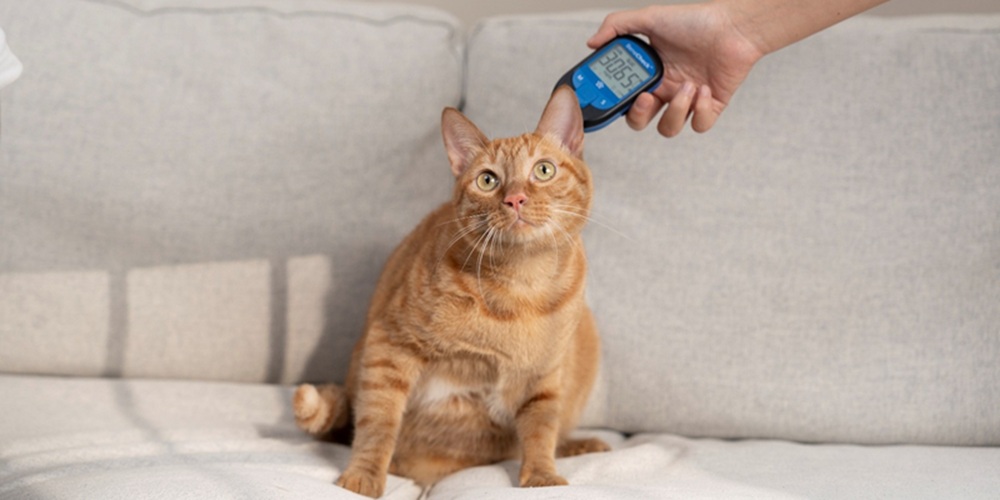
When a cat is diagnosed with diabetes, owners will inevitably feel anxious and worried, especially regarding "diabetic ketoacidosis in cats". Not only does it develop rapidly, but it also requires careful follow-up care to stabilize the condition. This article explains the pathogenesis and symptoms of ketoacidosis to help owners make correct judgments in critical moments and subsequently stabilize their beloved cat's condition through meticulous home care and monitoring.
What Is Diabetic Ketoacidosis in Cats?
Feline diabetes is primarily type 2 diabetes, characterized by body cells becoming resistant to insulin, or insufficient insulin secretion by the pancreas. The role of insulin is to transport glucose from blood into cells to be converted into energy; when a cat lacks insulin, its cells enter a state of starvation.
To maintain life functions, the body begins to break down its own fat and muscle in large quantities to obtain energy. During this metabolic process, the liver produces excessive acidic byproducts called "ketones". When ketones accumulate in the bloodstream, they disrupt the body's acid-base balance, triggering diabetic ketoacidosis in cats, leading to gradual organ deterioration and failure.
〈Related Articles: What Are the Symptoms of Diabetic Ketoacidosis in Dogs? Learn How to Monitor Your Dog’s Health Daily.〉
Middle-Aged and Senior Cats at Higher Risk for Feline Diabetes
Feline diabetes commonly occurs in middle-aged and senior cats. If your beloved cat meets the following few conditions, the probability of developing feline diabetic ketoacidosis will be much higher than that of average cats. One should pay special attention to the physiological changes in these high-risk groups.
Comparison Table of High-Risk Groups for Diabetic Ketoacidosis in Cats
| High-Risk Groups | Risk Factors |
|---|---|
| Obese Cats | Obesity is the primary cause of insulin resistance; the risk of disease in overweight cats is 3 to 4 times that of normal-weight cats. |
| Middle-aged and Senior Cats | Most diagnosis ages fall above 7 years, with 10 to 13 years being the peak period for onset. |
| Neutered Male Cats | The incidence rate in neutered male cats is significantly higher than in female cats, approximately twice as high. |
| Specific Breeds | Breeds such as Burmese, Russian Blue, and Abyssinian cats have a higher genetic risk of diabetes. |
| Long-term Medication or Endocrine Diseases | Cats on long-term steroid medication, or those suffering from hyperthyroidism, chronic pancreatitis, or Cushing's syndrome. |
What Are the Symptoms of Diabetic Ketoacidosis in Cats? Monitor Your Cat’s Health Daily
Diabetic ketoacidosis in cats is a progressive disease process; owners must learn to identify physiological symptoms at different stages. Timely detection of abnormalities and treatment can prevent the condition from worsening.
Early Symptoms of Diabetes in Cats
Early symptoms of diabetes can be broadly categorized as Three “Polys” and One “Less”: polyphagia (eating more), polydipsia (drinking more), polyuria (urinating more), accompanied by weight loss. Because body cells cannot obtain glucose, the cat may constantly feel hungry, and its appetite will significantly increase; meanwhile, to eliminate excessive sugar in the blood, the cat's water intake will also increase. Despite the increased food intake, it is because the body turns to consuming its own fat and muscle that the cat's weight will gradually decrease instead.
Late-stage Symptoms of Diabetic Ketoacidosis in Cats
If early-stage feline diabetes ketoacidosis is not controlled, the condition will rapidly deteriorate. Excessive toxins in the blood and metabolic disorders may damage the peripheral nervous system, and the cat will exhibit typical neurological features, such as: inability to nimbly jump, or walking in a "plantigrade stance" (i.e., walking with the heels/tarsal joints touching the ground). The mental state also becomes lethargic and drowsy, losing response to surroundings.
Acute Symptoms of Diabetic Ketoacidosis in Cats
When the condition evolves into diabetic ketoacidosis in cats, the cat will exhibit complete refusal to eat, severe dehydration, persistent vomiting (possibly with yellow mucus), extreme weakness or collapse, and a sweet, fruity odor (acetone breath) like nail polish remover or overripe fruit from the cat’s breath or urine. All of the above symptoms are life-threatening to the cat. Once these conditions are observed, be sure to immediately take the cat to a veterinary emergency center within the golden window of time.
Feline Diabetes Is Not Just Ketoacidosis as Physiology Medication and Complications Also Matter
Cats with diabetes do not necessarily develop ketoacidosis; it is usually triggered by specific factors that disrupt the body's fragile metabolic balance, leading to an acute emergency.
Physiological Stress and Strain
Drastic environmental changes, fright, or poorly managed injuries can all put cats into a state of high tension. The body releases large amounts of stress hormones, such as adrenaline and cortisol. These hormones further resist the action of insulin, causing blood glucose levels to become unstable and triggering diabetic ketoacidosis in cats.
Influence of Medications
Improper use of certain medications, especially steroids, can decrease the sensitivity of tissue cells to insulin. Not only can this induce iatrogenic diabetes, but it also accelerates the deterioration of existing diabetes in cats, leading to diabetic ketoacidosis in cats.
Triggered by Other Complications
Many cases of diabetic ketoacidosis in cats occur alongside other underlying diseases. Common triggering conditions include acute pancreatitis, chronic kidney disease, liver disease, or severe urinary tract bacterial infections. These diseases exacerbate the body's inflammatory response, weaken insulin function, and force the body to rapidly break down fat, producing lethal ketones.
What Are the Treatments for Diabetic Ketoacidosis in Cats?
Diabetic ketoacidosis in cats is a critical emergency that requires professional evaluation by a veterinarian. The goals of treatment are to stabilize vital signs, stop ketone production, restore acid-base balance, and identify the underlying triggering causes.
Fluid Therapy
Diabetic ketoacidosis in cats is often accompanied by severe dehydration. Veterinarians will first use intravenous fluids to rapidly expand vascular volume, improve tissue perfusion, and assist the kidneys in excreting excess glucose and toxic ketones from the blood, thereby preventing kidney failure.
Insulin Injection
After confirming that the cat's hydration and electrolytes are initially stable, the veterinarian will administer insulin via intravenous or intramuscular injection to lower blood glucose levels, encourage cells to reuse glucose, block the abnormal breakdown of fat, and stop the continuous production of ketones.
Electrolyte Balance Management
Diabetic ketoacidosis in cats causes large amounts of electrolytes such as potassium, sodium, and phosphorus to be rapidly lost through urine. In particular, low blood potassium can trigger extreme muscle weakness or even respiratory failure in severe cases. Therefore, while providing fluid therapy, the medical team must closely monitor and precisely supplement deficient electrolyte levels.
Home Care for Diabetic Ketoacidosis in Cats: Improving Your Cat’s Quality of Life
Once the cat has safely passed the acute danger period, subsequent home care is also very important, as it can prevent the recurrence of diabetic ketoacidosis in cats. Owners must establish a strict daily management routine and maintain close contact with their veterinarian.
Manage Diet and Maintain a Healthy Weight
Subsequent dietary management for diabetic ketoacidosis in cats must strictly follow the low-carbohydrate, high-protein diet rule. It is recommended to switch from dry kibble to canned staple food or prescription wet food to reduce sharp post-meal blood glucose fluctuations, while providing the cat with plenty of water to protect kidney and urinary system function.
Follow Veterinary Instructions for Insulin Injections
Owners must inject long-acting subcutaneous insulin for their cats at a fixed time every day. Furthermore, the dosage prescribed by the veterinarian must be strictly followed. Never adjust the dose on your own due to changes in the cat's daily food intake or mental state; otherwise, it can easily trigger dangerous hypoglycemic shock.
Regular Daily Monitoring of Blood Glucose Changes
Regular blood glucose measurement not only allows owners to keep track of their cat's physical condition in real-time but also provides an accurate blood glucose curve to help veterinarians evaluate the cat's physiological changes. To do a good job, one must first sharpen one’s tools. General Life Biotechnology (GLB)'s SANcheck brand monitoring equipment: the SANcheck ABEL Vet GK+ Blood Glucose and β-Ketone (BHB) Monitoring System, and the SANcheck SweePaw Blood Glucose Monitoring System, can use a small amount of blood to quickly provide accurate blood glucose and ketone data, reducing resistance and stress during blood collection for the cat. This also helps veterinarians adjust the cat's diet and medication dosage based on the data.
〈Related Articles: Is Your Pet Diabetic? Learn How a Pet Blood Glucose Meter Can Help〉
〈Product Recommendations: SANcheck SweePaw Blood Glucose Monitoring System, SANcheck ABEL Vet GK+ Blood Glucose and β-Ketone (BHB) Monitoring System〉
Appropriate Stress Relief and Avoiding Stressors
Keep the home environment peaceful, reducing the entry of strangers, construction noise, or sudden scares. Stabilizing the cat’s stress levels helps prevent excessive secretion of stress hormones and maintains stable blood glucose levels. Auxiliary products such as cat pheromones can also be used appropriately to reduce daily stress.
Diabetic Ketoacidosis in Cats FAQs
Q1. Can Feline Diabetes Be Cured?
There is a chance. If insulin is used for active treatment as early as possible after diagnosis, along with low-carbohydrate dietary control, about 20% to 30% of cats can achieve " diabetic remission." Pancreatic function can be restored, and they no longer need to rely on insulin injections. However, this does not mean a complete cure; dietary monitoring must still be continued in the future to prevent the recurrence of diabetic ketoacidosis in cats.
Q2. What Should I Do If My Cat Has Diabetes?
The most important thing is to stay calm and immediately seek veterinary assistance. Owners need to cooperate with the veterinarian to perform fructosamine tests and a complete blood biochemistry panel to confirm whether there are any concurrent diseases. Once diagnosed, it is also necessary to actively cooperate with insulin therapy and home blood glucose monitoring. As long as the condition is stable, cats with diabetes can still enjoy a good quality of life and a normal lifespan.
Q3. When Should Euthanasia Be Considered for A Cat with Diabetes?
If the complications of diabetic ketoacidosis in the cat are very severe, leading to multiple organ failure, and there is no improvement regardless of treatment; or if the cat exhibits end-stage signs such as complete refusal to eat, persistent pain, or extreme weakness, and the quality of life has been completely lost, the veterinarian will then rationally discuss the possibility of euthanasia with the owner to alleviate the cat's suffering.
Conclusion
Although diabetic ketoacidosis in cats is a fatal and critical condition, as long as the owner can identify the symptoms in a timely manner and seize the golden treatment period, the survival rate remains very high. Daily home care after discharge is the only way to maintain health; regular follow-up visits and home blood glucose measurements are both indispensable. If you need accurate and easy-to-operate home care tools, General Life Biotechnology’s SANcheck pet-specific blood glucose and ketone monitoring systems can provide medical-grade home protection. Click to learn more and obtain more relevant information.
References
Diabetic ketoacidosis in the cat: Recognition and essential treatment(PMC)
Diabetic Ketoacidosis in Cats(VCA animal hospitals)
Diabetic Ketoacidosis in Cats: What All Pet Parents Should Know(PetMD)
Diabetic Ketoacidosis in Dogs and Cats(Veterinary Partner)
Emergency Signs of Diabetic Ketoacidosis in Cats(Garden State Veterinary Specialists)
貓咪糖尿病|成因、症狀與可能的急重症(CATRAWS)
貓糖尿病會好嗎?掌握3多1少症狀、飲食控制與高風險群預防重點解析(HeroMama)
毛寶貝也會得糖尿病?世界糖尿病日專家教你預防保健關鍵(New Taipei City Government)

Bioteknologi Kehidupan Umum
Kami adalah para ahli di balik General Life Biotechnology, anggota terhormat dari Compal Group sejak tahun 1999. Dengan pengalaman lebih dari 20 tahun di bidang perangkat medis, tim kami yang beragam terdiri dari spesialis bioteknologi, insinyur, dan pendidik kesehatan yang berkomitmen untuk membuat pengujian kesehatan di rumah akurat dan mudah diakses.
Kami adalah pencipta sistem BeneCheck dan SANcheck, yang dipercaya secara global dengan persetujuan ISO 13485, CE, TFDA, dan FDA.
Di blog kami, kami menerjemahkan data medis yang kompleks menjadi saran praktis. Baik Anda mengelola diabetes, memantau kolesterol, atau memeriksa kesehatan hewan peliharaan Anda, kami menyediakan pengetahuan profesional yang Anda butuhkan untuk melacak angka-angka Anda dengan percaya diri. Misi kami adalah menggunakan teknologi kami untuk membantu Anda—dan hewan peliharaan Anda—menjalani hidup yang lebih sehat dan bahagia.
Bidang Keahlian:
Manajemen Penyakit Kronis
Teknologi & Inovasi IVD
Pemantauan Kesehatan di Rumah
Kedokteran Hewan Pencegahan
Standar Kami:
Bersertifikat ISO 13485
Sesuai dengan GMP
Klasifikasi Artikel
Artikel Terbaru
- Diabetic Ketoacidosis in Cats Treatment and Prevention Guide
- Pet Insulin Treatment: Careful Management of Diet, Exercise, and Blood Glucose Changes
- What Are the Symptoms of Diabetic Ketoacidosis in Dogs? Learn How to Monitor Your Dog’s Health Daily.
- Anemia Infeksi Kuda (EIA): Gejala, Diagnosis, dan Pencegahan
- Pentingnya Tes Darah Kuda: Tes, Biaya, dan Prosedur Dijelaskan