
ARTICLES
A healthy life begins with regular check-ups.

- Home
- Articles
- Veterinary
- Equine Infectious Anemia (EIA): Symptoms, Diagnosis, and Prevention
Equine Infectious Anemia (EIA): Symptoms, Diagnosis, and Prevention
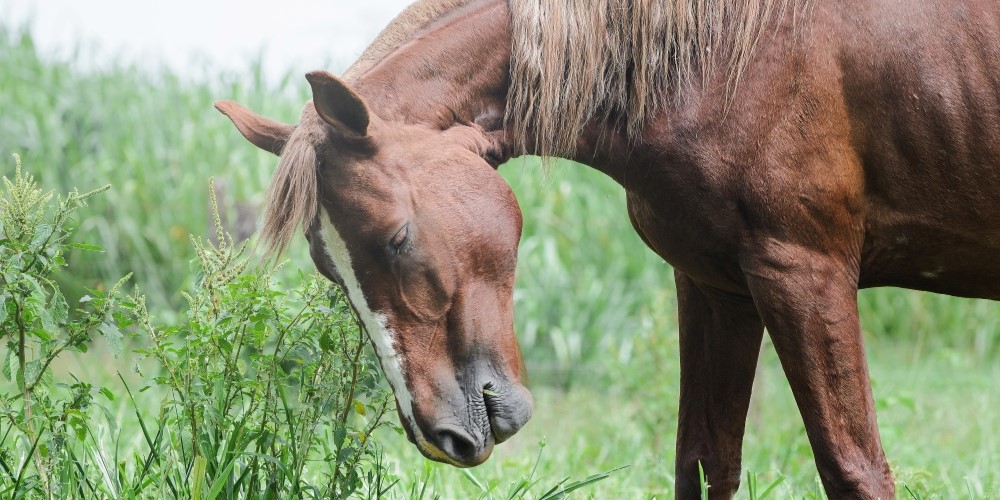
Equine Infectious Anemia (EIA) is an incurable viral disease primarily transmitted when blood from an infected equid enters another horse, donkey, mule, or other equid. The virus targets and destroys red blood cells (RBCs), leading to varying degrees of anemia in affected horses. This disease is endemic in horse populations worldwide. Once infected, horses become lifelong carriers and remain a continuous source of infection. Currently, there is no effective vaccine to combat the virus.
For stable owners and managers aiming to maintain herd health and stable operations, regular testing and isolation of seropositive individuals are fundamental measures for disease control. This article will provide a detailed overview of the clinical manifestations and testing protocols for EIA, giving you a deeper understanding and recognition of Equine Infectious Anemia.
〈Related Articles: Anemia Lab Values: Which Ones Should You Watch for Better Health Management?〉
What is Equine Infectious Anemia?
Equine Infectious Anemia (EIA) is caused by a lentivirus belonging to the Retroviridae family. The disease not only compromises the immune system but also causes massive destruction of red blood cells, leading to an anemic state in affected horses. Due to EIA's potentially long incubation period—lasting weeks or even longer—and its varied clinical presentation, early detection is often challenging.
Furthermore, the virus remains persistently transmissible while latent in the host, making this disease a matter of serious concern in international equine trade and competition quarantine procedures. To mitigate the risk of EIA dissemination, it is highly recommended that equine facilities establish thorough testing protocols and robust management techniques. This ensures the health of the herd and maintains the stable operation of the premises.
〈Related Articles: Ketosis in Cows: A Complete Guide to Symptoms, Prevention, and Testing〉
Common Symptoms of Equine Infectious Anemia: A Quick Guide
The clinical signs of Equine Infectious Anemia are largely nonspecific, ranging from mild lethargy and severe hemorrhage to collapse and immune system damage. Relying solely on a horse's physical appearance for diagnosis can easily lead to confusion with other diseases, such as piroplasmosis or leptospirosis, resulting in delayed treatment and misdiagnosis.
Beyond daily observation of a horse's body condition and activity level changes, owners are advised to utilize professional veterinary blood tests. This minimizes the risk of diagnostic errors and disease spread. The table below summarizes the common symptoms of EIA, helping owners better identify the various clinical manifestations.
〈Related Articles: Anemia Guide: Symptoms, Causes, and How to Manage Your Hemoglobin Levels〉
Table of Common Equine Infectious Anemia Symptoms
| Symptom Category | Symptom Description |
|---|---|
| Fever and Temperature Abnormalities | Affected horses exhibit recurrent or intermittent fever; elevated body temperature is one of the most prominent early signs. |
| Mental Depression and Weakness | Horses display lethargy and listlessness, progressively weakening as the disease advances, with a noticeable drop in activity. |
| Weight Loss and Emaciation | Loss of appetite in sick horses, which over time leads to poor body condition and significant weight reduction. |
| Edema and Swelling | Swelling may be observed in areas such as the lower abdomen or limbs, which is a common clinical feature during the course of the disease. |
| Anemic Signs | Clinical examination revealed a decrease in hematocrit (Hct) and red blood cell (RBC) count, accompanied by pale mucous membranes or petechiae/petechial hemorrhages. |
| Jaundice (Icterus) | Due to the destruction of red blood cells, the horse's eye conjunctiva or skin may appear yellowish. |
| Hemorrhagic Tendency | Includes epistaxis (nosebleeds), or visible petechial or ecchymotic hemorrhages on the mucous membranes. |
| Muscular and Physical Abnormalities | The diseased horse may show muscle weakness, ataxia (unsteady gait), and muscle atrophy. In severe cases, they may become recumbent. |
| Reproductive Abnormalities | Infected mares may abort or give birth to weak foals. |
| Mortality Risk | In acute or severe cases, sudden death may occur due to high levels of anemia or hemorrhage. |
(Swipe left or right to view the full table.)
Understanding Equine Infectious Anemia (EIA) Types, Causes, and the Importance of Stable Hygiene
Reliance solely on a horse's physical appearance is insufficient to confirm Equine Infectious Anemia (EIA) infection; it must be correlated with both clinical signs and test results. The following explains the main types of EIA and its sources of infection to help stables formulate correct procedures for epidemic prevention and horse care, thereby reducing the risk of cross-infection within the herd.
Types of Equine Infectious Anemia
EIA can be classified into acute, chronic, and inapparent (or latent) carrier types. The symptoms of these different types are detailed below. Clearly distinguishing the stage and condition of EIA helps veterinarians effectively manage the disease and establish appropriate isolation and management measures.
- Acute EIA: Often seen during the initial infection. It is characterized by a rapid rise in body temperature accompanied by severe anemia, and it has a relatively high mortality rate.
- Chronic EIA: Symptoms include recurrent episodes of fever, lethargy, and weight loss. The course of the disease can last several months.
- Inapparent (Latent) Carrier EIA: The horse appears healthy but still harbors the virus internally. If bitten by blood-sucking insects, it poses a risk of transmitting the virus to other horses in the herd.
〈Related Articles: Downer Cow Syndrome: Causes, Symptoms, and 4 Key Prevention Strategies for Herd Health〉
Causes of Equine Infectious Anemia
EIA is primarily transmitted through blood. The natural transmission occurs via blood-sucking insects like horse flies and deer flies. If the stable environment is damp and has many standing water sources, insect breeding accelerates, naturally increasing the risk of infection. Stables are advised to diligently implement environmental disinfection, eliminate standing water, and enforce strict fly control to minimize transmission opportunities.
In addition to insect vectors, human-facilitated (iatrogenic) transmission is now recognized as a major risk factor. The virus can spread through the sharing of blood-contaminated needles, syringes, IV sets, dental instruments, tattoo equipment, or through unscreened blood transfusions. Furthermore, an infected mare may transmit the virus to her foal during gestation.
Is Equine Infectious Anemia Treatable? Daily Monitoring Cannot Be Overlooked!
Currently, there is no drug or vaccine that can completely treat EIA; infected horses remain lifelong carriers. Therefore, once a horse is confirmed positive, it must be isolated or euthanized according to regulations to prevent the continuous spread of the virus and contain the outbreak. Since the pathogen cannot be cleared once a horse contracts EIA, regular blood testing and vector control are the only ways to prevent and maintain the health of the herd. Early detection can prevent significant losses from spreading throughout the entire facility.
〈Related Articles: What is Equine Metabolic Syndrome (EMS)? Understanding Symptoms and Management〉
An Overview of the 2 Major EIA Testing Methods
Testing for EIA primarily relies on detecting the antibody response in the blood. Common methods include the Agar Gel Immunodiffusion (AGID) test and the Enzyme-Linked Immunosorbent Assay (ELISA). The former is internationally recognized as the standard diagnostic method, while the latter is often used for initial screening. When necessary, a positive ELISA result must still be confirmed with the AGID test. Using these two methods in conjunction ensures both accuracy and testing efficiency. Their principles and applications are explained below.
Agar Gel Immunodiffusion (AGID) Test
The Agar Gel Immunodiffusion test, commonly known as the Coggins test, involves placing serum and antigen on an agar plate to observe the formation and fusion of a precipitate line. A positive result indicates that antibodies against EIAV were detected. A negative result means no EIA antibodies were detected in the submitted sample, although recent exposure may require isolation and repeat testing. A suspicious or inconclusive result may require isolation and repeat testing after an interval determined by the veterinarian or animal-health authority.
〈Related Articles: Is Your Pet Diabetic? Learn How a Pet Blood Glucose Meter Can Help〉
Enzyme-Linked Immunosorbent Assay (ELISA)
The Enzyme-Linked Immunosorbent Assay (ELISA) uses an enzyme reaction to detect antibodies against EIAV in the blood. This method is fast and suitable for screening large numbers of horses. However, a non-negative ELISA result requires confirmation through AGID or another approved reference laboratory testing procedure.
How to Interpret Coggins Test Results
A negative result means no EIA antibodies were detected in the submitted sample. However, horses tested soon after exposure may require isolation and repeat testing.
A non-negative ELISA result requires confirmatory testing. Once a horse is officially confirmed positive, the result is reported to animal-health authorities. The horse must then be euthanized or kept under permanent quarantine according to applicable regulations. USDA advises separating suspected or infected horses by at least 200 yards from other equids.
〈Related Articles: The Importance of Equine Bloodwork: Tests, Fees, and Procedure Explained〉
SANcheck | StrideVet 4in1 Instantly Helps You Monitor Your Horse's Daily Status!
The SANcheck brand, a subsidiary of General Life Biotechnology, has launched the StrideVet 4in1 Multi-Monitoring System, which can measure Packed Cell Volume (PCV) data. PCV is a crucial index for evaluating the degree of anemia, and anemia is one of the main clinical manifestations of EIA. Veterinarians can use the StrideVet 4in1 to obtain on-site PCV data and assess whether a horse may be showing signs of anemia. However, PCV cannot diagnose or rule out EIA, and suspected horses still require approved antibody testing.
In addition to PCV, the instrument can measure Lactate, Triglycerides, and Glucose values, which are used to assess the horse's overall metabolic condition. Because many regions lack specialized equine hospitals and veterinarians often perform initial assessments on-site, the StrideVet 4in1 can provide immediate PCV and metabolic data without waiting for routine laboratory results. However, suspected EIA cases still require approved antibody testing.
〈Related Articles:Monitoring Your Metabolic Health: Blood Ketone Meter and GKI Guide〉
Frequently Asked Questions (FAQ) About Equine Infectious Anemia
Q: Is Equine Infectious Anemia contagious to humans?
A: No. EIA is strictly a disease of equids (horses, ponies, donkeys, mules, and zebras). There is no human health risk associated with the EIA virus.
Q: How long is the incubation period for EIA?
A: The incubation period generally ranges from 1 week to 45 days or longer. However, antibodies may not be detectable immediately after infection, so horses tested soon after possible exposure may require isolation and repeat testing.
〈Related Articles: Diabetes Kit Preparation : A Complete List of Emergency Essentials and Daily Monitoring Tips〉
Q: Can a foal have a positive EIA antibody test without being infected?
A: Yes. Foals nursing from an EIA-positive mare may temporarily carry maternal antibodies obtained through colostrum. These antibodies can affect serologic test results for several months. A veterinarian and animal-health authority should determine the appropriate timing and method for follow-up testing.
Conclusion
Equine Infectious Anemia is an incurable chronic disease, and there is currently no vaccine that can fully counteract it; infection results in being a lifelong carrier. Therefore, instead of focusing on treatment after the fact, the greater priority is the daily implementation of insect control and routine blood testing, forming a comprehensive prevention strategy. By incorporating the SANcheck StrideVet 4in1 professional monitoring device, stables can instantly grasp the horse's PCV and health data, minimizing the risk of missing the optimal window for disease control.
The SANcheck brand from General Life Biotechnology is dedicated to providing veterinarians with more precise and rapid testing tools. If you wish to improve the efficiency of disease prevention and safeguard the health of your herd, we welcome you to contact us to learn more about our application solutions.
〈Related Articles: Milk Fever in Cows: Symptoms, Prevention, and Monitoring to Safeguard Dairy Yield〉
References
Equine Infectious Anemia
Anemia in Horses
Equine Infectious Anemia
馬傳染性貧血,EIA
What Is a Coggins Test?
馬傳染性貧血症檢驗採用免疫擴散反應試驗
General Life Biotechnology
We are the experts behind General Life Biotechnology, a proud member of the Compal Group since 1999. With over 20 years of experience in the medical device field, our diverse team of biotech specialists, engineers, and health educators is committed to making home health testing accurate and accessible.
We are the creators of the BeneCheck and SANcheck systems, trusted globally with ISO 13485, CE, TFDA, and FDA approvals.
Here on our blog, we translate complex medical data into practical advice. Whether you are managing diabetes, monitoring cholesterol, or checking your pet’s health, we provide the professional knowledge you need to track your numbers with confidence. Our mission is to use our technology to help you—and your pets—live healthier, happier lives.
Areas of Expertise:
Chronic Disease Management
IVD Technology & Innovation
At-Home Health Monitoring
Veterinary Preventive Medicine
Our Standards:
ISO 13485 Certified
GMP Compliant
Article Classification
Recent Articles
- Diabetic Ketoacidosis in Cats Treatment and Prevention Guide
- Pet Insulin Treatment: Careful Management of Diet, Exercise, and Blood Glucose Changes
- What Are the Symptoms of Diabetic Ketoacidosis in Dogs? Learn How to Monitor Your Dog’s Health Daily.
- Equine Infectious Anemia (EIA): Symptoms, Diagnosis, and Prevention
- The Importance of Equine Bloodwork: Tests, Fees, and Procedure Explained