
ARTICLES
A healthy life begins with regular check-ups.

- Home
- Articles
- Veterinary
- What is Equine Metabolic Syndrome (EMS)? Understanding Symptoms and Management
What is Equine Metabolic Syndrome (EMS)? Understanding Symptoms and Management
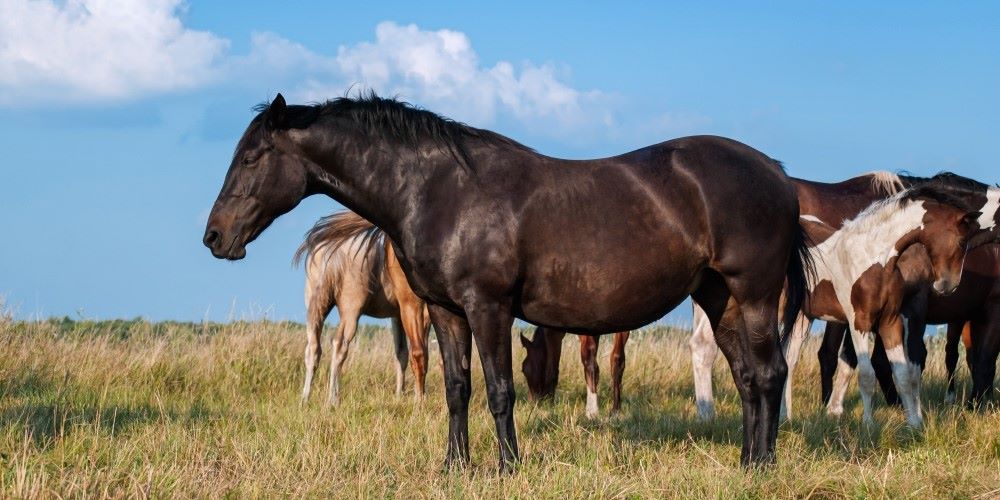
Equine Metabolic Syndrome (EMS) is an endocrine disorder deeply intertwined with modern management practices, genetic predisposition, and environmental factors. Its symptoms extend far beyond simple weight gain. Horse owners must actively address their horse's health concerns by ensuring early detection and effective management to significantly improve their quality of life and prevent severe, life-threatening complications.
This article will provide you with an in-depth look at the common symptoms of EMS, differentiate it from Cushing's disease (PPID), explore management strategies focusing on diet and exercise, and recommend relevant monitoring devices for prompt veterinary assessment, helping you build a healthier life for your cherished horse!
〈Related Article:How Does Bovine Ketosis Affect Milk Production? Understand the Causes and Symptoms to Prevent It!〉
What is Equine Metabolic Syndrome?
Equine Metabolic Syndrome (EMS) is a complex endocrine disorder characterized by a core problem: abnormal insulin regulation. The underlying issue is Insulin Resistance (IR), where the horse's body cells become resistant to insulin. As a result, cells cannot efficiently utilize glucose in the bloodstream for energy. To compensate, the pancreas secretes increasing amounts of insulin, leading to persistently high blood insulin levels—a vicious cycle known as hyperinsulinemia.
This state of imbalance also triggers the abnormal metabolism and accumulation of fat, typically seen in discrete, bulging deposits around the neck (cresty neck), shoulders, and tailhead. Furthermore, hyperinsulinemia drastically increases the risk of laminitis, a painful and debilitating condition that can lead to displacement of the pedal bone (coffin bone), severely impacting mobility and potentially threatening the horse’s life. Therefore, understanding and proactively addressing EMS is a crucial responsibility for every horse owner.
What are the Common Symptoms of Equine Metabolic Syndrome?
To manage EMS effectively, the first step is recognizing the early signs. These symptoms may not all appear at once, but the observation of even one should prompt attention. Below are the typical EMS signs that owners should be particularly mindful of, allowing for the earliest possible recognition of a health warning in your horse.
Abnormal Fat Deposits
Abnormal fat accumulation is one of the most classic signs of EMS. The fat deposits are usually not evenly distributed across the body but concentrated in specific areas. The most common site is the crest of the neck, where the fat becomes firm and thickened, sometimes hanging down to form what is often called a "bull neck". Other areas to check include the shoulders, the tailhead, and above the eyes. Distinct fat pads in these regions are likely warning signs of EMS.
Overweight or Obese Body Condition
The majority of horses suffering from EMS are overweight or obese. They tend to have a rounded body shape with ribs that are difficult to feel. This is usually due to the intake of a diet high in energy, such as excessive grains or rich pasture, coupled with uncontrolled feeding, leading to caloric intake far exceeding expenditure and ultimately causing weight issues.
Recurrent Laminitis
Laminitis is one of the most dangerous complications of EMS. Some horses may suffer from recurrent laminitis without any clear trigger. When you notice the following symptoms in your horse, you must be highly vigilant: a stiff gait or reluctant movement, which is often more pronounced when turning; an elevated digital pulse (a stronger pulse felt at the back of the pastern); or signs of white line separation or hemorrhage at the junction of the hoof wall and sole. These painful reactions are caused by the vasoconstriction and impaired blood flow resulting from hyperinsulinemia.
Increased Thirst and Urination (Polydipsia and Polyuria)
While increased drinking and urination can be normal in some circumstances, if these symptoms accompany other signs of EMS, it may indicate a problem with blood sugar regulation. The body attempts to excrete excess sugar through increased urination.
Increased Appetite (Polyphagia)
Despite being overweight, many horses with EMS exhibit an intense appetite. They constantly appear hungry, which makes weight management more challenging. This strong craving for food is actually a physiological response generated by the body to cope with insulin resistance.
Equine Metabolic Syndrome vs. Equine Cushing's Disease: A Quick Guide to the Differences!
Both Equine Metabolic Syndrome (EMS) and Cushing's Disease (also known as Pituitary Pars Intermedia Dysfunction or PPID) are common equine endocrine disorders that affect insulin regulation. However, despite their similarities, there are fundamental distinctions in their causes (etiology), typical symptoms (clinical signs), common age of onset, and diagnostic methods. Accurately differentiating between these two conditions is essential for providing your horse with the correct care and management.
Equine Metabolic Syndrome (EMS)
Equine Metabolic Syndrome (EMS) is a disease strongly associated with dysregulated insulin metabolism (insulin resistance) and obesity. It primarily affects horses ranging from young to middle age, with the highest prevalence typically seen in individuals between 5 and 15 years old.
Etiology (Causes)
The core pathological mechanism of EMS is insulin resistance. This means the cells in the horse's body become insensitive or unresponsive to insulin, causing the pancreas to secrete more insulin to compensate. This results in persistently elevated insulin levels in the bloodstream (hyperinsulinemia). EMS is closely linked to a combination of genetic predisposition, a diet high in non-structural carbohydrates (NSC), and lack of sufficient exercise.
Common Clinical Signs
The primary hallmark of EMS is regional adiposity (abnormal fat accumulation), particularly a cresty neck, fat pads over the shoulders, and fat accumulation at the tail head. These areas often form firm, hard fat deposits. Affected horses are typically overweight or obese. Furthermore, if left uncontrolled, EMS frequently leads to recurrent laminitis, a painful and debilitating complication that severely compromises the horse's well-being.
Diagnosis
Diagnosing EMS primarily relies on the assessment of clinical signs, a physical and body condition examination, and blood work. Veterinarians will specifically measure fasting insulin levels and may perform an Oral Glucose Tolerance Test (OGTT) to evaluate the horse's ability to regulate insulin and glucose.
Cushing's Disease (Pituitary Pars Intermedia Dysfunction, PPID)
Cushing's Disease is a disorder related to pituitary gland dysfunction, medically known as Pituitary Pars Intermedia Dysfunction (PPID). It is a condition that predominantly affects older horses, particularly those 15 years of age and older.
Etiology (Causes)
The underlying cause of PPID is the proliferation (hyperplasia) of the glandular cells or the development of a tumor (adenoma) in the pars intermedia of the pituitary gland. This leads to the oversecretion of Adrenocorticotropic Hormone (ACTH). Elevated ACTH levels continuously stimulate the adrenal glands to produce excessive amounts of cortisol, which then triggers a cascade of physiological imbalances and clinical symptoms.
Common Clinical Signs
The most characteristic sign of PPID is Hirsutism (excessively long hair coat), where the horse's hair grows abnormally, becomes curly, and fails to shed properly. Other symptoms include muscle wasting (especially along the back and abdomen), a pendulous abdomen (pot-belly appearance), a significant increase in water consumption (polydipsia) and urination (polyuria), and immunosuppression, which makes the horse more susceptible to infections.
Diagnosis
The primary method for diagnosing PPID is by measuring plasma Adrenocorticotropic Hormone (ACTH) levels. Since ACTH levels naturally increase during the fall season (seasonal rise), testing at this time is often more accurate and can aid in the earlier detection of the disease.
Comparison of Equine Metabolic Syndrome (EMS) and Cushing's Disease (PPID)
| Feature | Equine Metabolic Syndrome (EMS) | Pituitary Pars Intermedia Dysfunction (PPID) |
|---|---|---|
| Common Age Group |
Young to middle-aged horses (5–15 years). |
Older horses (15 years and older). |
| Core Pathophysiology |
Dysregulated insulin metabolism (Insulin Resistance). |
Pituitary pars intermedia dysfunction leading to the oversecretion of ACTH. |
| Primary Symptoms |
Overweight or regional obesity, including cresty neck/tail head fat, and recurrent laminitis. |
Hirsutism (long, curly hair coat), muscle wasting, pendulous abdomen, polydipsia/polyuria, and immunosuppression. |
| Diagnosis Methods |
l Clinical sign assessment l Body Condition Score (BCS) l Fasting Insulin Test l Oral Glucose Tolerance Test (OGTT) |
l Clinical sign assessment l Plasma ACTH Level Test |
| Treatment & Management |
l Dietary management (low NSC/sugar) l Increased exercise l Weight control |
l Pharmacological treatment l Dietary management l Supportive care |
| Disease Association |
Primarily associated with obesity and insulin resistance. |
Primarily associated with hormonal imbalance, but may lead to secondary insulin resistance in later stages. |
*The table is scrollable horizontally on mobile.
How is Equine Metabolic Syndrome Diagnosed? Three Key Factors at a Glance!
Diagnosing Equine Metabolic Syndrome (EMS) requires a combination of clinical assessment, careful observation, and specialized blood tests. Because some clinical signs may be subtle or easily confused with other conditions, veterinarians typically use multiple methods to conduct a comprehensive evaluation, maintaining a high level of diagnostic accuracy.
Clinical Assessment and Body Condition Analysis
The veterinarian will perform a thorough physical examination of the horse, with a specific focus on observing fat deposition and overall body shape. They commonly utilize the Body Condition Score (BCS), a nine-point grading system. An ideal BCS for a horse usually falls between 4 and 6. However, horses suffering from EMS often have higher scores, ranging from 7 to 9, which indicates they are overweight or obese.
Blood Testing
Fasting Insulin Test
The fasting insulin test is the most fundamental and crucial step in diagnosing EMS. The veterinarian will draw a blood sample to measure insulin concentration after the horse has been fasted for a specific period, typically 6 to 12 hours. If insulin levels are above the normal reference range, it is a strong indicator of insulin resistance.
Oral Glucose Tolerance Test (OGTT)
The Oral Glucose Tolerance Test is another valuable diagnostic procedure. In this test, the horse is given a measured dose of glucose solution or syrup orally. Blood samples are then collected at specific time intervals to measure the changes in insulin and glucose levels. In horses with insulin resistance, insulin levels will rise abnormally high and remain elevated, demonstrating an imbalance in the body's ability to regulate glucose.
Other Relevant Indicators
In addition to insulin and glucose, veterinarians may also check other relevant indicators such as blood lipids, lactate, or triglycerides. If any of these values are found to be excessively high, it suggests a potential abnormality in the horse's fat metabolism, further supporting the diagnosis of Equine Metabolic Syndrome.
Laminitis Assessment
If the horse is already showing symptoms of laminitis, the veterinarian will conduct a more detailed examination of the hooves, including palpating the digital pulses, which may feel significantly stronger at the back of the pastern. X-rays will also be taken to evaluate the health and position of the pedal bone (P3). The radiographs can clearly show signs of pedal bone sinking or rotation, one of the most severe complications of laminitis and a common consequence of EMS.
Improve Equine Metabolic Syndrome Through Diet and Exercise Management!
A diagnosis of Equine Metabolic Syndrome can be worrying for owners, but the most important and effective first step is to actively implement dietary management and an exercise plan. These two core strategies can help the horse effectively control its weight, improve insulin sensitivity, and significantly reduce the risk of developing laminitis.
Dietary Management: Low Carbohydrate, High Fiber
Restricting Non-Structural Carbohydrates (NSC)
Non-Structural Carbohydrates (NSC), which include starch and sugar, are the primary drivers of elevated insulin levels in horses. Therefore, the NSC content in a horse's feed should be kept below 10%. Choosing low-NSC hay, feed, and supplements is key to controlling blood glucose and insulin levels.
Selecting Low-NSC Forage and Low-Calorie Supplements
Not all forage is suitable for EMS horses. When selecting hay, prioritize mature hay with more stem and less leaf. Additionally, it is recommended to soak the hay in cold water for 30 to 60 minutes prior to feeding, as this can effectively reduce its NSC content. If the horse requires extra vitamins and minerals, be sure to select low-calorie, low-NSC supplements specifically designed for EMS horses.
Controlling Pasture Grazing
Fertile pasture is one of the main risk factors for Equine Metabolic Syndrome because the sugar content in grass peaks during spring and sunny weather. To prevent horses from ingesting excessive sugar, it is recommended to limit grazing during these high-risk periods or use a grazing muzzle to control their intake. This is crucial for effectively mitigating the risk of fluctuating insulin levels.
Small, Frequent Meals
Dividing the daily feed ration into several small, frequent meals helps keep the horse's blood glucose and insulin levels stable. This prevents the sharp spike in blood glucose and insulin that can occur after a single large meal. This practice not only reduces the burden on the pancreas but also ensures smoother digestive function, which is highly beneficial for weight management.
Improving Health Through Exercise
Gradually Increasing Exercise
An exercise program must be gradual and progressive. Start with short-duration, low-intensity exercise, such as brisk walking and trotting. As the horse adapts, slowly increase the duration and intensity of the workout. However, if the horse shows any signs of laminitis, all exercise must cease immediately. Strict management under veterinary guidance is required until the hoof inflammation is completely resolved before slowly resuming an exercise routine.
Maintaining Sufficient Daily Exercise
Even if high-intensity exercise is not possible, maintaining sufficient daily movement is crucial for EMS horses. Even short periods of hand-walking or lunging are better than no movement at all. Consistent exercise helps burn excess calories, improve insulin sensitivity, and reduce fat accumulation, thereby enhancing the horse's overall health.
StrideVet 4in1 Multi-Monitoring System Recommendation!
The StrideVet 4in1, introduced by Sanlih Biological Technology's SANcheck brand, is a professional monitoring system designed for veterinarians. It can instantly and accurately measure four key indicators in equine blood: Lactate, Hematocrit (Hct), Triglyceride (TG), and Glucose. This system provides a convenient and comprehensive tool to help manage a horse's health status more efficiently
〈Related Article: Is Your Pet Diabetic? Learn How a Pet Blood Glucose Meter Can Help〉
Lactate
Elevated blood lactate levels in horses are not only associated with exercise fatigue and hypoxia but are also closely linked to Systemic Inflammatory Response Syndrome (SIRS). Real-time monitoring of lactate levels allows veterinarians to better assess the horse's exercise tolerance and health status, helping to prevent injuries caused by overtraining.
Hematocrit (Hct)
Hematocrit is a crucial indicator of equine hydration. Dehydrated horses typically show an elevated Hct value; the normal range is 34% to 46%. This value is vital for assessing the health and exercise tolerance of EMS horses, providing an immediate reference for their physiological state.
Triglyceride (TG)
High levels of triglyceride in the blood indicate abnormal fat metabolism, which is closely associated with insulin resistance. Comparing changes in triglyceride values with glucose test results provides a more comprehensive assessment of the horse's metabolic health.
Glucose
Glucose is the core indicator for monitoring blood sugar levels. Hyperglycemia can be a sign of abnormal insulin regulation. Therefore, continuous monitoring of glucose levels helps evaluate the effectiveness of dietary management and detect potential issues early. The real-time testing capability of the StrideVet 4in1 allows veterinarians to obtain results quickly, eliminating the long waiting time associated with sending samples to a laboratory. This on-site real-time testing capability makes equine health management more timely and scientific, ensuring the most appropriate care is provided immediately.
SANcheck|StrideVet 4in1: Instant Insight into Your Horse's Vitals!
Equine Metabolic Syndrome is not merely a problem of obesity; it is an endocrine disease closely linked to abnormal insulin regulation. Without early detection and aggressive control, a horse's health will gradually deteriorate, potentially leading to the severe complication of laminitis. Fortunately, advancements in scientific tools now allow veterinarians to utilize testing equipment to address a horse's health status in real time.
The StrideVet 4in1 Multi-Monitoring System from General Life Biotechnology 's SANcheck brand empowers veterinarians to accurately and instantly track key metrics such as lactate, triglyceride, and glucose anytime and anywhere. Through this precise monitoring tool, dietary and exercise plans can be adjusted more effectively, helping horses restore a healthy physique, regain their vitality for running, and once again display their inherent grace and vigor! If you would like to learn more, please click now to discover how we can collaborate to meet the growing demand for animal health diagnostics.
References
馬庫興氏症候群,腎上腺皮質功能亢進症,腺瘤或醫源性
《毛茸茸的內分泌危機-馬匹庫欣氏症》
Equine Metabolic Syndrome (EMS)
Equine Metabolic Syndrome - Metabolic Disorders
馬庫興氏症候群,腎上腺皮質功能亢進症,腺瘤或醫源性
《毛茸茸的內分泌危機-馬匹庫欣氏症》
Equine Metabolic Syndrome (EMS)
Equine Metabolic Syndrome - Metabolic Disorders

General Life Biotechnology
We are the experts behind General Life Biotechnology, a proud member of the Compal Group since 1999. With over 20 years of experience in the medical device field, our diverse team of biotech specialists, engineers, and health educators is committed to making home health testing accurate and accessible.
We are the creators of the BeneCheck and SANcheck systems, trusted globally with ISO 13485, CE, TFDA, and FDA approvals.
Here on our blog, we translate complex medical data into practical advice. Whether you are managing diabetes, monitoring cholesterol, or checking your pet’s health, we provide the professional knowledge you need to track your numbers with confidence. Our mission is to use our technology to help you—and your pets—live healthier, happier lives.
Areas of Expertise:
Chronic Disease Management
IVD Technology & Innovation
At-Home Health Monitoring
Veterinary Preventive Medicine
Our Standards:
ISO 13485 Certified
GMP Compliant
Article Classification
Recent Articles
- Diabetic Ketoacidosis in Cats Treatment and Prevention Guide
- Pet Insulin Treatment: Careful Management of Diet, Exercise, and Blood Glucose Changes
- What Are the Symptoms of Diabetic Ketoacidosis in Dogs? Learn How to Monitor Your Dog’s Health Daily.
- Equine Infectious Anemia (EIA): Symptoms, Diagnosis, and Prevention
- The Importance of Equine Bloodwork: Tests, Fees, and Procedure Explained