
ARTICLES
A healthy life begins with regular check-ups.

- Home
- Articles
- Veterinary
- Downer Cow Syndrome: Causes, Symptoms, and 4 Key Prevention Strategies for Herd Health
Downer Cow Syndrome: Causes, Symptoms, and 4 Key Prevention Strategies for Herd Health
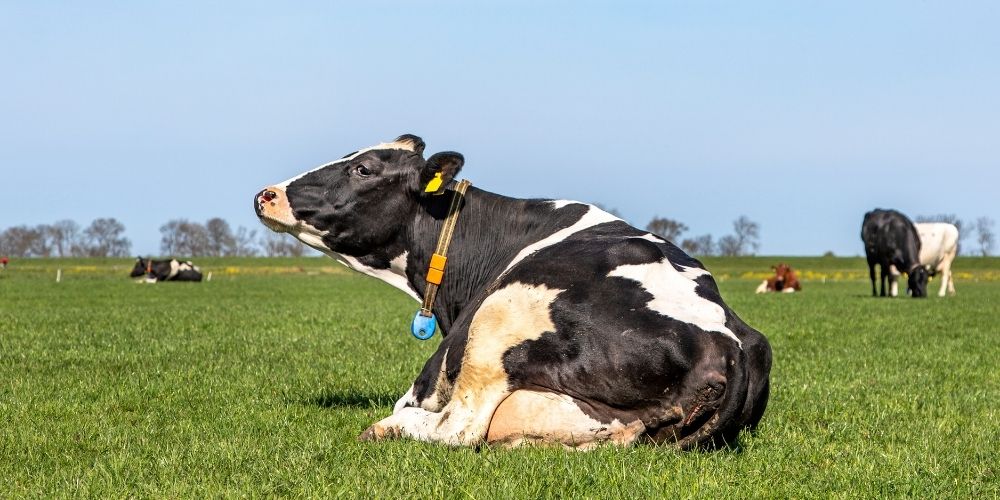
Managing cattle health issues is challenging, and the larger the herd, the greater the difficulty. One of the most common problems is Downer Cow Syndrome. The condition has multiple, complex causes, making diagnosis and prognosis complicated, and immediate treatment is not always feasible. In the face of such challenges, being able to rapidly assess and effectively manage the condition becomes a cornerstone of successful livestock farming. This article will guide you through the symptoms, underlying causes, diagnostic methods, and emergency management, helping you effectively respond to Downer Cow Syndrome.
What is Downer Cow Syndrome?
Downer Cow Syndrome is not a single disease. Instead, it refers to a state where a cow, for various unexplained reasons, remains recumbent and unable to stand on its own, usually for at least 12 to 24 hours. The initial recumbency can stem from a multitude of primary causes, including metabolic disorders, trauma, infection, degenerative diseases, or poisoning. It is most frequently observed in dairy cows, particularly those in the periparturient or early lactation periods. Downer Cow Syndrome can be further categorized into alert and non-alert types to aid clinical evaluation and management.
Alert Downer Cows
The cow is conscious and alert, showing no signs of systemic illness or behavioral changes. They can still eat and drink normally and maintain a sternal recumbency position (resting on their chest). Though unable to stand, their mental state is stable, making them suitable candidates for clinical observation and remote care.
Non-Alert Downer Cows
Refers to a cow with an altered consciousness. The animal is dull, lethargic, or sleepy, may exhibit depressed behavior, and is often accompanied by signs of systemic illness or central nervous system issues. These cases require intensified observation and veterinary diagnosis and care.
Why Do Cows Go Down? 4 Major Causes of Downer Cow Syndrome
Cause 1: Metabolic Disorders
Various metabolic abnormalities can lead to Downer Cow Syndrome, including hypocalcemia (milk fever), hypomagnesemia, nutritional acidosis, ketosis, hypokalemia, and fatty liver. Among these, bovine ketosis is the most common. Primary ketosis often occurs in high-yielding dairy cows due to a sudden drop in appetite, fatty liver caused by obesity, or consuming silage with excessively high moisture content. Secondary ketosis, on the other hand, can be triggered by other diseases such as hypocalcemia, displaced abomasum, lameness/foot diseases, or retained placenta.
〈Related Article: How Does Bovine Ketosis Affect Milk Production Performance? Understand the Etiology and Symptoms to Prevent Ketosis! 〉
Cause 2: Inflammatory Infections
Inflammatory diseases can also cause recumbency, such as acute septic metritis (uterine infection) or acute peritonitis (e.g., from a ruptured uterus or traumatic reticulitis/hardware disease). Furthermore, prolonged recumbency itself can lead to complications like acute mastitis and pressure sores (decubitus ulcers), increasing the cow's health risk and management difficulty.
Cause 3: Nerve Damage
Neurological issues are often a major contributor to Downer Cow Syndrome, such as paralysis of the obturator, sciatic, or femoral nerves. The severity of sciatic nerve injury is considered a critical factor in determining a downer cow's potential for recovery. Nerve damage sustained during a difficult birth (dystocia) can also result in "calving paralysis," leaving the cow unable to stand for extended periods. Regardless of the original cause, prolonged recumbency can lead to secondary compression injury to the pelvic and limb muscles and nerves, as the body weight compresses the muscles of the lower limbs, and both front and hind limbs may be affected during lateral recumbency.
Cause 4: Traumatic Injuries
Musculoskeletal injuries caused by slipping or falling are among the most common immediate triggers for Downer Cow Syndrome. Examples include hip dislocation, tendon, muscle, or ligament rupture, and femoral fractures. The cow's environment greatly influences the occurrence of these injuries: if the floor is slippery, the possibility of musculoskeletal injury must be strongly considered; conversely, the chance of such trauma is less frequent when cows are housed in open spaces, on dirt, or on well-maintained bedding.
How to Identify Downer Cow Syndrome? Mastering the Typical Symptoms for Rapid Recognition!
When treatment for the underlying cause of recumbency is ineffective, and the cow remains unable to stand for over 24 hours, several distinct symptoms typically emerge. These signs are often the result of prolonged compression injuries to the muscles and nerves. Veterinarians usually look for the following clinical signs:
- Mobility: The cow is unable to stand or walk on its own. Movement is restricted, often limited to using the front limbs to shuffle (commando crawling), which suggests possible lower limb or nerve damage.
- Recumbency Posture: Prolonged sternal (on the chest) or lateral recumbency (lying on the side) leads to localized muscle and nerve compression, easily resulting in pressure sores (decubitus ulcers) and tissue necrosis.
- Mental Status: Alert downer cows remain conscious and responsive; non-alert cows appear dull, listless, or lethargic, potentially signaling an accompanying systemic illness.
- Appetite and Excretion: Some cows may still eat, drink, urinate, and defecate. However, cows with more severe Downer Cow Syndrome may experience reduced appetite or complete anorexia.
- Postpartum Status: Dairy cows within 48 hours postpartum are most susceptible to Downer Cow Syndrome. Cows in this period are often lying in lateral recumbency and usually have concurrent postpartum metabolic or neurological issues.
- Hindlimb Position: If you observe the cow's hindlimbs splayed backward and outward, it may indicate obturator nerve paralysis or paresis. It could also be a sign of hip dislocation, or a femoral or tibial fracture. If the forelimbs are extended laterally and accompanied by skin folding (creases), the probability of a fracture is usually very high.
Downer Cow Syndrome (DCS): Golden Standard Operating Procedure (SOP) for Rescuing Recumbent Cows!
Emergency response after a cow goes down is critical; delay must be avoided. Prolonged recumbency can quickly lead to numerous complications, such as acute mastitis, decubitus ulcers (bedsores), or even limb trauma resulting from the cow's struggles to get up or reposition itself. Some cows may develop severe myoglobinuria, potentially leading to renal failure. In such situations, it is highly recommended to immediately seek veterinary assistance while simultaneously initiating emergency care to ensure the best possible window for recovery.
Downer Cow Syndrome Management Guide 1: Remote Observation
Before the physical exam, confirm the cow's basic information: age, calving period, body condition score (BCS), and relevant medical history. Observe the cow remotely to assess its overall demeanor, posture, respiration, activity level, and limb position. Evaluate if the recumbent cow is struggling or having difficulty turning over. Simultaneously, ensure the environment is safe: check for non-slip flooring, sufficient space, and avoid overcrowding. Provide good support, such as a soft bed or deep straw bedding, if necessary, to minimize the risk of secondary injury.
Downer Cow Syndrome Management Guide 2: Physical Examination
The next step is a complete physical examination, including the assessment of hydration status (e.g., sunken eyes, skin tenting), body temperature, heart rate, and pulse. Abdominal palpation and auscultation can rule out gastrointestinal abnormalities or acute abdominal conditions. For recumbent dairy cows, the udder must be examined, as mammary gland infections can be a cause of DCS. Periparturient cows require a vaginal examination as vaginal injury or metritis with associated toxemia often contributes to postpartum recumbency.
Downer Cow Syndrome Management Guide 3: Assisting the Cow to Stand
For recumbent cows with a good mental status, stimulate the animal to attempt to stand first to observe its limb movement and weight-bearing ability, which helps determine the location of nerve or muscle damage. Under safe conditions, use lifting aids to slowly elevate the cow, allowing the hind limbs to bear weight. If the cow has unilateral injury, it may attempt to rise on the uninjured side. This process may require multiple attempts, and the condition of the limbs must be monitored closely.
Downer Cow Syndrome Management Guide 4: Diagnosis of Secondary Downer Cow
The diagnosis of a secondary downer cow, in addition to the basic physical exam, benefits from serum biochemical analysis and urinalysis, which provide further clues about the underlying causes. For conditions like fractures, joint pathology, and nerve damage, the diagnosis primarily relies on a meticulous physical examination. Although X-ray examination is limited on the farm, experienced veterinarians using ultrasound technology can assist in diagnosing fractures of long bones in the upper limbs, as well as joint and tendon lesions.
Downer Cow Syndrome Management Guide 5: Treatment of Secondary Downer Cow
Beyond addressing the primary cause of recumbency, attention must be paid to potential secondary issues, such as inflammation, ketosis, or electrolyte imbalance caused by inappetence. During care, maintaining adequate hydration and controlling pain are paramount. The cow should be assisted to attempt standing daily. If the situation requires, a flotation tank (or water bath) can be utilized to relieve the burden on the cow. All observation records should be given to the veterinarian so the professional team can formulate the most appropriate treatment plan and assess the subsequent recovery status.
Downer Cow Syndrome Management Guide 6: Nutritional Supplementation
Recumbent cows with poor appetite are prone to energy and mineral deficiencies, such as ketonuria, hypokalemia, or hypophosphatemia. Oral supplementation with potassium, phosphorus, calcium, and propylene glycol can help replenish essential bodily needs. Furthermore, pain management and maintaining sufficient hydration are central to supportive care. The use of Non-Steroidal Anti-Inflammatory Drugs (NSAIDs) is recommended to alleviate pain and discomfort from muscle damage and reduce secondary inflammation, which can help the cow maintain or stimulate self-feeding.
Prevention is Better Than Cure: Monitoring Blood Reports to Reduce Recumbency Risk at the Source
Changes in blood markers such as Creatine Kinase (CK), Aspartate Aminotransferase (AST), and Lactate Dehydrogenase (LDH) in recumbent cows reflect the extent of muscle damage. When muscle is acutely damaged (e.g., from trauma), CK levels rapidly spike and then quickly decline. If CK remains moderately elevated, it suggests ongoing compression injury. Early and repeated blood testing helps differentiate between acute (primary) and persistent (secondary) muscle damage, aiding clinical treatment and prognosis.
In daily dairy management, utilizing the SANcheck ABEL Vet GK Blood Glucose and β-ketone (BHB) Monitoring System allows for real-time monitoring of blood glucose and ketone levels. This enables the early detection of metabolic warning signs, prevents recumbency risk caused by energy metabolism imbalance, and helps dairy cows maintain good health and stable lactation.
(Recommended Product: SANcheck ABEL Vet GK Blood Glucose and β-ketone (BHB) Monitoring System)
Conclusion
The etiology of Downer Cow Syndrome is complex. While acute muscle trauma like slipping may be the primary cause, secondary muscle damage resulting from prolonged recumbency also contributes to elevated enzyme activity. Relying solely on experience and visual observation often fails to grasp the cow's true health status in a timely manner. Serum biochemical analysis allows for earlier detection of abnormal changes, serving as a vital basis for subsequent treatment and prognosis. To truly achieve "Prevention is better than cure," monitoring must become a regular habit. The SANcheck ABEL Vet GK Blood Glucose and β-ketone (BHB) Monitoring System from General Life Biotechnology, which quickly assesses a dairy cow's metabolic status, is undoubtedly a smart, high-yield investment for farm management. Contact us immediately to learn more.
〈Related Article: Equine Infectious Anemia (EIA): Symptoms, Diagnosis, and Prevention〉
〈Related Article: What is Equine Metabolic Syndrome (EMS)? Understanding Symptoms and Management〉

General Life Biotechnology
We are the experts behind General Life Biotechnology, a proud member of the Compal Group since 1999. With over 20 years of experience in the medical device field, our diverse team of biotech specialists, engineers, and health educators is committed to making home health testing accurate and accessible.
We are the creators of the BeneCheck and SANcheck systems, trusted globally with ISO 13485, CE, TFDA, and FDA approvals.
Here on our blog, we translate complex medical data into practical advice. Whether you are managing diabetes, monitoring cholesterol, or checking your pet’s health, we provide the professional knowledge you need to track your numbers with confidence. Our mission is to use our technology to help you—and your pets—live healthier, happier lives.
Areas of Expertise:
Chronic Disease Management
IVD Technology & Innovation
At-Home Health Monitoring
Veterinary Preventive Medicine
Our Standards:
ISO 13485 Certified
GMP Compliant
Article Classification
Recent Articles
- Diabetic Ketoacidosis in Cats Treatment and Prevention Guide
- Pet Insulin Treatment: Careful Management of Diet, Exercise, and Blood Glucose Changes
- What Are the Symptoms of Diabetic Ketoacidosis in Dogs? Learn How to Monitor Your Dog’s Health Daily.
- Equine Infectious Anemia (EIA): Symptoms, Diagnosis, and Prevention
- The Importance of Equine Bloodwork: Tests, Fees, and Procedure Explained