
ARTICLES
A healthy life begins with regular check-ups.

- Home
- Articles
- Veterinary
- What Are the Symptoms of Diabetic Ketoacidosis in Dogs? Learn How to Monitor Your Dog’s Health Daily.
What Are the Symptoms of Diabetic Ketoacidosis in Dogs? Learn How to Monitor Your Dog’s Health Daily.
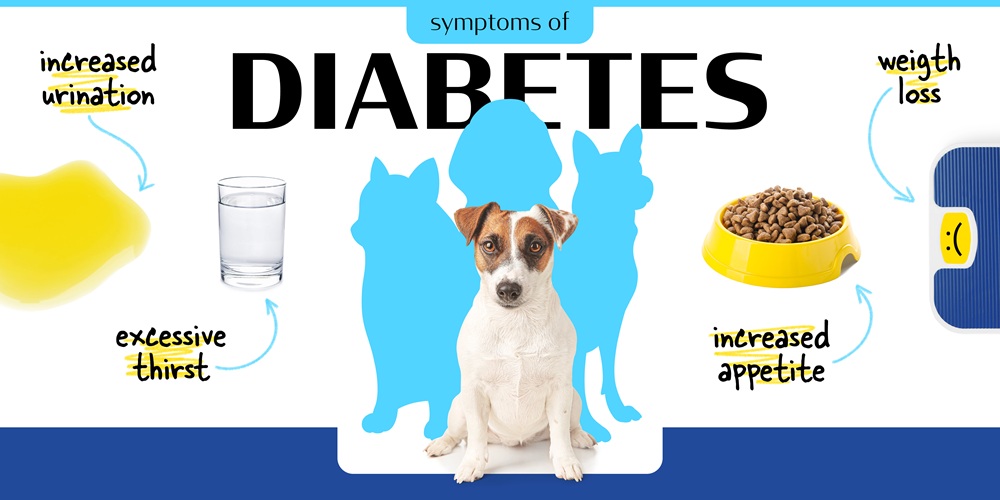
Learning that a beloved dog has diabetes and is experiencing symptoms such as vomiting, abnormal panting, or extreme weakness, or even serious complications, many owners feel panicked and overwhelmed. This article provides an in-depth explanation of what diabetic ketoacidosis in dogs is, identifying early danger signals, and through correct care knowledge, helping owners make the right judgment at critical moments.
What Is Diabetic Ketoacidosis in Dogs?
Diabetic ketoacidosis in dogs is the most serious and potentially fatal acute complication of diabetes in dogs. When a dog's body severely lacks insulin, or cells do not respond to insulin, glucose cannot enter cells from the bloodstream to provide energy. To keep the body functioning, the liver begins to break down large amounts of fat as an alternative energy source, and in the process, acidic byproducts called "ketones" are produced. Usually, small amounts of ketones can be metabolized by the body, but if ketones accumulate too quickly, it causes blood pH to decrease, forming metabolic acidosis, triggering severe dehydration, electrolyte imbalance, and organ failure. Without timely emergency treatment, the risk of death will significantly increase.
Recognize the Signs of Diabetic Ketoacidosis in Dogs and Know When to Seek Veterinary Care
Diabetic ketoacidosis in dogs can progress rapidly. A dog that looks stable in the morning might fall into extreme weakness or a coma by evening. The following introduces several early symptoms; owners must closely observe changes in their dog's body.
Early Signs of Diabetic Ketoacidosis in Dogs
Before ketoacidosis occurs, dogs usually first exhibit typical diabetic problems. Because sugar cannot be absorbed and cells lack energy, the dog may show increased appetite, with a significant increase in appetite, yet weight continues to drop. Additionally, excessively high blood sugar is excreted through urine, taking away a large amount of water, causing the dog to urinate and drink water frequently. These are common signs of diabetic ketoacidosis in dogs.
Gastrointestinal Symptoms
When ketones begin to accumulate in large quantities in the body and the blood becomes acidic, the dog may show signs of gastrointestinal distress. A dog that originally had a hearty appetite may suddenly become anorexic or refuse to eat, and even experience severe vomiting and diarrhea. Once a diabetic dog shows symptoms of vomiting, the condition may have already worsened into diabetic ketoacidosis in dogs.
Respiratory Changes
To balance the excessively high acidity in the blood, the dog's breathing pattern will change, and Kussmaul respirations may appear, characterized by rapid, deep panting. This is a compensatory response as the body attempts to expel carbon dioxide to reduce acidity. Therefore, owners may smell an odor like nail polish remover or a sweet, fruity odor (acetone breath) in the dog's breath.
Lethargy
Due to diabetic ketoacidosis and cellular energy deficiency, dogs will become very weak and extremely lethargic. They will lose interest in their favorite toys or walks and may even lie down all day without wanting to move, responding slowly to external stimuli. Some dogs may also experience hind limb weakness and an unsteady gait; if the condition worsens to the point where they cannot stand, they must be sent for medical treatment immediately.
Signs of Dehydration
Frequent urination and vomiting will cause the body to rapidly lose large amounts of water and electrolytes. Owners can observe the dog's skin; if the skin over the neck and shoulders is gently lifted and recovers very slowly after being released, or if the dog is found to have sunken eye sockets and dry gums without saliva, these are all signs of severe dehydration. Dehydration will further worsen the metabolic function of the kidneys, making it difficult to eliminate toxins.
Cardiovascular Complications
When the condition progresses to the late stages of diabetic ketoacidosis in dogs, severe dehydration and electrolyte imbalance will cause the cardiovascular system to collapse. Dogs may experience arrhythmias, a sharp drop in blood pressure, and shock. At this time, the brain will also be affected, triggering seizures and confusion, eventually leading to a coma. If the condition reaches this stage and emergency treatment is not performed immediately, the risk of fatality is extremely high.
Causes of Diabetic Ketoacidosis in Dogs: Why Proper Care Matters
Understanding the causes of diabetic ketoacidosis in dogs can help owners avoid triggers that may cause a crisis, allowing the dog's condition to be maintained within a stable range and preventing acute complications from occurring.
Abnormal Blood Glucose Regulation
The most fundamental cause of diabetic ketoacidosis in dogs is an absolute or relative deficiency of insulin. This usually occurs in dogs that have never been diagnosed with diabetes, or in those that have already been diagnosed but have poorly controlled blood glucose, where the owner forgets to administer insulin, or where the insulin does not meet the body's needs. When glucose cannot be utilized normally, the body is forced to break down fat, triggering ketoacidosis.
Impact of Concurrent Diseases
In addition to simple insulin issues, the physical stress brought by other concurrent diseases will promote the secretion of diabetogenic hormones such as adrenaline and cortisol. Common triggering diseases include pancreatitis, Cushing's syndrome, kidney failure, pyometra, or inflammatory reactions such as periodontal disease and urinary tract infections, all of which will further exacerbate hyperglycemia and trigger ketoacidosis.
How Is Diabetic Ketoacidosis in Dogs Treated at a Veterinary Hospital?
Diabetic ketoacidosis in dogs is an endocrine emergency that requires admission to the intensive care unit. Hospitalization usually takes 3 to 7 days, until the dog’s clinical indicators return to stable levels and it can eat on its own.
1. Insulin Control
Veterinarians will inject short-acting insulin intravenously or intramuscularly to help glucose enter the cells, lowering blood glucose concentration in a slow, stable manner. The most important purpose of giving insulin is to stop continued fat breakdown, reducing ketone production and reversing the state of diabetic ketoacidosis in dogs.
2. Electrolyte Balance
With the excretion of large amounts of urine and the therapeutic effects of insulin, potassium and phosphorus ions in the body will be lost in large quantities or rapidly shifted into cells. Because hypokalemia and hypophosphatemia can trigger fatal heart and muscle problems, veterinarians will frequently draw blood for monitoring and supplement potassium and phosphorus in intravenous fluids to maintain electrolyte balance in the body.
3. Restoring Blood Circulation
To address the severe dehydration and shock issues of diabetic ketoacidosis in dogs, it is usually necessary to administer appropriate intravenous fluid therapy. This not only rapidly replenishes lost fluids but also helps dilute excessive sugar and ketone bodies in the blood, improving peripheral blood circulation and promoting the kidneys to excrete toxins from the body.
4. Treating Other Complications
If examinations reveal that diabetic ketoacidosis in dogs is caused by other hidden concurrent diseases, such as urinary tract bacterial infections, acute pancreatitis, or pyometra in unspayed female dogs, antibiotics, anti-inflammatory drugs, or surgical procedures must be arranged simultaneously for treatment. If the underlying inflammation and infection are not resolved, blood glucose levels may remain unstable.
Home Care and Prevention Tips for Diabetic Ketoacidosis in Dogs!
When a dog is successfully discharged from the hospital, daily home management is the most important factor in preventing disease recurrence. Owners should strictly follow veterinary advice to stabilize the condition of diabetic ketoacidosis in dogs.
Managing Diet and Maintaining Regular Exercise
Dietary management is crucial for stabilizing postprandial blood sugar. It is recommended to choose foods containing appropriate amounts of soluble and insoluble fiber, which can slow down the rate of sugar absorption in the gastrointestinal tract and prevent blood sugar from experiencing drastic fluctuations. Owners must feed at regular times and in fixed amounts, so that feeding times and the duration of insulin action coordinate with each other. In addition, moderate and regular walking exercise every day can help dogs maintain an ideal weight and improve the body's sensitivity to insulin.
Administering Insulin as Prescribed
If a dog requires insulin injections, owners must never adjust the insulin dosage or stop the medication on their own; every injection must be performed correctly. if the dog vomits, has a loss of appetite, or completely refuses to eat, please call the veterinarian immediately to confirm whether the insulin injection is needed for that meal, to avoid triggering a fatal hypoglycemia crisis.
Regularly Monitoring Blood Glucose Changes
Establishing home monitoring habits can reduce the owner's anxiety and provide an important reference for the veterinarian to adjust diabetes management medications. You can prepare a dedicated animal blood glucose monitor or urine test strips to keep track of the dog's physical changes.
Although urine ketone test strips are easy to operate, they measure ketone bodies that are excreted only after being metabolized in the body for a period, and the values are easily affected by the dog's water intake and urine concentration. If the primary ketone component in the blood, β-hydroxybutyrate (BHB), can be detected, it can accurately reflect the dog's current true metabolic state and the risk of ketoacidosis, compensating for the lack of clinical timeliness of urine test strips.
〈Related Articles: Is Your Pet Diabetic? Learn How a Pet Blood Glucose Meter Can Help〉
Home Monitoring Checklist for Diabetic Ketoacidosis in Dogs
| Monitoring Item | Operation Method | When to Contact a Veterinarian? |
|---|---|---|
| Home Blood Glucose and Blood Ketone (BHB) Monitoring | Use a lancet to collect a drop of blood from the dog's ear margin, inner lip, or paw pad. Apply the blood to a blood glucose/ketone meter for testing. It is recommended to record the daily changes in values before and after meals. | If blood glucose remains consistently above the normal range, or suddenly drops below 60 mg/dL with symptoms of trembling or weakness; if blood ketone exceeds 2.4 mmol/L, immediate medical attention is also required. |
| Urine Ketone Test Strip Testing | When the dog is urinating, use a clean paper cup to collect a small amount of urine. Dip the urine ketone test strip into the urine and compare the color change with the chart on the packaging. | Once the test strip shows the presence of ketones in the urine (a positive reaction), it means that diabetic ketoacidosis may be occurring in the dog. |
General Life Biotechnology SANcheck, helping you monitor your pet’s blood glucose changes in daily life
General Life Biotechnology’s SANcheck brand offers diagnostic tools specifically designed for veterinary use, dedicated to providing veterinarians and pet owners with accurate monitoring data. It is ISO 13485 certified and has obtained product certifications from multiple countries, including CE, TFDA, and NMPA.
Among them, the SANcheck SweePaw Blood Glucose Monitoring System and the SANcheck ABEL Vet GK+ Blood Glucose and β-Ketone (BHB) Monitoring System are home monitoring systems designed for pet diabetes. Professionally calibrated, they can be used for both dogs and cats. The GK+ model can detect blood glucose, blood ketones, and lactate, meeting various needs.
This allows owners to easily and with low stress measure their pet's blood glucose at home, eliminating the need for frequent hospital visits. It is a powerful assistant for the long-term home care of diabetic cats and dogs.
〈Product Recommendation: SANcheck SweePaw Blood Glucose Monitoring System〉
〈Product Recommendation: SANcheck ABEL Vet GK+ Blood Glucose and β-Ketone (BHB) Monitoring System〉
Frequently Asked Questions About Diabetic Ketoacidosis in Dogs
Q1. How Long Can a Dog With Diabetes Live?
If the critical stage of diabetic ketoacidosis in dogs has passed, followed by correct dietary control, regular insulin injections, and periodic blood glucose monitoring, most dogs can have a lifespan and quality of life like normal dogs. The key lies in preventing the occurrence of acute complications such as ketoacidosis and maintaining close cooperation with a veterinarian.
Q2. Why Does a Diabetic Dog’s Breath Smell Sweet?
If a diabetic dog's breath carries a sweet smell like nail polish remover or fermented fruit, it is usually the acetone smell caused by ketoacidosis. Once this odor is detected, and the dog is accompanied by symptoms such as lethargy or vomiting, be sure to immediately take the dog to the emergency room for an examination.
Q3. Can Diabetic Ketoacidosis Recur After Treatment?
Dogs can recover from diabetic ketoacidosis with appropriate treatment. If diabetes is not well-controlled, or if the dog subsequently develops serious infections and inflammatory diseases, ketoacidosis may be triggered again. Therefore, observing the dog's water intake, appetite, mental state, and blood glucose changes daily, and returning for regular check-ups, is the most effective way to prevent recurrence.
Conclusion
Although diabetic ketoacidosis in dogs is life-threatening, it is not uncontrollable. By recognizing early warning signs and learning home blood glucose monitoring, you can protect your dog's life at the first opportunity. Caring for a diabetic dog is a long-term endurance race; fighting diabetes long-term requires the owner's patience and suitable tools. With the assistance of the General Life Biotechnology SANcheck SweePaw Blood Glucose Monitoring System and close cooperation with a veterinarian, your pet can still lead a happy and joyful life. If you have any needs, please contact us to make home care more reassuring.
〈Related Articles: What is the In Vitro Diagnostic Regulation (IVDR)? Safer and More Reliable Health Testing〉
References
2018 AAHA Diabetes Management Guidelines for Dogs and Cats(AAHA)
Diabetes Ketoacidosis and Hyperosmolar Hyperglycemic Syndrome in Companion Animals(National Library of Medicine)
Diabetic Ketoacidosis in Dogs: An Urgent Care Guide(Garden State Veterinary Specialists)
Diabetic Ketoacidosis in Dogs(VCA animal hospitals)
The Acute Patient Physiologic and Laboratory Evaluation Score and Other Prognostic Factors in Dogs With Diabetic Ketoacidosis(Wiley Online Library)
Diabetic Ketoacidosis: Causes, Recognition, and Treatment(Today’s Veterinary Nurse)
狗狗糖尿病酮酸中毒:狗狗糖尿病最危險併發症,症狀、診斷與治療方式一次看(PETHEALTH)
狗狗也會得糖尿病?飼主必知的 8 大症狀與日常照護全攻略(Fluv 毛小愛)

General Life Biotechnology
We are the experts behind General Life Biotechnology, a proud member of the Compal Group since 1999. With over 20 years of experience in the medical device field, our diverse team of biotech specialists, engineers, and health educators is committed to making home health testing accurate and accessible.
We are the creators of the BeneCheck and SANcheck systems, trusted globally with ISO 13485, CE, TFDA, and FDA approvals.
Here on our blog, we translate complex medical data into practical advice. Whether you are managing diabetes, monitoring cholesterol, or checking your pet’s health, we provide the professional knowledge you need to track your numbers with confidence. Our mission is to use our technology to help you—and your pets—live healthier, happier lives.
Areas of Expertise:
Chronic Disease Management
IVD Technology & Innovation
At-Home Health Monitoring
Veterinary Preventive Medicine
Our Standards:
ISO 13485 Certified
GMP Compliant
Article Classification
Recent Articles
- Diabetic Ketoacidosis in Cats Treatment and Prevention Guide
- Pet Insulin Treatment: Careful Management of Diet, Exercise, and Blood Glucose Changes
- What Are the Symptoms of Diabetic Ketoacidosis in Dogs? Learn How to Monitor Your Dog’s Health Daily.
- Equine Infectious Anemia (EIA): Symptoms, Diagnosis, and Prevention
- The Importance of Equine Bloodwork: Tests, Fees, and Procedure Explained