
ARTICLES
A healthy life begins with regular check-ups.

- Home
- Articles
- Veterinary
- Pet Insulin Treatment: Careful Management of Diet, Exercise, and Blood Glucose Changes
Pet Insulin Treatment: Careful Management of Diet, Exercise, and Blood Glucose Changes
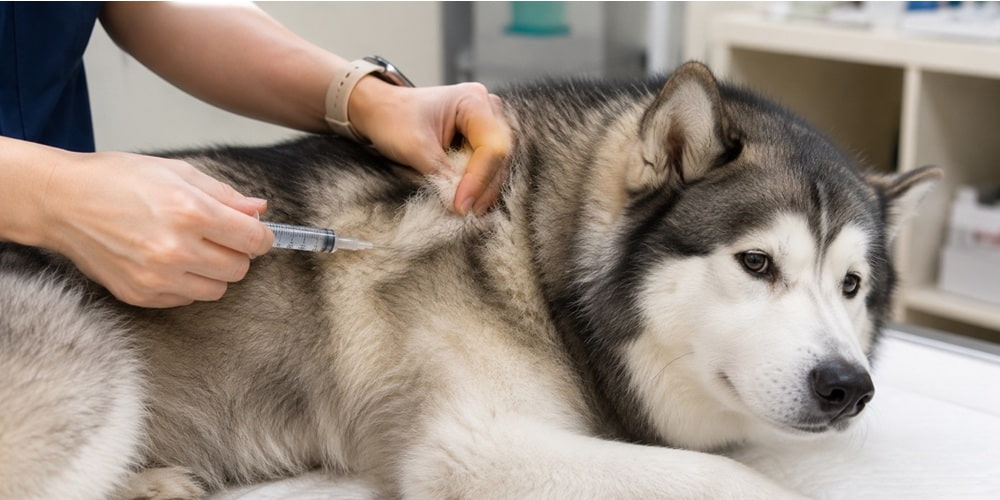
Diabetes in pets is not uncommon, especially in overweight middle-aged and senior dogs and cats that lack exercise or have underlying endocrine diseases, increasing the risk of blood glucose imbalance. When tissue cells cannot effectively utilize glucose in the blood, excess sugar continues to accumulate in the bloodstream, and pets will exhibit typical symptoms such as excessive drinking, excessive urination, weight loss, or muscle wasting. In fact, if you understand pet insulin types and correct administration methods, daily care is not as difficult as it may seem.
What Is Pet Insulin? A Primary Treatment for Managing Diabetes
Glucose is the energy source that maintains the function of animal cells, and insulin is a hormone secreted by the pancreas responsible for helping glucose move from the blood into cells to be converted into usable energy. When a pet suffers from diabetes, either the body does not produce enough insulin or cells become resistant to insulin, causing glucose to be unable to enter the cells and remain in the blood. Injecting exogenous pet insulin can help blood glucose return to a stable range. Medication is only one part of the treatment; strict dietary control and regular exercise are equally important aids in improving insulin sensitivity and maintaining stable blood glucose.
Is Pet Insulin Different for Dogs and Cats?
The causes of diabetes in dogs and cats are not the same. Most dogs have Type 1 diabetes, primarily caused by damage to the β-cells in the pancreas responsible for producing insulin, making them unable to secrete enough insulin. Therefore, most diabetic dogs require lifelong insulin injections.
Cats, on the other hand, mostly have Type 2 diabetes. The pancreas itself still can secrete insulin, but the cells' response to insulin becomes poor, which is known as "insulin resistance." Under the evaluation and guidance of a veterinarian, some diabetic cats may achieve diabetic remission and even temporarily stop relying on medication if they can strictly control their diet and successfully lose weight.
〈Related Articles: What Are the Symptoms of Diabetic Ketoacidosis in Dogs? Learn How to Monitor Your Dog’s Health Daily.〉
Common Types of Pet Insulin: Following Veterinary Instructions Is Essential
There are currently many types of pet insulin used for dogs and cats, mainly distinguished by the duration of action and the source of the drug. Veterinarians will choose the most suitable type of insulin based on the pet's species, weight, metabolic rate, and dietary habits.
Insulin Glargine (Glargine)
Glargine is a synthetic long-acting pet insulin, with the common brand name Lantus. It is slowly and steadily absorbed after subcutaneous injections, without a pronounced peak of action, helping maintain stable blood glucose levels. Glargine is a very common choice in feline diabetes treatment.
Porcine Insulin Zinc Suspension
This is an intermediate-to-long-acting porcine-derived insulin. A common brand is Caninsulin, which is the first insulin licensed for treating diabetes mellitus in both dogs and cats. Its molecular structure is identical to the natural insulin in dogs, providing good biocompatibility. It is gradually absorbed after subcutaneous injection, with an effective duration of approximately 12 hours, making it suitable for a treatment regimen of one injection each morning and evening.
PZI Protamine Zinc Insulin
PZI (Protamine Zinc Insulin), commonly branded as ProZinc, is a long-acting insulin with an effect duration of 18 to 24 hours, providing longer-term blood glucose control. PZI pet insulin is suitable for dogs and cats that require long-term glucose stabilization or have responded poorly to other types of insulin.
Pet Insulin Injection Steps: Correct Administration for Maximum Efficacy
It is normal for owners who are new to insulin injections to feel nervous. However, pet insulin needles are very fine; if the technique is correct, most pets will feel almost no pain. Before attempting it yourself, be sure to have a veterinarian or veterinary assistant provide a hands-on demonstration. Once you are confident in the technique, you can begin administering it yourself.
Step 1. Feed Your Pet Before Insulin Injection
The glucose-lowering effect of insulin must match the speed of food digestion and absorption. The most recommended sequence is to let the pet finish their main meal, then immediately inject the insulin. When insulin begins to take effect, there will be sufficient glucose in the body to be utilized, which helps avoid hypoglycemia caused by injecting on an empty stomach.
Step 2. Prepare the Insulin
After washing your hands, take out the vial. Do not shake the vial vigorously. Some types of pet insulin contain suspended crystals; vigorous shaking can damage the protein structure and may create air bubbles, affecting dosage accuracy. The correct method is to place the vial between your palms and roll it gently several times until the suspension is evenly mixed.
Step 3. Disinfect the Vial Stopper with an Alcohol Swab
Before each dose is drawn, use a fresh alcohol swab to wipe the rubber stopper of the vial. After wiping, wait for the alcohol to evaporate completely before inserting the needle.
Step 4. Draw the appropriate dose of insulin for injection
Invert the vial, insert the sterile needle into the rubber stopper, and slowly pull the plunger to draw the dose instructed by the veterinarian. After drawing, gently tap the syringe to expel any air bubbles. The injection site is usually chosen from the subcutaneous areas on either side of the back, from behind the shoulder blades to in front of the hip bones. Gently pinch the skin with your thumb and index finger to form a "tent-like" space, insert the needle quickly at a 45-degree angle under the skin, push the liquid in steadily, and then withdraw the needle. Once administered, dispose of used needles in a proper sharp’s container; do not reuse the needle.
Correct Storage Methods for Pet Insulin!
Most pet insulins are very sensitive to temperature and need to be stored at 2–8°C. Before each use, it is recommended to check the state of the liquid. If a normally clear liquid becomes cloudy, or if a suspension-type medication develops clumps or foreign matter that cannot be mixed, it means the medication may have degraded and should be discontinued immediately.
Additionally, the expiration date of insulin after opening varies by brand. Be sure to replace it with new medication within the timeframe specified by your veterinarian and do not exceed the expiration date.
My Pet Looks Strange After Receiving Pet Insulin. What should I do?
During the process of administering insulin, the biggest concern for owners is their pet experiencing hypoglycemia. When the glucose concentration in the blood drops too low, the brain cannot function normally due to a lack of sufficient energy. Once abnormal reactions are observed in the pet, immediate action should be taken, and veterinary care should be sought.
Observe for Symptoms of Hypoglycemia
Early symptoms of hypoglycemia include extreme hunger, restlessness, body tremors, and unsteady gait. If not treated in time, it can quickly worsen into glazed eyes, weakness in limbs, twitching, seizures, or even coma. At this time, absolutely do not force-feed solid food to avoid choking. Immediately apply honey, syrup, or high-concentration glucose water to the pet's gums, tongue, or oral mucosa to allow the sugar to be absorbed quickly through the mucosa and take your pet to a veterinary hospital for emergency care immediately.
Improper Storage of Pet Insulin
If the pet’s diet and medication schedule are normal, but blood glucose remains consistently high, and the pet frequently shows symptoms of excessive eating, drinking, and urination, please first check if the pet insulin has been exposed to excessive heat or freezing temperatures, affecting its efficacy. If the appearance of the medication shows abnormal clumping, please replace it with a new bottle of pet insulin.
Improper Pet Insulin Injection
During injection, if the subcutaneous space is not pinched up, or if the needle accidentally pierces through the skin on the other side (commonly known as a "through-and-through injection"), the insulin will leak directly onto the pet's fur. If you smell medication on the fur or feel liquid flowing out, do not give a second injection at that moment, as it is impossible to determine how much insulin was delivered. For any questions, it is recommended to directly go to a veterinary hospital to seek professional advice.
Pet Insulin FAQs
Q1. Why do pets need insulin injections?
When a pet suffers from diabetes, the body cannot secrete enough insulin, or the cells develop resistance to insulin, resulting in glucose in the blood being unable to enter cells to be converted into energy. Administering insulin helps glucose enter cells smoothly, solving the problem of insufficient energy acquisition. It is a treatment method to maintain the pet's life and vitality.
Q2. Where should pet insulin be injected?
The recommended injection sites are on both sides of the pet's back, ranging from behind the shoulder blades to the subcutaneous fat layer in front of the hip bones. To avoid hardening of subcutaneous tissue or scarring, which affects drug absorption, it is recommended to rotate different injection points every day and not always inject them in the same spot.
Q3. What is the best time to inject pet insulin?
The recommended time to inject pet insulin is after the pet has finished a main meal. This allows the insulin to start its glucose-lowering effect just as the digestive system is converting food into glucose and releasing it into the bloodstream, preventing the occurrence of hypoglycemia.
Q4. Do Insulin Injections Hurt Pets?
Animal-specific pet insulin needles are very thin, and since the injection site is the subcutaneous fat layer where nerve distribution is sparse, most dogs and cats will feel almost no obvious pain if the technique is correct and the needle is inserted steadily. They can quickly adapt to the daily injection routine.
General Life Biotechnology SANcheck Blood Glucose Monitoring System, allowing you to track your pet's blood glucose changes daily!
General Life Biotechnology's SANcheck brand has designed blood glucose monitoring equipment specifically for pets. It is easy to operate, provides rapid testing and accurate results. With only a small amount of capillary blood, owners can easily record their pet's blood glucose changes at home, reducing the stress of frequent trips to the veterinary hospital.
Furthermore, by recording a complete blood glucose curve, it provides veterinarians with a clear reference when adjusting insulin dosages. General Life Biotechnology currently offers two products, namely the SANcheck SweePaw Blood Glucose Monitoring System and the advanced SANcheck ABEL Vet GK+ Blood Glucose and β-Ketone (BHB) Monitoring System, which can monitor both blood glucose and ketones, suitable for diabetes monitoring and dairy cow ketosis screening.
〈Product Recommendation: SANcheck SweePaw Blood Glucose Monitoring System, SANcheck ABEL Vet GK+ Blood Glucose and β-Ketone (BHB) Monitoring System〉
〈Related Articles: Is Your Pet Diabetic? Learn How a Pet Blood Glucose Meter Can Help〉
General Life Biotechnology Blood Glucose Monitoring System Comparison Table
| Item | SANcheck SweePaw Blood Glucose Monitoring System | SANcheck ABEL Vet GK+ Blood Glucose and β-Ketone (BHB) Monitoring System |
|---|---|---|
| Primary Use | Specifically designed for pet blood glucose monitoring | Can measure both blood glucose and ketones (BHB); suitable for diabetes monitoring in dogs and cats and ketosis screening in dairy cows. |
| Test Items | Blood Glucose | Blood Glucose and Ketone |
| Target Audience | Pets such as cats and dogs | Dogs, cats, and dairy cows |
| Usage Scenarios | Monitoring pet blood glucose at home or in veterinary clinics to reduce fluctuations caused by stress. | Scenarios require simultaneous monitoring of blood glucose and ketones, such as diabetes tracking or dairy cow ketosis management. |
| Product Positioning | Single blood glucose monitoring model | Dual-function device |
(Swipe left or right to view the full table.)
〈Related Articles: Ketosis in Cows: A Complete Guide to Symptoms, Prevention, and Testing〉
〈Related Articles: What Happens When Ketone Levels Are High? Understanding DKA Symptoms and Daily Monitoring〉
Conclusion
A diagnosis of diabetes in a pet does not mean their quality of life will deteriorate. As long as you establish correct care concepts, administer pet insulin regularly according to a veterinarian's instructions, and maintain a stable diet and exercise routine, your pet can still live a happy and stable life. If you wish to more accurately monitor your pet's physical condition in daily life, the blood glucose monitoring systems from General Life Biotechnology can help you quickly understand your pet's current blood glucose status, making care more grounded and reassuring. Click to learn more for more product information.
References
What is insulin?(VCA animal hospital)
Insulins commonly used in dogs and cats(AAHA)
HOW TO ADMINISTER INSULIN TO YOUR DOG(AAHA)
HOW TO ADMINISTER INSULIN TO YOUR CAT(AAHA)
Insulin for Dogs: A First-Choice Treatment for Canine Diabetes(GoodRx)
Insulin For Dogs and Cats: What Is It and How to Give Your Pet a Shot(PetMD)
Efficacy of Protamine Zinc Recombinant Human Insulin for Controlling Hyperglycemia in Dogs with Diabetes Mellitus(JVIM)
Insulin Administration in Dogs(Veterinary Partner)
Treatment of Diabetes Mellitus(TVH)
Glycemic Control of Hospitalized Diabetic Patients(NAVC)
寵物使用的胰島素有哪些不同種類?(VEC.VETHK)
胰島素是什麼?毛孩糖尿病照護重點(Love Cat)
貓咪胰島素怎麼打?獸醫師教你 8 步驟正確施打(Dog Cat Star)

General Life Biotechnology
We are the experts behind General Life Biotechnology, a proud member of the Compal Group since 1999. With over 20 years of experience in the medical device field, our diverse team of biotech specialists, engineers, and health educators is committed to making home health testing accurate and accessible.
We are the creators of the BeneCheck and SANcheck systems, trusted globally with ISO 13485, CE, TFDA, and FDA approvals.
Here on our blog, we translate complex medical data into practical advice. Whether you are managing diabetes, monitoring cholesterol, or checking your pet’s health, we provide the professional knowledge you need to track your numbers with confidence. Our mission is to use our technology to help you—and your pets—live healthier, happier lives.
Areas of Expertise:
Chronic Disease Management
IVD Technology & Innovation
At-Home Health Monitoring
Veterinary Preventive Medicine
Our Standards:
ISO 13485 Certified
GMP Compliant
Article Classification
Recent Articles
- Diabetic Ketoacidosis in Cats Treatment and Prevention Guide
- Pet Insulin Treatment: Careful Management of Diet, Exercise, and Blood Glucose Changes
- What Are the Symptoms of Diabetic Ketoacidosis in Dogs? Learn How to Monitor Your Dog’s Health Daily.
- Equine Infectious Anemia (EIA): Symptoms, Diagnosis, and Prevention
- The Importance of Equine Bloodwork: Tests, Fees, and Procedure Explained