
ARTICLES
A healthy life begins with regular check-ups.

- Home
- Articles
- Total cholesterol
- What Are the Signs of Cardiovascular Disease? Causes, Symptoms, and Prevention Tips
What Are the Signs of Cardiovascular Disease? Causes, Symptoms, and Prevention Tips
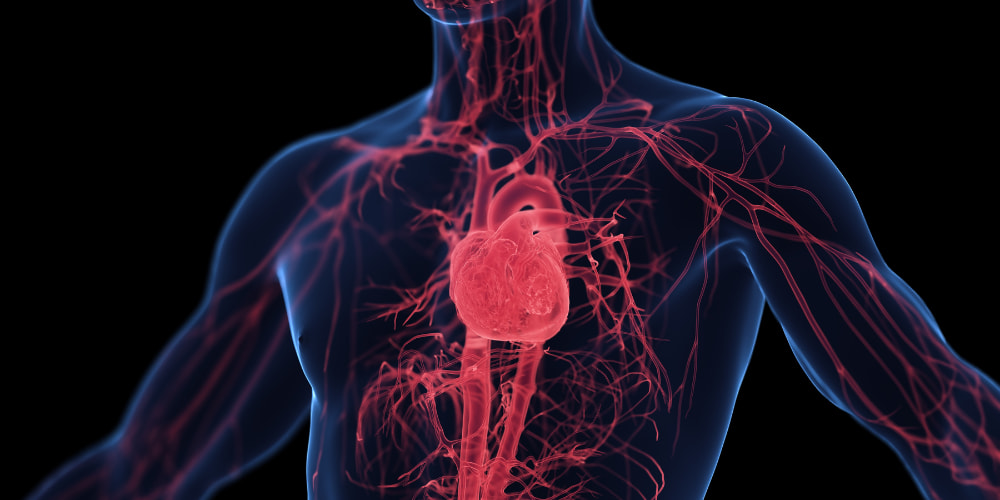
As they age, many people begin to notice that their blood pressure and blood lipid levels on health checkup reports have changed and start to worry about their own cardiovascular health or that of their older family members. In fact, cardiovascular disease has always been a major global health issue, and many people experience almost no obvious symptoms in the early stages and often do not realize something is wrong until symptoms appear. This article will give you a quick overview of the causes, common symptoms, and prevention methods of cardiovascular disease, helping you establish basic concepts and manage your health early.
What Is the Cardiovascular System?
The cardiovascular system is part of the circulatory system and is mainly composed of the heart and blood vessels. Blood vessels are further divided into arteries, veins, and capillaries, responsible for delivering blood to various parts of the body; the heart then beats continuously to send blood containing oxygen and nutrients through the blood vessels to organs and tissues throughout the body, while also carrying away waste produced by the body. The cardiovascular system is key to maintaining normal body function; if any part fails, it may affect overall health.
How does cardiovascular disease develop?
Cardiovascular disease (CVD) is a general term for problems occurring in the heart or blood vessels. The most common cause is the gradual accumulation of fat and cholesterol in the blood vessels, forming plaques that narrow and harden the vessels, leading to poor blood flow. Cardiovascular disease may also occur when the heart’s structure or function is abnormal, causing a decrease in blood supply capacity. When blood circulation is obstructed, various organs cannot obtain sufficient oxygen and nutrients, leading to various health problems; in severe cases, it may suddenly result in myocardial infarction or stroke.
According to the World Health Organization (WHO), cardiovascular disease causes approximately 17.9 million deaths annually, accounting for 32% of global deaths, making it one of the leading causes of death worldwide.
〈Extended Reading: What Are the Heart Attack Symptoms? Learn the Causes, Signs, and First Aid Steps!〉
4 Major Risk Factors for Cardiovascular Disease and High-Risk Groups
The risk of cardiovascular disease usually increases over time due to accumulated risk factors, such as high blood pressure, diabetes, and high blood lipids, especially when combined with smoking, obesity, lack of exercise, an irregular lifestyle, or aging and family history, all of which increase the risk. Some people experience chest tightness, chest pain, shortness of breath, or extreme fatigue before disease onset, but others may have a sudden attack with almost no obvious signs.
〈Extended Reading: What Is Diabetes? From Symptoms to Blood Glucose Control〉
〈Extended Reading: What Happens When Ketone Levels Are High? Understanding DKA Symptoms and Daily Monitoring〉
Four Common Risk Factors
-
Hypertension: When blood pressure exceeds 140/90 mmHg for a long time, blood vessels are constantly under high pressure, making them prone to damage over time and increasing the risk of arteriosclerosis.
-
Hyperlipidemia: When blood cholesterol is too high, fat gradually accumulates on the inner walls of blood vessels, forming plaques and causing narrowing or blockage of the vessels.
-
Hyperglycemia: Long-term high blood sugar accelerates vascular aging and increases the risk of cardiovascular disease; this is especially important for people with diabetes to note.
-
Smoking: Tobacco affects vascular endothelial function, making blood clots more likely to form and increasing the risk of myocardial infarction or stroke.
〈Extended Reading: What Are Normal Blood Sugar Levels in 2026? Learn About High/Low Blood Sugar Symptoms & the Importance of Testing!〉
Who Should Pay Special Attention to Cardiovascular Disease?
-
People with the "Three Highs" (high blood pressure, high blood lipids, and high blood sugar)
-
People who are overweight or obese
-
People with a family history of cardiovascular disease
-
People who lack exercise or have irregular daily routines
Cardiovascular Health Indicators Reference Table
| Recommended Control Targets | |
|---|---|
| Blood Pressure | Maintain blood pressure below 120/80 mmHg |
| Weight (BMI) | A healthy BMI is between 18.5 and 24. |
| Waist Circumference | Waist circumference for women should be less than 80 cm (31 inches), and for men should be no more than 90 cm (35 inches). |
What Are the Types of Cardiovascular Disease? None Should Be Ignored
Coronary Artery Disease (CAD)
Coronary artery disease (CAD) is one of the most common cardiovascular diseases. It primarily involves problems with the coronary arteries responsible for supplying blood to the heart. When blood vessels narrow or become blocked, the heart muscle may become deprived of oxygen or blood flow; in severe cases, this can cause myocardial damage or necrosis. A typical example is myocardial infarction, commonly known as a heart attack. During a heart attack, a person may feel chest tightness or pain, which may radiate to the left shoulder, arm, jaw, or back.
〈Extended Reading: Heart Attack Prevention: Spot the Symptoms and Master Daily Monitoring!〉
Cerebrovascular Disease (Stroke)
Cerebrovascular disease is what is commonly referred to as a stroke. It refers to abnormalities in the blood vessels supplying the brain, which may be due to a blockage (ischemic stroke) or a rupture causing bleeding (hemorrhagic stroke). If brain cells are deprived of oxygen for an extended period, irreversible damage can occur. Common warning signs include sudden weakness or numbness on one side of the face, arm, or leg, slurred speech, or difficulty expressing oneself. These symptoms usually occur very suddenly, and once they appear, immediate medical attention is required.
〈Extended Reading: Understanding Gout: Symptoms, Causes, Diet Tips, and Prevention Strategies〉
〈Extended Reading: High Uric Acid? Quick Tips on Symptoms and Effective Solutions!〉
Aortic Disease
Aortic dissection is a very dangerous and acute cardiovascular disease. Some people may experience sudden and severe chest or back pain, although some people have almost no obvious symptoms before an attack. The main cause is a tear in the inner layer of the aorta, allowing blood to enter between the vessel walls, which can further lead to vessel rupture, organ ischemia, or shock. It is a medical emergency that requires immediate medical attention.
Peripheral Artery Disease and Others
Peripheral artery disease primarily refers to the narrowing or blockage of arteries in the lower limbs due to atherosclerosis, and common symptoms include leg soreness and pain when walking, which subside after rest. In addition, there are many other types of cardiovascular system issues, including diseases related to heart structure or valves such as congenital heart disease and rheumatic heart disease, as well as deep vein thrombosis and pulmonary embolism.
These Physical Changes Might Be Warning Signs of Cardiovascular Disease
Sometimes, small changes in your body may actually be warning signs of cardiovascular issues. For instance, frequently feeling inexplicably fatigued, getting short of breath with slight activity, or experiencing persistent dizziness, nausea, or even cold sweats are all things to watch out for. Additionally, some people may experience sudden, rapid weight changes or feel depressed or anxious without a clear reason. If these conditions persist, it is recommended not to delay and to seek a check-up early for peace of mind.
3 Simple Habits to Improve Cardiovascular Health
Adjusting Daily Habits
To protect your cardiovascular health, you can start by gradually adjusting your daily habits. For example, aim for 30 minutes of activity 5 days a week; brisk walking, cycling, or dancing are all great options. The key is to get your body moving. Additionally, gradually reducing or quitting smoking and drinking will significantly benefit your vascular health. Finally, pay attention to your weight and waist circumference; keeping them within a normal range is much better for your cardiovascular system.
Maintaining a Healthy Diet
In terms of diet, try to eat lighter meals with less salt and oil to reduce the burden on your body. Eat plenty of vegetables and fruits daily to help replenish various nutrients. You can replace refined carbohydrates or refined grains with healthier options like oats, and for protein, choose cardiovascular-friendly ingredients like deep-sea fish and nuts. When cooking, you can also switch from regular cooking oil to olive oil, which is better for cardiovascular health.
Regular Data Monitoring
Regularly tracking your health data is actually very important, because issues like high blood lipids often have no obvious symptoms and are easily overlooked. Instead of waiting for physical problems to arise, it is better to develop a habit of regular measurement to detect abnormalities early and discuss adjustments with a doctor. You can follow the 722 Principle: measure for 7 consecutive days, once in the morning and once in the evening, and take 2 measurements each time (with a 1-minute interval) for more stable data.
For example, General Life Biotechnology has launched the BeneCheck Uni Total Cholesterol Monitoring System for cardiovascular health management. The device is compact and portable, allowing for basic cholesterol monitoring at home or on the go. The operation is straightforward, requiring only a small blood sample for testing, making the process less uncomfortable, and the product has passed relevant medical device certifications, providing greater peace of mind during use.
〈Click here to see more testing models〉
〈Extended Reading: High Cholesterol Danger? Learn the Normal Levels, Testing, and How to Lower It!〉
What You Should Know About Cardiovascular Disease
Is medication necessary for high blood pressure?
It is ideal to maintain blood pressure at approximately 120/80 mmHg. If your blood pressure is only slightly elevated, it is recommended to first adjust lifestyle habits, such as eating less salt, exercising more, controlling weight, and trying not to stay up late, to see if there is improvement. If blood pressure still does not come down, or if hypertension has already been diagnosed, you should take medication regularly according to a doctor's assessment to control blood pressure more stably and reduce the risk of cardiovascular diseases such as stroke and heart disease.
Can cardiovascular disease be completely cured?
Cardiovascular disease is often a chronic condition that develops over time. For example, arteriosclerosis is usually difficult to say that it can be completely reversed or cured. However, after a doctor's assessment, regular medication and surgery, if necessary, combined with a low-salt diet, regular exercise, smoking cessation, and weight control, many patients’ conditions can be stabilized, and the risk of stroke or myocardial infarction can be effectively reduced.
Are thin people also at risk for cardiovascular disease?
Yes, even if you don't look overweight, you may still be at risk for cardiovascular disease. Factors such as an unbalanced diet, almost no exercise, long-term high stress, or a family history can all increase the risk of cardiovascular disease. In addition to weight, indicators such as waist circumference, body fat, and lifestyle habits are also very important indicators to monitor.
Conclusion
From the above introduction to cardiovascular health, cardiovascular disease often does not have obvious symptoms in the early stages; by the time symptoms become noticeable, it may already be quite serious. Therefore, in addition to taking care of diet, exercise, and daily routine, regular tracking of body data is also very important. General Life Biotechnology provides a high-precision multi-monitoring system, allowing you to easily perform basic monitoring of blood glucose, uric acid, and total cholesterol at home. If you would like to learn more about our products or explore cooperation opportunities, please feel free to contact us.
References
Knowledge Action Portal on NCDs (WHO)
Cardiovascular diseases (CVDs) (WHO)
Cardiovascular Disease: Types, Causes & Symptoms (Cleveland Clinic)
Circulatory System (Cleveland Clinic)
What Is Cardiovascular Disease? (American Heart Association)
Cardiovascular disease (NHS)
Blood Pressure Control Relies on "722" - Regular Measurement for Peace of Mind (MOHW)

General Life Biotechnology
We are the experts behind General Life Biotechnology, a proud member of the Compal Group since 1999. With over 20 years of experience in the medical device field, our diverse team of biotech specialists, engineers, and health educators is committed to making home health testing accurate and accessible.
We are the creators of the BeneCheck and SANcheck systems, trusted globally with ISO 13485, CE, TFDA, and FDA approvals.
Here on our blog, we translate complex medical data into practical advice. Whether you are managing diabetes, monitoring cholesterol, or checking your pet’s health, we provide the professional knowledge you need to track your numbers with confidence. Our mission is to use our technology to help you—and your pets—live healthier, happier lives.
Areas of Expertise:
Chronic Disease Management
IVD Technology & Innovation
At-Home Health Monitoring
Veterinary Preventive Medicine
Our Standards:
ISO 13485 Certified
GMP Compliant