
ARTICLES
A healthy life begins with regular check-ups.

What Are the Heart Attack Symptoms? Learn the Causes, Signs, and First Aid Steps!
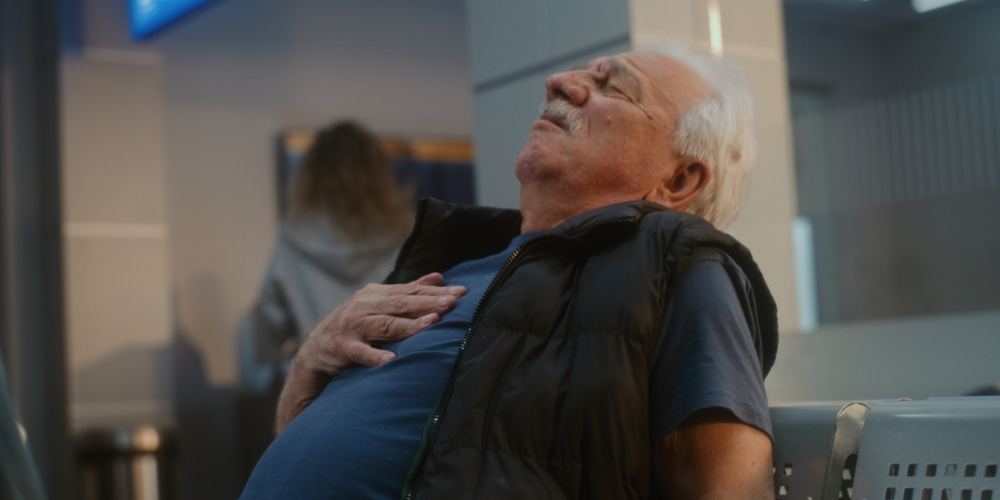
Myocardial infarction (heart attack) occurs very rapidly and is a highly fatal cardiovascular emergency. If abnormal bodily reactions can be detected in the early stages, medical assistance can be sought early, reducing the risk to life. This article compiles information related to cardiovascular obstruction, including causes, common heart attack symptoms, and emergency handling steps for sudden situations, helping you gain basic knowledge and response capabilities when facing emergencies.
〈Extended Reading: How to Use a Glucose Meter and Test Strips: Easily Manage Your Blood Sugar at Home!〉
What is Myocardial Infarction (Heart Attack)?
According to statistics from the World Health Organization (WHO), cardiovascular disease is the leading cause of death globally. Every year, an estimated 17.9 million to 19.8 million people die from cardiovascular diseases, of which more than 85% of deaths are caused by heart attacks (myocardial infarction) and strokes.
Myocardial infarction refers to the blockage of the coronary arteries that supply blood to the heart by a blood clot, leading to a sharp reduction or complete interruption of blood flow. When the heart muscle does not receive enough oxygen and nutrients, myocardial cells begin to die. When heart attack symptoms are severe, they can immediately trigger arrhythmia, shock, or even sudden death. Because the situation is extremely urgent when it occurs, patients must be rushed to the hospital as soon as possible to clear the blocked blood vessels through medication or surgery and restore blood flow to save their lives.
〈Extended Reading: Heart Attack Prevention: Spot the Symptoms and Master Daily Monitoring!〉
What Are the Causes of a Heart Attack? High-Risk Groups Need to Pay Extra Attention!
Heart attack symptoms are usually caused by the long-term accumulation of many unfavorable factors. The main cause is coronary atherosclerosis, which narrows the blood vessel walls. When fatty plaques in the blood vessels suddenly rupture, it triggers platelet aggregation to form a blood clot, directly blocking the vessel; another situation is coronary artery spasm, which leads to abnormal vascular contraction and blocks blood flow.
〈Extended Reading: High Uric Acid? Quick Tips on Symptoms and Effective Solutions!〉
Suffering from the "Three Highs"
High blood pressure, high blood sugar (diabetes), and high blood lipids are risk factors for triggering heart attack symptoms. Long-term high blood pressure can damage the inner walls of blood vessels and increase the burden on the heart; high blood sugar can cause vascular inflammation and lesions; cholesterol in high blood lipids is the main component of plaques, which accelerates the accumulation of fatty plaques in blood vessels. Therefore, for people with the "three highs," the probability of vascular obstruction is much higher than that of the general population, and strict control of values is required.
〈Extended Reading: What Happens When Ketone Levels Are High? Understanding DKA Symptoms and Daily Monitoring〉
Congenital Genetic Influence
Age and family history are unchangeable congenital risks. Generally, men over 45 and women over 55 have a higher probability of cardiovascular disease. If immediate relatives such as parents or siblings have a family history of premature heart disease, the probability of developing it yourself also increases. It is recommended to conduct regular check-ups and follow-ups to stay informed about your physical condition at all times.
〈Extended Reading: Anemia Guide: Symptoms, Causes, and How to Manage Your Hemoglobin Levels〉
Poor Lifestyle Habits
Daily lifestyle habits have a significant impact on heart health. Long-term smoking or inhaling second-hand smoke can damage arterial walls and accelerate plaque buildup. Lack of exercise, frequently staying up late, excessive stress, and a diet high in oil and salt, combined with excessive alcohol consumption and obesity, can all lead to dyslipidemia and increase the burden on the heart, further inducing the occurrence of heart attack symptoms.
〈Extended Reading: Understanding Gout: Symptoms, Causes, Diet Tips, and Prevention Strategies〉
Understand Heart Attack Symptoms and Seize the Golden Period for Medical Treatment!
Cardiovascular obstruction does not necessarily happen in an instant; the body usually sends out warning signals in advance. Understanding heart attack symptoms from different perspectives helps in early judgment and immediate medical consultation.
Typical Heart Attack Symptoms
Chest Pain / Chest Tightness
Chest pain and chest tightness are the most common heart attack symptoms. Patients will feel a strong sense of pressure, heaviness, or burning in the front of the chest or the left side of the chest. If it lasts for more than fifteen to twenty minutes and is not relieved after resting or taking nitroglycerin tablets, a heart attack should be highly suspected.
〈Extended Reading: Uric Acid Testing Made Simple: Prevent Gout Today〉
Persistent Pain or Radiating Pain
When heart attack symptoms occur, the pain usually does not just stay in the chest, but also spreads along the nerves to other parts of the body. The most common areas of extended pain include the left shoulder, upper back, neck, the inside of the left arm, and even the jaw.
Difficulty Breathing
When the heart's pumping function is abnormal, systemic blood circulation and oxygen supply will also deteriorate, and patients are prone to heart attack symptoms such as difficulty breathing and shortness of breath. This shortness of breath may appear after slight physical activity, and in severe cases, even while resting quietly and remaining completely still, breathing may feel significantly labored.
〈Extended Reading: Feeling Dizzy and Tired? Home Testing Makes Anemia Easy to Manage!〉
Systemic Symptoms
When the sympathetic nervous system is heavily stimulated, patients may experience systemic heart attack symptoms, such as sudden profuse cold sweats, accompanied by pale skin and cold hands and feet. These are often combined with dizziness, nausea and vomiting, or feeling extremely weak and fatigued, as if the whole body has no strength. These can all be the body's reaction to stress or cardiovascular issues, requiring high vigilance and immediate medical attention.
〈Extended Reading: Anemia Lab Values: Which Ones Should You Watch for Better Health Management?〉
Atypical Symptoms
Unexplained Pain in the Upper Abdomen, Jaw, or Teeth
Sometimes heart attack symptoms of pain do not appear in the chest, but rather in the upper abdomen between the breastbone and the navel, or simply as jaw pain and tooth pain. These atypical pain locations are easily mistaken for general gastrointestinal discomfort or dental disease; one must carefully observe whether there are other physical reactions such as cold sweats.
Unstable Heartbeat
Heart attack symptoms include an unstable heartbeat; patients will clearly feel abnormal heartbeats, palpitations, or find that their pulse has become extremely irregular. This indicates that the heart's rhythm has been affected by ischemia; if not handled in time, it can cause dizziness or fainting in severe cases.
〈Extended Reading: Monitoring Your Metabolic Health: Blood Ketone Meter and GKI Guide〉
Painless Heart Attack
Approximately thirty percent of patients do not feel obvious chest pain at the onset of the disease. Such painless heart attack symptoms are particularly likely to occur in the elderly and diabetic patients, who usually only feel general weakness, difficulty breathing, or suddenly lose consciousness and faint.
〈Extended Reading: What Is Diabetes? From Symptoms to Blood Glucose Control〉
Heart Attack Symptoms Comparison Table
|
Category |
Primary Symptoms | Key Observation Points |
|---|---|---|
|
Typical Symptoms |
Chest pressure or burning sensation |
Lasts for more than 15 minutes and cannot be relieved |
|
Radiating Pain |
Pain spreading to the left side of the body |
Commonly felt in the left shoulder, inner left arm, jaw, or back |
|
Systemic Reactions |
Cold sweats, pale complexion |
Accompanied by extreme weakness, nausea, vomiting, or dizziness |
|
Atypical Symptoms |
Toothache, stomach pain, or no pain |
Commonly seen in women, the elderly, and patients with diabetes |
Are Heart Attack Symptoms in Women Different?
There are indeed differences in how men and women experience a heart attack. While chest tightness and pain are common reactions for both sexes, female patients are more likely to experience atypical heart attack symptoms. When many women have an onset, they do not necessarily have severe chest pain; instead, they may exhibit unexplained shortness of breath, upper back pain, arm numbness, jaw pain, nausea and vomiting, or feel inexplicably extreme fatigue. Because these symptoms are not obvious enough, they are easily mistaken for general exhaustion or a cold, leading to delayed medical treatment. It is essential to pay special attention.
Essential First Aid Methods to Know When Heart Attack Symptoms Appear!
When encountering suspected heart attack symptoms, correct and rapid first aid measures can significantly reduce the risk of death. The following are emergency response methods you must know when chest pain occurs.
Stop Activity Immediately and Sit Down Slowly
When chest pain, shortness of breath, or other intense discomfort occurs, you must immediately stop all activities at hand. Find a safe place to sit down slowly or lie flat to rest; this can reduce the heart's oxygen consumption and burden, and also prevent fainting and injury due to a sudden drop in blood pressure.
Call Local Emergency Services
Immediately call emergency services to request an ambulance, clearly stating your location and the patient's heart attack symptoms, and let professional paramedics take over the situation and arrange for transport to the hospital. Never attempt to drive yourself or ride a vehicle to the hospital, to avoid suddenly losing consciousness during the journey and causing a serious traffic accident.
Loosen Tight Clothing
Loosen the patient's tie, collar buttons, belt, or overly tight undergarments to help keep the airway clear, reduce the sense of physical oppression, and allow breathing to become smoother.
Take Prescribed Medication if Available
If the patient has a history of cardiovascular disease and has physician-prescribed nitroglycerin sublingual tablets, during an acute onset of chest tightness, immediately place the tablet under the tongue (do not swallow) to help dilate blood vessels and buy time for medical transport, and call for an ambulance immediately. If the patient has low blood pressure or has recently taken erectile dysfunction medication, the use of sublingual tablets is strictly prohibited to avoid causing fatal severe hypotension.
Perform CPR if Unconscious
If the patient suddenly loses consciousness and is not breathing normally, bystanders should immediately perform CPR to maintain blood circulation. At the same time, ask people nearby to quickly obtain and use an Automated External Defibrillator (AED), following the device's voice instructions until paramedics arrive on the scene to take over.
Common Q&A on Heart Attack Symptoms!
Q1. Can a Heart Attack be Fatal?
Cardiovascular blockage is a highly fatal disease. When severe vascular blockage leads to myocardial hypoxia and necrosis, if medical treatment is not sought in time to clear the blood vessels, it is highly likely to trigger severe arrhythmia, shock, or even lead to sudden death in a short period of time.
Q2. Can a Heart Attack be Treated?
As long as heart attack symptoms are detected early and emergency medical treatment is sought immediately, the survival rate can be improved. Professional hospital teams will use cardiac catheterization to place stents to open up blood vessels, or perform coronary artery bypass surgery to restore blood supply to the heart. The earlier the blocked vessels are cleared, the less damage to the heart muscle, and the survival rate will significantly increase.
Q3. Can Staying Up Late Cause a Heart Attack?
Staying up late, lack of sleep, excessive fatigue, and long-term high stress can lead to unstable blood pressure and increase the probability of heart attack symptoms occurring. If the inner walls of the blood vessels already have issues with fatty plaque narrowing, staying up late is even more likely to be the final straw that triggers thrombosis and vascular blockage.
Q4. Why Do People Have Sudden Heart Attacks?
The main reason is that fatty plaques in the coronary arteries suddenly rupture, triggering a coagulation response in the body and forming a blood clot. The clot can completely block the blood vessel in a very short time, causing the heart to instantly lose its supply of blood and oxygen. This is why heart attack symptoms often strike quickly and urgently, leaving people defenseless.
Q5. How to Perform a Heart Attack Self-Test?
You can usually judge by observing whether several common heart attack symptoms have appeared recently, such as: persistent chest tightness for more than fifteen minutes, difficulty breathing, cold sweats without exercise, abnormal fatigue, nausea and vomiting, sudden dizziness, or pain extending to the upper abdomen, jaw, and left arm.
Being able to track changes in body data at any time in daily life is also one of the ways to prevent heart attack symptoms. General Life Biotechnology has launched the BeneCheck brand, providing high-quality in vitro diagnostic instruments, allowing you to easily measure important body values such as total cholesterol, blood glucose, and uric acid at home. BeneCheck in vitro diagnostic medical devices have also passed ISO 13485, CE, TFDA, NMPA, and many other international certifications. If you are worried about heart attack symptoms, we recommend the "BeneCheck Uni Total Cholesterol Monitoring System," which is lightweight and portable, allowing you to perform tests anytime, anywhere.
〈Product Recommendation: BeneCheck Uni Total Cholesterol Monitoring System〉
〈Extended Reading: What is the In Vitro Diagnostic Regulation (IVDR)? Safer and More Reliable Health Testing〉
Conclusion
Although cardiovascular obstruction occurs very suddenly, most people will experience heart attack symptoms such as chest pain, shortness of breath, abnormal fatigue, or cold sweats. In addition to controlling the "three highs"—high blood pressure, high blood sugar, and high blood lipids—and maintaining good lifestyle habits, it is even more important to be familiar with the manifestations of various heart attack symptoms and the correct first aid steps.
General Life Biotechnology's BeneCheck brand home testing products are easy to operate and provide accurate values, which can help you detect abnormalities early. Please click to learn more and join us in protecting the cardiovascular health of yourself and your family.
References:
Cardiovascular diseases(WHO)
Warning Signs of a Heart Attack(American Heart Association)
About Heart Attack Symptoms, Risk, and Recovery(CDC)
Heart Attacks: Symptoms, Risk Factors, and Treatment(Brown University Health)
Heart Attack(SCAI)
Heart attack(Mayo Clinic)
Heart Attack, Stroke and Cardiac Arrest Symptoms(AHA)
心肌梗塞是沈默的心臟殺手;「救心7行動」從日常做起!(MOHW)
預防三高 降低心肌梗塞風險(MOHW)
認識心肌梗塞(TYGH)
心肌梗塞快又急 出現疼痛徵兆要小心(TSGH)
心肌梗塞急救這3招才正確!(Hello醫師)
心肌梗塞症狀有哪些?預防心肌梗塞4件事要注意(康健)
心肌梗塞會好嗎?怎麼知道自己有沒有心肌梗塞?(早安健康)

General Life Biotechnology
We are the experts behind General Life Biotechnology, a proud member of the Compal Group since 1999. With over 20 years of experience in the medical device field, our diverse team of biotech specialists, engineers, and health educators is committed to making home health testing accurate and accessible.
We are the creators of the BeneCheck and SANcheck systems, trusted globally with ISO 13485, CE, TFDA, and FDA approvals.
Here on our blog, we translate complex medical data into practical advice. Whether you are managing diabetes, monitoring cholesterol, or checking your pet’s health, we provide the professional knowledge you need to track your numbers with confidence. Our mission is to use our technology to help you—and your pets—live healthier, happier lives.
Areas of Expertise:
Chronic Disease Management
IVD Technology & Innovation
At-Home Health Monitoring
Veterinary Preventive Medicine
Our Standards:
ISO 13485 Certified
GMP Compliant
Article Classification
Recent Articles
- What Is Prediabetes? Symptoms, Causes, and 4 Lifestyle Changes
- Diabetes Kit Preparation : A Complete List of Emergency Essentials and Daily Monitoring Tips
- Understand blood sugar tests, identify potential causes, and learn how to monitor your blood sugar correctly!
- Diabetes Symptoms & Causes of Diabetes: Early Signs, Causes, and Prevention Guide
- What Are the Heart Attack Symptoms? Learn the Causes, Signs, and First Aid Steps!