
ARTICLES
A healthy life begins with regular check-ups.

Anemia Lab Values: Which Ones Should You Watch for Better Health Management?
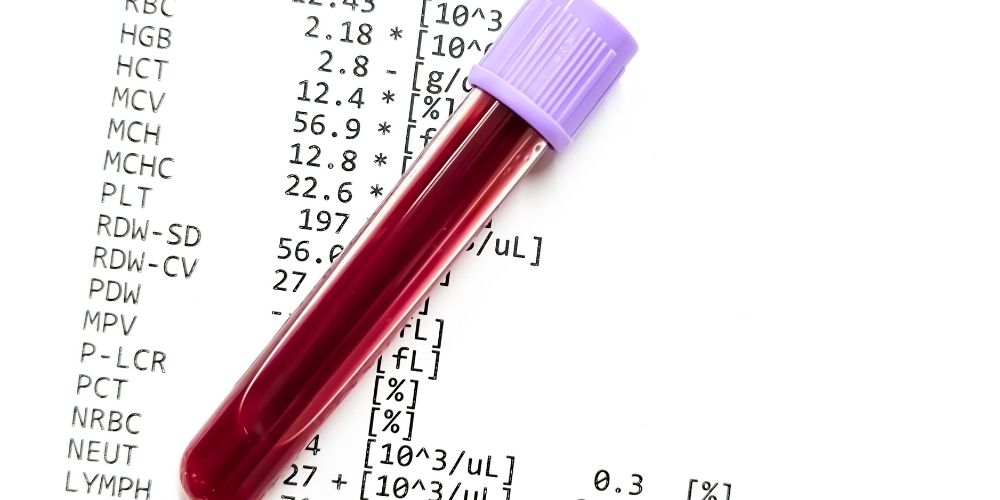
When you receive a blood test report, seeing the dense numbers and English codes can be confusing, leaving you unsure if you actually have anemia. In fact, by understanding a few key anemia lab values, you can gain a preliminary understanding of your blood health. This article will introduce what the anemia lab values are and the benefits that regular home testing brings to health management.
What Are Anemia Lab Values?
The anemia lab values on a test report are a collective term for various data in a blood test used to evaluate red blood cell count, size, and oxygen-carrying capacity. Red blood cells are like delivery workers in the body, responsible for transporting oxygen to organs throughout the body. When seeking medical attention due to dizziness, fatigue, or shortness of breath, or during routine health check-ups, doctors use these anemia lab values to confirm if the patient's red blood cell count is sufficient and if their physical strength is good, determining if the patient has anemia and identifying the possible causes.
〈Extended Reading: Anemia Guide: Symptoms, Causes, and How to Manage Your Hemoglobin Levels〉
What Are the Core Anemia Values? Understanding Anemia Lab Values in Red Blood Cells!
To confirm if you have anemia, you must first look at the core indicators related to red blood cells. Below are several anemia lab value items that doctors most often prioritize during consultations.
〈Extended Reading: What Are Normal Blood Sugar Levels in 2026? Learn About High/Low Blood Sugar Symptoms & the Importance of Testing!〉
Hemoglobin (Hb)
Hemoglobin is the protein in red blood cells responsible for transporting oxygen. According to World Health Organization standards, if an adult male's hemoglobin is below 13.0 g/dL, or a non-pregnant adult female's is below 12.0 g/dL, they are diagnosed with anemia. Hemoglobin values directly reflect the body's ability to transport oxygen and are the most direct anemia lab values for judgment.
〈Extended Reading: Feeling Dizzy and Tired? Home Testing Makes Anemia Easy to Manage!〉
Hemoglobin Thresholds for Anemia by Population Group
|
Population Group |
Anemia Threshold (Hb) | |
|---|---|---|
|
Children under 5 years |
< 11.0 g/dL |
|
|
Children 5-11 years |
< 11.5 g/dL |
|
|
Children 12-14 years |
< 12.0 g/dL |
|
|
Non-pregnant Women (15+ years) |
< 12.0 g/dL |
|
|
Pregnant Women |
< 11.0 g/dL |
|
|
Men (15+ years) |
< 13.0 g/dL |
|
Hematocrit (HCT)
Hematocrit refers to the percentage of red blood cells in the blood. The normal range for adult males is approximately 42% to 52%, and for adult females, it is approximately 37% to 47%. If this value is too low, it usually means there are insufficient red blood cells in the blood. Hematocrit is closely related to hemoglobin and red blood cell counts; if any one of anemia lab value is low, the other two will usually show abnormalities as well.
Mean Corpuscular Volume (MCV)
Mean corpuscular volume is used to measure the average size of a single red blood cell. The normal value for men is between 80 and 94 fL, while for women it is between 81 and 99 fL. This helps doctors distinguish the type of anemia by seeing if the red blood cells are small, normal, or large. It is an important item among anemia lab values for determining microcytic or macrocytic anemia.
Mean Corpuscular Hemoglobin (MCH)
Mean corpuscular hemoglobin represents the average weight of hemoglobin contained in each red blood cell (Hb). The normal range is approximately 26–34 pg. When the volume of red blood cells decreases, the MCH value usually decreases as well, making the red blood cells appear lighter in color under a microscope (hypochromic).
Mean Corpuscular Hemoglobin Concentration (MCHC)
Mean corpuscular hemoglobin concentration is used to measure the concentration ratio of hemoglobin (Hb) within a unit volume of red blood cells. The normal range is approximately 31–37 g/dL. If these anemia lab values are low, it indicates that the hemoglobin content in the red blood cells is lower, which is usually iron deficiency anemia caused by insufficient iron intake or poor absorption.
Three Main Types of Anemia from Anemia Lab Values!
By combining data from MCV (red blood cell size), MCH (hemoglobin amount), and MCHC (hemoglobin concentration), doctors primarily classify anemia into the following three main types to narrow down the search for the cause.
Microcytic Hypochromic Anemia
Microcytic hypochromic anemia refers to red blood cells that are smaller in volume and have lower hemoglobin content; therefore, in blood tests, anemia lab values such as MCV, MCH, and MCHC are all lower. The most common causes are iron deficiency anemia and thalassemia. Iron deficiency anemia results in reduced hemoglobin synthesis due to insufficient iron; thalassemia is caused by hereditary abnormalities in hemoglobin structure or synthesis, causing red blood cells to appear small and pale.
Normocytic Anemia
Normocytic anemia refers to red blood cells that appear normal in size, but the total number of red blood cells is insufficient. Therefore, it is common to see MCH being low while MCV is normal. Normocytic anemia is often related to chronic diseases, such as chronic inflammation, renal insufficiency, or endocrine disorders. It is also seen in acute blood loss, hemolytic anemia (destruction of red blood cells), or aplastic anemia (decreased bone marrow hematopoietic function).
〈Extended Reading: What Happens When Ketone Levels Are High? Understanding DKA Symptoms and Daily Monitoring〉
Macrocytic Anemia
Macrocytic anemia refers to red blood cells that are too large in volume, and MCV will be significantly high. Macrocytic anemia may be caused by a deficiency of vitamin B12 or folic acid, which prevents red blood cells from maturing normally in the bone marrow, forming larger red blood cells, known as pernicious anemia or megaloblastic anemia. Furthermore, since both B12 and folic acid are involved in DNA synthesis and red blood cell development, a deficiency will directly affect the size and function of red blood cells.
How to Read Your Iron Levels? Key Anemia Lab Values You Need to Know!
If a preliminary assessment suggests iron deficiency anemia, doctors will usually arrange iron-related blood tests, such as serum iron, ferritin, total iron-binding capacity, and transferrin saturation to confirm whether the body's iron storage and operation are insufficient, helping to fully diagnose and evaluate the severity of anemia lab values.
Serum Iron
Serum iron refers to the concentration of iron circulating in the blood bound to transferrin, reflecting the body's currently available iron. If the serum iron value is low, it means there is insufficient iron available in the blood, which will cause iron deficiency anemia or a chronic inflammatory state. It needs to be compared with total iron-binding capacity and other values to further determine the storage and utilization of iron in the body.
Ferritin
Ferritin is the most important indicator reflecting the total amount of iron stored in the body, mainly existing in the liver, spleen, and bone marrow. When the ferritin value is significantly low, it represents a serious deficiency in the body's iron reserves, almost certainly indicating an iron-deficient state. Therefore, in clinical diagnosis, it is regarded as one of the key anemia lab values for establishing iron deficiency anemia.
Total Iron-Binding Capacity (TIBC)
TIBC (Total Iron Binding Capacity) measures the maximum amount of iron that transferrin can carry, reflecting the blood's capacity to transport iron. When the body is iron deficient, the synthesis of transferrin increases, causing TIBC to rise significantly. This is one of the important indicators for judging iron deficiency anemia, and it should be interpreted along with serum iron and ferritin to confirm whether the body is truly iron deficient.
Transferrin Saturation
Transferrin saturation is the ratio obtained by dividing serum iron by total iron-binding capacity, used to evaluate the extent to which transferrin is actually "filled" with iron. When this ratio is too low, it indicates that there is not much iron available in the blood, there is a lack of sufficient iron storage in the body, and the bone marrow cannot obtain enough iron to produce normal red blood cells, which may cause iron deficiency anemia.
〈Extended Reading: High Cholesterol Danger? Learn the Normal Levels, Testing, and How to Lower It!〉
See Other Auxiliary Anemia Lab Values at a Glance!
For complex anemia conditions, doctors will arrange a reticulocyte count, lactate dehydrogenase (LDH) or other hematological tests to evaluate whether bone marrow hematopoietic function is normal and to confirm if there is abnormal destruction or hemolysis of red blood cells, in order to clarify the true cause of anemia.
Reticulocyte Count
Reticulocytes are red blood cells that have just been released from the bone marrow and are not yet fully mature. This value can reflect the hematopoietic activity and capacity of the bone marrow. When anemia is caused by acute blood loss or hemolytic anemia, the bone marrow will compensatorily accelerate the production of red blood cells, causing the reticulocyte count to rise significantly. Therefore, this anemia lab value test is often used to determine whether the bone marrow is responding appropriately to anemia and to distinguish between different types of anemia causes.
Red Cell Distribution Width (RDW)
Red cell distribution width is used to reflect the degree of variation in the size of red blood cells in the blood. A higher value means a greater difference in red blood cell size, with larger and smaller red blood cells coexisting in the blood. RDW is often used to assist in the diagnosis of mixed anemia, such as the simultaneous combination of iron deficiency and other types of anemia, or to help distinguish between iron deficiency anemia and thalassemia.
Lactate Dehydrogenase (LDH)
When red blood cells are destroyed in abnormally large quantities within the blood vessels (hemolytic anemia), the intracellular lactate dehydrogenase is released into the blood in large amounts; therefore, LDH values in blood tests will significantly increase. This anemia lab value can be used to infer whether the body has developed hemolysis, and it will also be paired with other tests including indirect bilirubin, haptoglobin, and reticulocytes for combined observation.
Indirect Bilirubin
Indirect bilirubin is a byproduct of hemoglobin metabolism after red blood cells are destroyed, and it is further processed in the liver. When anemia is combined with elevated indirect bilirubin, it usually represents excessive red blood cell destruction in the body, which is hemolysis. Therefore, indirect bilirubin is also one of the anemia lab values used to determine hemolytic anemia as well.
Folic Acid and Vitamin B12
Folic acid and vitamin B12 are indispensable nutrients in the maturation process of red blood cells. If a blood test reveals a deficiency in folic acid or vitamin B12, the red blood cell precursor cells in the bone marrow cannot develop normally, forming larger red blood cells, leading to macrocytic anemia. This is often accompanied by fatigue, paleness, and neurological symptoms, requiring timely nutritional supplementation and regular monitoring of physical conditions. Furthermore, because it is more difficult for vegans to intake vitamin B12 from their diet, they are a high-risk group for this type of anemia.
〈Extended Reading: How to Use a Glucose Meter and Test Strips: Easily Manage Your Blood Sugar at Home!〉
Abnormal Anemia Lab Values? Don't Panic and Start Self-Medicating!
When abnormal anemia values are discovered, please be sure to establish the following correct concepts.
-
Anemia does not mean you can directly buy iron supplements: If it is thalassemia, the body is not actually deficient in iron, and iron levels may even be high. If you blindly supplement iron, it will instead trigger iron deposition, causing serious damage to organs such as the liver and heart.
-
Different types of anemia have different prescriptions: Iron deficiency requires iron supplementation, vitamin B12 deficiency requires dietary changes or supplements, and anemia caused by chronic diseases requires prioritizing the treatment of the original disease to truly solve the problem.
-
Regular follow-up examinations: The metabolism of old red blood cells and the generation of new cells require a certain cycle. Just after starting to change dietary habits or taking medication, it is necessary to remain patient; follow-up blood tests after about two to three months will show the most realistic improvement effects.
Common Anemia Lab Value Q&A!
Q1. How much anemia is considered serious?
For the average adult, if hemoglobin is between 8 and 11 g/dL, it is considered moderate anemia; below 8 g/dL is severe anemia. Severe anemia will significantly affect the quality of life, causing shortness of breath with slight activity and placing a great burden on the heart and lungs, requiring medical attention as soon as possible to find the cause and treatment.
〈Further Reading: Monitoring Your Metabolic Health: Blood Ketone Meter and GKI Guide〉
Q2. Does anemia cause chest pain?
Anemia can potentially cause chest pain. When anemia leads to a severe deficiency in the oxygen carried by the blood, the heart must work harder to compensate for the body's hypoxic state. This can trigger a rapid heartbeat, and some patients may even experience symptoms such as chest tightness and palpitations.
〈Further Reading: Heart Attack Prevention: Spot the Symptoms and Master Daily Monitoring!〉
Q3. What happens with chronic anemia?
Chronic anemia keeps the body's organs in a continuous state of hypoxia. In addition to frequent fatigue, decreased physical stamina, and a pale complexion, it also causes the heart to be chronically overworked, which over time increases the risk of heart failure. Long-term anemia is also prone to be accompanied by hair loss, brittle nails, and other issues. Therefore, if you feel any physical discomfort, you should go to the hospital for an examination as soon as possible.
Q4. Does anemia cause drowsiness?
Anemia can cause symptoms of drowsiness. Because the brain and body muscles do not receive an adequate supply of oxygen, it can make a person feel lethargic and experience a decline in concentration. Therefore, many anemia patients feel tired all day long, and even after sleeping for a long time, they still feel as though they haven't had enough sleep.
〈Further Reading: Understanding Gout: Symptoms, Causes, Diet Tips, and Prevention Strategies〉
Q5. Can anemia be cured?
Most types of anemia can be cured or well-controlled as long as the root cause is identified and correct treatment is received. For example, iron-deficiency anemia can be resolved simply by supplementing iron; however, hereditary thalassemia cannot be completely cured and requires long-term lifestyle management to maintain health.
Monitor Your Anemia Lab Values with Ease—BeneCheck Makes Health More Controllable!
When you receive a blood test report, you can gain a preliminary understanding of your blood status by focusing on several core anemia lab values such as Hemoglobin (Hb), Hematocrit (Hct), and Mean Corpuscular Volume (MCV). If you find any values highlighted in red, there is no need for excessive anxiety; simply arrange for a hospital check-up as soon as possible to identify the true cause. If you wish to track your health data more conveniently in your daily life, you can refer to the BeneCheck series of products from General Life Biotechnology.
BeneCheck In Vitro Diagnostic Products can test multiple values, including uric acid, blood glucose, hemoglobin, and total cholesterol. They have also passed ISO 13485, CE, TFDA, and NMPA certifications in multiple countries. Through home testing equipment, you can monitor your physical condition at any time at home, making health management simpler and more reassuring. If you have any needs, please feel free to Contact us.
〈Further Reading: What is the In Vitro Diagnostic Regulation (IVDR)? Safer and More Reliable Health Testing〉
References
Guideline on haemoglobin cutoffs to define anaemia in individuals and populations(WHO)
Mean Hemoglobin (Hb) Values(National Health Insurance Administration)
Anemia(American Society of Hematology)
Iron-Deficiency Anemia(American Society of Hematology)
Department of Laboratory Medicine(Pingtung hospital)
Hemoglobin levels for determining anemia(PMC)
Laboratory Studies for Diagnosing Iron Deficiency(SABM)
Evaluation of Anemia(MERCK)
Guideline on haemoglobin cutoffs to define anaemia in individuals and populations(WHO)
Mean Hemoglobin (Hb) Values(National Health Insurance Administration)
Anemia(American Society of Hematology)
Iron-Deficiency Anemia(American Society of Hematology)
Department of Laboratory Medicine(Pingtung hospital)
Hemoglobin levels for determining anemia(PMC)
Laboratory Studies for Diagnosing Iron Deficiency(SABM)
Evaluation of Anemia(MERCK)

General Life Biotechnology
We are the experts behind General Life Biotechnology, a proud member of the Compal Group since 1999. With over 20 years of experience in the medical device field, our diverse team of biotech specialists, engineers, and health educators is committed to making home health testing accurate and accessible.
We are the creators of the BeneCheck and SANcheck systems, trusted globally with ISO 13485, CE, TFDA, and FDA approvals.
Here on our blog, we translate complex medical data into practical advice. Whether you are managing diabetes, monitoring cholesterol, or checking your pet’s health, we provide the professional knowledge you need to track your numbers with confidence. Our mission is to use our technology to help you—and your pets—live healthier, happier lives.
Areas of Expertise:
Chronic Disease Management
IVD Technology & Innovation
At-Home Health Monitoring
Veterinary Preventive Medicine
Our Standards:
ISO 13485 Certified
GMP Compliant
Article Classification
Recent Articles
- What Is Prediabetes? Symptoms, Causes, and 4 Lifestyle Changes
- Diabetes Kit Preparation : A Complete List of Emergency Essentials and Daily Monitoring Tips
- Understand blood sugar tests, identify potential causes, and learn how to monitor your blood sugar correctly!
- Diabetes Symptoms & Causes of Diabetes: Early Signs, Causes, and Prevention Guide
- What Are the Heart Attack Symptoms? Learn the Causes, Signs, and First Aid Steps!