
ARTICLES
A healthy life begins with regular check-ups.

Diabetes Kit Preparation : A Complete List of Emergency Essentials and Daily Monitoring Tips
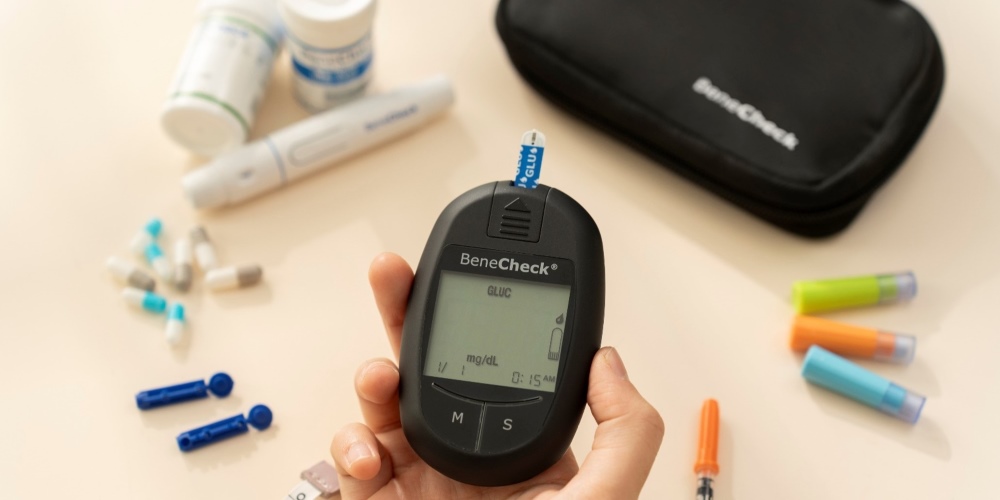
Diabetes is a chronic metabolic condition that requires long-term tracking and daily management. Preparing a comprehensive "diabetes kit" can help patients react quickly in emergencies, stabilize blood sugar, and reduce the risk of complications. This article explains what items a diabetes kit should contain, where to store it, and key preparation points for different scenarios such as traveling abroad or natural disaster evacuation, so that you can respond to emergencies at any time in your daily life.
What Is a Diabetes Kit?
A diabetes kit is a portable toolkit specifically prepared for people with diabetes, containing blood glucose monitoring equipment, daily medications, fast-acting carbohydrates for hypoglycemia, wound dressing supplies, and important medical documents. The main purpose is to allow patients to immediately obtain necessary medical supplies when going out, traveling, or encountering emergencies, keeping blood sugar levels stable and avoiding life-threatening situations due to medication shortages or delayed medical treatment.
〈Extended Reading: Diabetes Symptoms & Causes of Diabetes: Early Signs, Causes, and Prevention Guide〉
What Should You Prepare in a Diabetes Kit? A Quick Look at the Essential Items
A complete diabetes kit should cover four key areas: monitoring, medication, first aid, and identification. It is recommended to use a waterproof backpack for storage to prevent items from getting wet during rain or flooding during natural disasters. The following table organizes the essential items for a diabetes kit to help you check your preparation progress.
〈Extended Reading: What Are the Signs of Cardiovascular Disease? Causes, Symptoms, and Prevention Tips!〉
Diabetes Kit Checklist
| Item | Content |
|---|---|
| Blood Glucose Monitoring Tools | Blood glucose meter, test strips, lancets, alcohol swabs, spare batteries. |
| Medication | Oral diabetes medications, insulin (including syringes or pen needles), and insulin cooling bags. |
| Hypoglycemia Management Supplies | Glucose tablets, glucose gel, candy, sugary drinks, and dry snacks (high-fat chocolate is not recommended for emergency use). |
| Wound Care Supplies | Adhesive bandages, sterile gauze, antiseptic ointment, antibacterial ointment, bandages, and medical tape. |
| Identification and Documents | Diabetes identification card (bilingual), medical history summary, doctor's contact information, and blood glucose logbook. |
| Other Accessories | Waterproof backpack or bag, foot care supplies (mirror, nail clippers, lotion), and comfortable shoes and socks. |
Where Is the Best Place to Keep a Diabetes Kit?
The principles for storing a diabetes kit are primarily "easy access" and "avoiding heat and humidity." A home-use kit can be kept in a fixed cabinet in the living room or bedroom. An on-the-go kit should be carried with you and never left in a car trunk, as high temperatures can degrade medication or insulin. For emergency disaster kits prepared for natural disasters like earthquakes, it is recommended to place them near the entrance or foyer so they can be grabbed immediately in an emergency.
〈Extended Reading: What are the signs of cardiovascular disease? A complete guide from causes and symptoms to prevention〉
Adjust Your Diabetes Kit Based on Daily Needs
Patients face different risks in different situations; therefore, the contents of a diabetes kit need to be adjusted according to the usage scenario and physical condition.
Diabetes Kit for Illness and Colds
When a patient has a cold, fever, or gastrointestinal discomfort, blood sugar levels can fluctuate significantly due to rising stress hormones, and may even increase the risk of ketoacidosis. A diabetes kit for illness needs to include more gastrointestinal medications, thermometers, and antipyretics than usual, as well as electrolyte water for hydration. During this period, the frequency of blood sugar testing should also be increased to every 4 hours to always keep track of physical changes.
〈Extended Reading: Anemia Lab Values: Which Ones Should You Watch for Better Health Management?〉
Diabetes Wound Care Kit
Patients with diabetes are prone to neuropathy and poor vascular circulation. Even small abrasions can deteriorate into ulcers faster than in the average person, and in severe cases, may even require amputation. Therefore, a wound kit must include an adequate supply of disinfectant, sterile gauze, antibacterial ointment, and breathable tape. As soon as a skin break is discovered, it should be cleaned and bandaged immediately to prevent bacterial infection.
〈Extended Reading: Understanding Gout: Symptoms, Causes, Diet Tips, and Prevention Strategies〉
Travel Diabetes Kit
Dietary schedules are often irregular when traveling abroad, and combined with extensive walking and time zone changes, blood sugar can easily become unstable. When preparing a travel diabetes kit, you must obtain a medical certificate in both Chinese and English and a copy of the prescription from your doctor to prove that the insulin and needles are for legal medical use, to pass through airport security smoothly.
When going abroad, you must also prepare double the amount of medication, carrying one portion with you and giving the other to a family member traveling with you to reduce the risk of losing all medication at once. Furthermore, if the time difference you cross exceeds 4 to 6 hours, you must discuss medication timing adjustments with your doctor before departure. Also remember to prepare a blood glucose meter with Bluetooth functionality for easy data recording, such as the BeneCheck blood glucose monitoring system launched by General Life Biotechnology, allowing you to easily track values while away from home.
〈Extended Reading: What Is Diabetes? From Symptoms to Blood Glucose Control〉
Home Diabetes Kit
A home diabetes kit emphasizes completeness and daily maintenance, usually containing a blood glucose meter, a 1 to 2-month supply of test strips, spare batteries, oral hypoglycemic agents, and insulin. It also includes emergency foods such as glucose tablets or juice, as well as foot care supplies (such as lotion, nail clippers) and an emergency contact card, so that hypoglycemia or minor injuries at home can be handled immediately.
〈Extended Reading: What Happens When Ketone Levels Are High? Understanding DKA Symptoms and Daily Monitoring〉
Diabetes Kit FAQs
Q1. How often should the diabetes kit be checked?
It is recommended to check the diabetes kit regularly every month. You can use the "rolling replenishment method," taking out medications, test strips, and dry goods that are about to expire to use in daily life, and immediately replacing them with new supplies. At the same time, check if alcohol swabs have dried out and if there is a shortage of Band-Aids, ensuring that all items are within their expiration dates.
Q2. Can insulin be placed in carry-on luggage?
When traveling abroad, insulin must be kept in carry-on luggage on the plane. Never place insulin in checked baggage, as the extremely low temperatures in the cargo hold can cause the insulin to freeze and destroy its effectiveness. If traveling in a hot climate, you can use a cooler bag while carrying it, but avoid direct contact between the medication and ice.
〈Extended Reading: High Uric Acid? Quick Tips on Symptoms and Effective Solutions!〉
Q3. Which blood glucose meter should I choose?
It is recommended to choose a blood glucose meter with hematocrit (HCT) correction and Bluetooth transmission capabilities. We recommend General Life's "BeneCheck Plus Blood Glucose Monitoring System" and "BeneCheck Max Blood Glucose Monitoring System." Both can be equipped with Bluetooth functionality, allowing you to record blood glucose via a mobile app for easy daily portability and management. Furthermore, both meters are TFDA-certified in Taiwan and comply with EU CE regulations, providing precise blood glucose measurements so you can manage your glucose levels with peace of mind.
〈Extended Reading: What is the In Vitro Diagnostic Regulation (IVDR)? Safer and More Reliable Health Testing〉
Q4. What should I eat during hypoglycemia?
When hypoglycemia occurs, you should prioritize eating fast-absorbing simple carbohydrates, such as: glucose tablets, half a cup of fruit juice, or 2-3 sugar cubes. It is recommended that your diabetes kit always contains these emergency foods. Additionally, chocolate is not recommended because it contains more fat, which slows down the absorption of sugar and may not raise blood sugar quickly enough.
〈Extended Reading: Uric Acid Testing Made Simple: Prevent Gout Today〉
Q5. Can people with diabetes travel abroad?
Of course. If you are fully prepared before departure—including applying for an English medical certificate, bringing twice the amount of medication, carrying your own blood glucose meter and emergency hypoglycemia food, and preparing comfortable old shoes to avoid blisters from walking—people with diabetes can travel abroad with peace of mind. However, also remember to inform your traveling companions about your health condition and emergency procedures before the trip.
〈Extended Reading: Heart Attack Prevention: Spot the Symptoms and Master Daily Monitoring!〉
A Blood Glucose Meter Is Essential for Your Diabetes Kit; General Life BeneCheck Protects Your Health Daily
A complete diabetes kit can help patients quickly stabilize blood glucose, treat wounds, and reduce the risk of complications in emergencies. In addition to medication and emergency food, an accurate and easy-to-operate blood glucose meter is an indispensable tool in the kit. General Life BeneCheck's blood glucose meters provide precise measurement data and convenient recording functions, helping protect your health comprehensively from daily home use to international travel. Click to learn more about our products, or contact us to prepare the most reliable diabetes kit for yourself and your family.
References
What is the WHO Global Diabetes Compact? (WHO)
The Global Diabetes Compact: a promising first year (WHO)
Devices & Technology-Better blood glucose meters and more (ADA)
The Ultimate Diabetic Travel Kit: 11 Items You Can’t Forget (Gluroo)
Blood Sugar Test Kit (NTAS)
Diabetes Toolkit (UCLA)
Diabetes and Me (Health Promotion Administration)

General Life Biotechnology
We are the experts behind General Life Biotechnology, a proud member of the Compal Group since 1999. With over 20 years of experience in the medical device field, our diverse team of biotech specialists, engineers, and health educators is committed to making home health testing accurate and accessible.
We are the creators of the BeneCheck and SANcheck systems, trusted globally with ISO 13485, CE, TFDA, and FDA approvals.
Here on our blog, we translate complex medical data into practical advice. Whether you are managing diabetes, monitoring cholesterol, or checking your pet’s health, we provide the professional knowledge you need to track your numbers with confidence. Our mission is to use our technology to help you—and your pets—live healthier, happier lives.
Areas of Expertise:
Chronic Disease Management
IVD Technology & Innovation
At-Home Health Monitoring
Veterinary Preventive Medicine
Our Standards:
ISO 13485 Certified
GMP Compliant
Article Classification
Recent Articles
- What Is Prediabetes? Symptoms, Causes, and 4 Lifestyle Changes
- Diabetes Kit Preparation : A Complete List of Emergency Essentials and Daily Monitoring Tips
- Understand blood sugar tests, identify potential causes, and learn how to monitor your blood sugar correctly!
- Diabetes Symptoms & Causes of Diabetes: Early Signs, Causes, and Prevention Guide
- What Are the Heart Attack Symptoms? Learn the Causes, Signs, and First Aid Steps!