
ARTICLES
A healthy life begins with regular check-ups.

Understand blood sugar tests, identify potential causes, and learn how to monitor your blood sugar correctly!
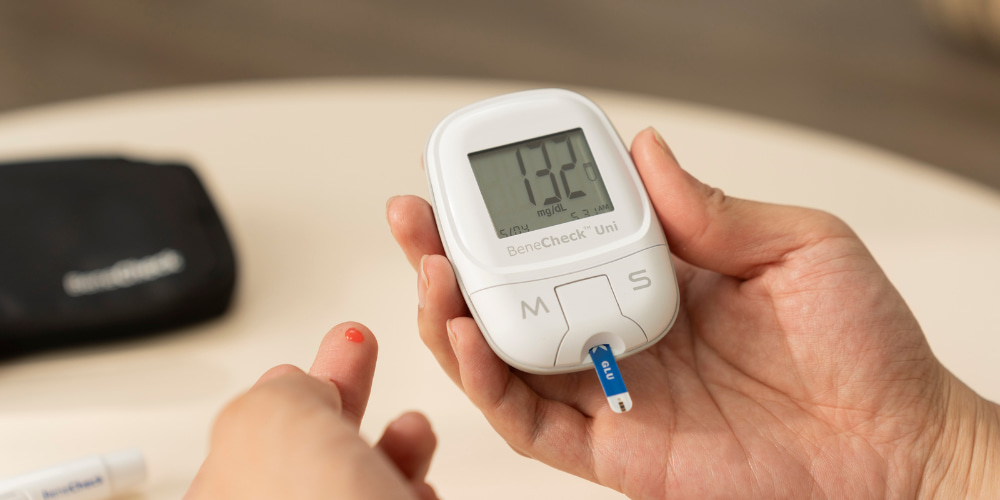
Many people start worrying if they have diabetes as soon as they hear their blood sugar levels are high or notice abnormal blood sugar readings in family members. If you find your blood sugar levels are higher than normal, you can first go to a hospital for an examination to accurately understand your blood sugar status. This article will guide you through the importance of blood sugar testing and help you interpret normal and abnormal results. By mastering the correct measurement methods and frequency, you can safely monitor your body's physical condition in daily life.
Why Should You Have Blood Sugar Tests? Identify the Potential Causes in Your Body!
The body needs glucose to provide energy. The main purpose of blood sugar testing is to help us understand the glucose concentration in the blood. However, if blood sugar remains high for a long time, it will slowly damage the blood vessels and nerves. There may be no obvious symptoms at first, but over time it will easily cause complications affecting the heart, kidneys, or eyes. Through regular blood sugar tests, abnormal values can be detected early. For patients already on medication, this also allows observation of the effects of medicine, diet, and exercise on blood sugar, enabling timely lifestyle adjustments.
〈Extended Reading: What Are the Heart Attack Symptoms? Learn the Causes, Signs, and First Aid Steps!〉
What Causes Abnormal Blood Sugar Test Results? Understanding Diabetes Symptoms
Different groups and various types of diabetes require different care methods when facing blood sugar control. The following sections introduce the blood sugar testing priorities for each type to help you understand your physical condition.
Type 1 Diabetes
Patients with Type 1 diabetes cannot produce insulin on their own due to immune system issues and must rely on external insulin injections daily for control. People with this condition usually experience large blood sugar fluctuations, so they need multiple blood sugar tests daily to observe changes in blood sugar, allowing timely insulin dose adjustments when needed to avoid dangerous hypoglycemia.
〈Extended Reading: Understanding Gout: Symptoms, Causes, Diet Tips, and Prevention Strategies〉
Type 2 Diabetes
Type 2 diabetes is usually related to aging, being overweight, or poor dietary habits. Although the patient's body can still secrete insulin, the cells' response to insulin becomes poor. Through blood sugar testing, one can observe how daily dietary content and level of physical activity affect blood sugar, and confirm whether current oral medications or treatment plans are achieving the expected effects.
Gestational Diabetes
Some pregnant women experience elevated blood sugar levels during pregnancy, which is usually referred to as gestational diabetes. To ensure the safety of both mother and baby, doctors may ask pregnant women to closely monitor fasting and postprandial blood sugar and strictly control their diet. If a blood sugar test reveals that values are poorly controlled, it may lead to excessive fetal size, increasing delivery difficulties or causing other complications.
〈Extended Reading: Anemia Lab Values: Which Ones Should You Watch for Better Health Management?〉
Prediabetes
Blood sugar levels in prediabetes are already higher than normal but have not yet reached the diagnostic criteria for diabetes. This is an important warning sign from the body. Actively engaging in dietary control, weight loss, and exercise during this stage, along with regular checks of blood sugar and glycated hemoglobin, offers a great chance to return blood sugar levels to the normal range and avoid developing diabetes.
What Are The Blood Sugar Test Indicators? Understanding Fasting, Postprandial Blood Sugar, and Glycated Hemoglobin
Before interpreting blood sugar test values, we need to understand what the various test items frequently mentioned by doctors represent. Each value reflects the body's blood sugar control ability under different states.
- Fasting Blood Sugar: This usually refers to the blood sugar level measured after not eating for at least 8 hours, best reflecting the body's baseline blood sugar level without the influence of food.
- Postprandial Blood Sugar: Generally measured two hours after the first bite of food, this value shows the body's ability to process sugar in food and whether insulin secretion is timely.
- Glycated Hemoglobin (HbA1c): This blood test reflects the average concentration of glucose in the blood over the past 2 to 3 months and is one of the key indicators for assessing long-term blood sugar control.
〈Extended Reading: What Are Normal Blood Sugar Levels in 2026? Learn About High/Low Blood Sugar Symptoms & the Importance of Testing!〉
How to Interpret Blood Sugar Test Values?
To know if your blood sugar is normal, you can refer to the following standard ranges; this data can help you determine whether you are currently in a healthy state, prediabetic, or have already reached the diabetes stage. If you find that your blood sugar test values fall within the prediabetic or diabetic range, you must consult a doctor for an examination as soon as possible.
Blood Sugar Test Values Overview Table
| Status | Fasting Blood Sugar Value | 2-Hour Postprandial Blood Sugar | HbA1c |
|---|---|---|---|
| Normal Range | 70-99 mg/dL | Below 140 mg/dL | 4.0%-5.6% |
| Prediabetes | 100-125 mg/dL | 140-199 mg/dL | 5.7%-6.4% |
| Diabetes | 126 mg/dL or above | 200 mg/dL or above | 6.5% or above |
〈Extended Reading: What Is Diabetes? From Symptoms to Blood Glucose Control〉
How Often Should I Have a Blood Sugar Test?
The frequency of blood sugar tests depends on an individual's health status and a physician's recommendations. Healthy adults without high-risk factors can measure fasting blood sugar once a year through a general health check-up. If you have prediabetes, it is recommended to have regular follow-up visits every 3 to 6 months and measure blood sugar at home as appropriate. For patients already diagnosed with diabetes, if they are on insulin injections, they may need to perform a blood sugar test 2 to 4 times or more daily; if they only take oral medication and the values are stable, the physician may suggest measuring several times a week. The specific frequency should still be discussed with the attending physician.
〈Extended Reading: What Happens When Ketone Levels Are High? Understanding DKA Symptoms and Daily Monitoring〉
How Can You Perform a Home Blood Sugar Test Accurately? Complete It in 3 Simple Steps!
Measuring blood sugar yourself at home is a good way to monitor your health, but operational errors can affect the accuracy of the values. By following the steps below, you can reduce errors in blood sugar testing.
〈Extended Reading: Monitoring Your Metabolic Health: Blood Ketone Meter and GKI Guide〉
Home Blood Sugar Test 1. Preparation
Before performing a blood sugar test, please wash your hands with warm water and soap, and dry them with a clean towel. Warm water promotes blood flow in the hands, making blood collection smoother. Next, prepare the blood glucose meter, test strips, and lancing device, and confirm that the test strips are still within their expiration date. After taking a test strip from the bottle, close the lid immediately to prevent moisture from getting inside. Once the preparation is complete, you can begin the measurement.
Home Blood Sugar Test 2. Blood Collection and Measurement
Insert the test strip into the blood glucose meter, then load a clean lancet into the lancing device. Since the fingertips have many nerve endings, it may be more painful; it is recommended to collect blood from the side of the finger pad. After pressing the lancing device, gently squeeze the edge of the finger to produce a small drop of blood. Wipe away the first drop of blood, and let the tip of the test strip absorb the second drop of blood. After waiting a few seconds, the blood glucose meter screen will display the blood sugar test value.
Home Blood Sugar Test 3. Record Every Measurement Value
After the measurement is complete, used lancets must be disposed of in a safe, sealed container or a dedicated sharps box; they must not be discarded in general trash bins. Finally, record the measurement results in a notebook or a mobile app, noting the time of measurement and dietary conditions before and after. During subsequent follow-up visits, the physician can adjust the treatment plan based on these values.
〈Extended Reading: High Uric Acid? Quick Tips on Symptoms and Effective Solutions!〉
What to Do When Blood Sugar Is Abnormal: Seek Medical Help When Needed
When blood sugar is too high or too low, the body sends out warning signals. If the value is below 70 mg/dL, this indicates hypoglycemia, and the body may experience symptoms such as hand tremors, cold sweats, palpitations, or dizziness. Immediately consume about 15 grams of sugar, such as three sugar cubes, half a cup of fruit juice, or a sugary drink. Re-test after resting for 15 minutes. If the blood sugar test value does not rise, you must seek medical attention as soon as possible. If blood sugar spikes and is accompanied by severe discomfort such as abnormal thirst, frequent urination, or fatigue, do not take medication on your own; you should also quickly go to the hospital to seek help from a physician.
〈Extended Reading: Heart Attack Prevention: Spot the Symptoms and Master Daily Monitoring!〉
Common Blood Sugar Test Q&A!
Q1. Will Taking Cholesterol-lowering Drugs Affect Blood Sugar Tests?
Medical research shows that taking certain types of cholesterol-lowering drugs (such as statins) may indeed cause blood sugar test values to rise slightly. However, controlling cholesterol is equally important for cardiovascular protection. If you find that your blood sugar has risen while taking the medication, do not stop the medication on your own. Be sure to discuss it with your attending physician during your follow-up visit, and the physician will evaluate whether the medication needs to be adjusted.
Q2. How Can I Test If I Have Diabetes?
To confirm whether you have diabetes, you cannot rely solely on a single urine test or the values from a home blood glucose monitor. Home blood glucose monitors are mainly used for daily monitoring. For a formal diagnosis, you must go to a medical institution for a blood test. A physician will make a comprehensive judgment based on fasting blood glucose, postprandial blood glucose, and glycated hemoglobin (HbA1c) values from venous blood samples.
Q3. Can Drinking Plenty of Water Lower Blood Sugar?
Drinking water cannot directly lower blood sugar like medication or insulin, but staying well-hydrated can help the kidneys function and expel excess sugar from the body through urine. Therefore, drinking an appropriate amount of water when blood sugar is high does have a supporting effect, but it absolutely cannot replace dietary control and prescribed medical treatment.
〈Extended Reading: Uric Acid Testing Made Simple: Prevent Gout Today〉
Q4. Will Blood Sugar Rise If Fasting for Too Long?
It is possible. When the fasting period is too long, the body senses a lack of energy. To maintain the operation of vital organs, the liver releases stored sugar into the bloodstream. This physiological mechanism may cause a temporary rise in measured blood sugar even when you haven't eaten.
〈Extended Reading: Anemia Guide: Symptoms, Causes, and How to Manage Your Hemoglobin Levels〉
Q5. How to Return Blood Sugar to Normal?
Stabilizing blood sugar should start with daily habits. In terms of diet, refined starches and sugary foods should be reduced, and the intake of vegetables and whole grains should be increased. Develop a habit of regular exercise, maintaining at least 150 minutes of aerobic exercise per week, such as brisk walking, jogging, or swimming. Be sure to take medication or inject insulin on time according to the doctor's instructions, and also regularly monitor blood sugar test data daily.
Accurate Home Testing with General Life Biotechnology; Quickly Master Your Blood Sugar Values!
For those who need long-term sugar control, having an accurate and reliable measurement instrument is very important. General Life Biotechnology's BeneCheck brand provides professional in vitro diagnostic equipment, allowing you to easily test multiple important health indicators such as blood sugar, uric acid, and total cholesterol at home. In addition to accurate measurement, it is also equipped with an exclusive blood sugar testing management App with a clear and easy-to-read interface, which can automatically convert each measurement value into a chart, allowing users and family members to grasp health conditions more intuitively, saving the trouble of manual recording.
〈Product Recommendation: General Life Biotechnology BeneCheck〉
〈Extended Reading: What is the In Vitro Diagnostic Regulation (IVDR)? Safer and More Reliable Health Testing〉
Conclusion
Blood sugar testing is the most direct way to grasp your physical condition. Whether you go to the hospital for regular blood tests or developing a habit of home measurement, it helps to detect health problems early and prevent them before they happen. If you are looking for a measurement instrument that is easy to operate and fully functional, General Life Biotechnology's BeneCheck series of products can provide stable, accurate results, and you can also keep track of your health and your family’s health status at any time through your mobile phone. Click now to learn more and choose the most suitable monitoring solution for your and your family's health.
References
Diabetes(WHO)
Diabetes Testing(CDC)
Diabetes Tests & Diagnosis(NIH)
What is a blood glucose test?(Cleveland Clinic)
Check Your Blood Glucose | Diabetes Testing & Monitoring(ADA)
Blood Glucose Test(ADA)
定期檢查搭配健康習慣,4招顧血糖(Ministry of Health and Welfare)
糖尿病(Ministry of Health and Welfare)
醫院抽血及自我檢驗血糖的程序(China Medical University Hospital)
在家血糖檢測:血糖機操作步驟、測血糖的前後須知(Hello醫師)

General Life Biotechnology
We are the experts behind General Life Biotechnology, a proud member of the Compal Group since 1999. With over 20 years of experience in the medical device field, our diverse team of biotech specialists, engineers, and health educators is committed to making home health testing accurate and accessible.
We are the creators of the BeneCheck and SANcheck systems, trusted globally with ISO 13485, CE, TFDA, and FDA approvals.
Here on our blog, we translate complex medical data into practical advice. Whether you are managing diabetes, monitoring cholesterol, or checking your pet’s health, we provide the professional knowledge you need to track your numbers with confidence. Our mission is to use our technology to help you—and your pets—live healthier, happier lives.
Areas of Expertise:
Chronic Disease Management
IVD Technology & Innovation
At-Home Health Monitoring
Veterinary Preventive Medicine
Our Standards:
ISO 13485 Certified
GMP Compliant
Article Classification
Recent Articles
- What Is Prediabetes? Symptoms, Causes, and 4 Lifestyle Changes
- Diabetes Kit Preparation : A Complete List of Emergency Essentials and Daily Monitoring Tips
- Understand blood sugar tests, identify potential causes, and learn how to monitor your blood sugar correctly!
- Diabetes Symptoms & Causes of Diabetes: Early Signs, Causes, and Prevention Guide
- What Are the Heart Attack Symptoms? Learn the Causes, Signs, and First Aid Steps!