
ARTIKEL
Kehidupan yang sehat dimulai dengan pemeriksaan rutin.

Apa Itu Diabetes? Dari Gejala hingga Pengendalian Gula Darah
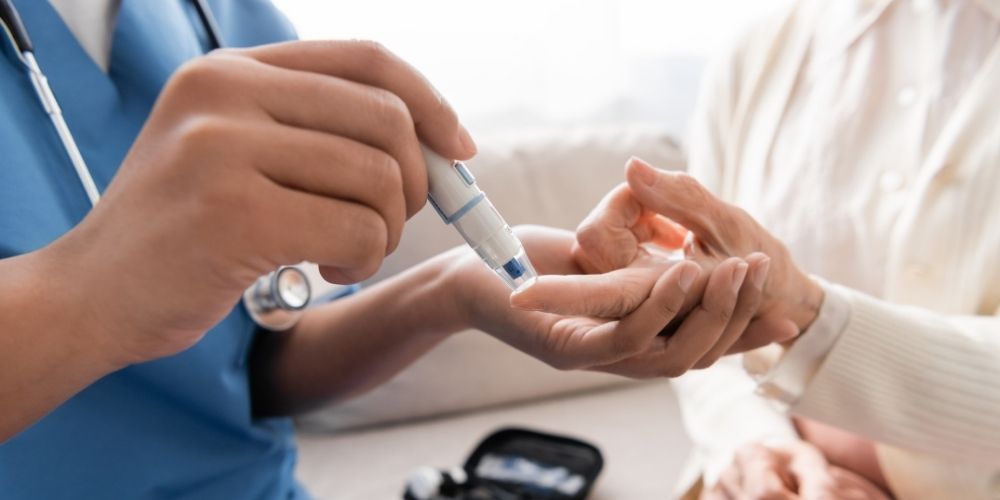
Banyak orang berpikir diabetes adalah penyakit yang tidak akan memengaruhi mereka. Namun, beberapa individu mungkin memiliki kadar gula darah tinggi tanpa gejala yang jelas, dan baru menyadari keparahannya ketika komplikasi seperti penglihatan kabur atau mati rasa di tangan dan kaki mulai muncul. Artikel ini akan dengan cepat membantu Anda memahami jenis-jenis diabetes yang umum, kemungkinan penyebabnya, dan gejala awalnya. Artikel ini juga akan mengajarkan Anda cara membaca kadar glukosa darah dan cara mengontrolnya setiap hari, membantu Anda menguasai status kesehatan Anda selangkah demi selangkah.
〈Bacaan Tambahan: Berapa Kadar Gula Darah Normal di Tahun 2026? Pelajari Gejala Gula Darah Tinggi/Rendah & Pentingnya Pemeriksaan! 〉
Apa Itu Diabetes?
Diabetes dapat dipahami secara sederhana sebagai "masalah dengan pengaturan gula darah." Biasanya, pati dan gula yang kita makan dipecah menjadi glukosa dan masuk ke aliran darah, kemudian insulin membantu mengangkutnya ke dalam sel untuk diubah menjadi energi yang dibutuhkan tubuh. Namun, ketika sekresi insulin tidak mencukupi atau respons tubuh terhadapnya memburuk, proses ini terhenti, dan gula dalam darah tidak dapat diturunkan, akhirnya menyebabkan gula darah tinggi. Dalam jangka panjang, ini tidak hanya membuat seseorang merasa lelah dan haus tetapi juga secara bertahap dapat memengaruhi kesehatan pembuluh darah dan saraf.
Apa Saja Gejala Diabetes? Tubuh Anda Diam-diam Mengingatkan Anda
Gejala diabetes tidak selalu terlihat jelas pada awalnya; banyak orang mengalami perubahan tanpa disadari. Misalnya, menjadi sangat haus dan ingin minum air terus-menerus, peningkatan frekuensi buang air kecil yang signifikan, bahkan terbangun karena keinginan untuk buang air kecil di malam hari; beberapa orang merasa lesu dan lelah sepanjang hari, atau terus-menerus mengalami penurunan berat badan tanpa sengaja mengontrol pola makan mereka.
Selain itu, beberapa orang mungkin mendapati bahwa luka kecil membutuhkan waktu lama untuk sembuh, penglihatan kadang-kadang menjadi kabur, atau kulit sering terasa gatal disertai infeksi berulang. Kondisi ini mungkin tampak seperti masalah kecil secara individual, tetapi jika berlanjut untuk sementara waktu, seseorang harus waspada, karena kemungkinan besar terkait dengan gula darah tinggi. Disarankan untuk tidak menunda dan segera melakukan pemeriksaan untuk mengklarifikasi penyebabnya demi ketenangan pikiran.
Ada Lebih Dari Satu Jenis Diabetes; Apakah Anda Tahu Jenis-Jenis Apa Saja yang Ada?
Diabetes Tipe 1
Diabetes tipe 1 biasanya terkait dengan respons autoimun, di mana sistem kekebalan tubuh secara keliru menyerang sel-sel pankreas yang bertanggung jawab untuk memproduksi insulin, sehingga insulin hampir tidak dapat disekresikan secara normal. Karena tubuh kekurangan insulin, gula darah sulit dimanfaatkan, sehingga pasien perlu menjaga kestabilan melalui suntikan insulin harian, dan sebagian besar didiagnosis selama masa kanak-kanak atau remaja. Bagi pasien, pengobatan rutin dan pemantauan glukosa darah merupakan bagian yang tak terpisahkan dari kehidupan sehari-hari.
Diabetes Tipe 2
Diabetes tipe 2 adalah jenis yang paling umum dan biasanya memiliki hubungan yang signifikan dengan kebiasaan gaya hidup sehari-hari. Ketika sensitivitas tubuh terhadap insulin menurun, yang dikenal sebagai "resistensi insulin," atau ketika insulin yang disekresikan oleh pankreas tidak mencukupi, hal itu menyebabkan kadar gula darah naik perlahan. Faktor risiko umum meliputi kelebihan berat badan, duduk terlalu lama, diet yang terlalu manis atau tinggi lemak, dan faktor keturunan; oleh karena itu, menyesuaikan kebiasaan gaya hidup adalah kunci untuk pengendalian dan pencegahan.
Diabetes Gestasional
Diabetes gestasional mengacu pada kelainan gula darah yang hanya muncul selama kehamilan. Hal ini terutama karena perubahan hormonal selama kehamilan membuat insulin kurang sensitif, sehingga menyebabkan regulasi gula darah yang tidak stabil. Bagi sebagian besar wanita hamil, gula darah secara bertahap kembali normal setelah melahirkan; namun, pengalaman ini juga menandakan bahwa tubuh telah mengalami stres metabolik. Oleh karena itu, risiko terkena diabetes tipe 2 di masa mendatang sedikit lebih tinggi daripada populasi umum. Dianjurkan untuk terus memantau gula darah setelah melahirkan untuk ketenangan pikiran.
Jenis Diabetes Spesifik Lainnya
Selain diabetes tipe 1, tipe 2, dan diabetes gestasional, ada beberapa jenis spesifik yang lebih jarang terjadi. Kondisi ini mungkin terkait dengan kelainan genetik, atau dapat disebabkan oleh masalah pada pankreas itu sendiri, seperti pankreatitis kronis yang memengaruhi sekresi insulin, atau ketidakseimbangan dalam sistem endokrin. Selain itu, beberapa orang yang menggunakan obat-obatan tertentu dalam jangka panjang juga dapat mengalami peningkatan kadar gula darah. Penyebab diabetes jenis ini lebih kompleks dan biasanya memerlukan pemeriksaan dan penilaian lebih lanjut oleh dokter untuk mengidentifikasi penyebab sebenarnya dan mengobatinya dengan tepat.
〈Bacaan Tambahan: Merasa Pusing dan Lelah? Tes Mandiri Mempermudah Penanganan Anemia! 〉
Pemeriksaan Diabetes: Bagaimana Cara Menginterpretasikan Nilai Gula Darah untuk Ketenangan Pikiran?
Untuk menentukan apakah Anda menderita diabetes, Anda dapat memeriksa kadar gula darah Anda melalui beberapa jenis tes darah, yang juga dapat membantu mendeteksi dini jika Anda mendekati pradiabetes. Semakin awal Anda mengetahui perubahan nilai-nilai Anda, semakin besar peluang Anda untuk mengendalikan kembali gula darah melalui penyesuaian diet dan gaya hidup. Di bawah ini adalah beberapa metode pengujian umum untuk membantu Anda lebih memahami status kesehatan Anda.
Glukosa Plasma Puasa (FPG)
Gula darah puasa adalah jenis tes gula darah yang paling umum dan mendasar. Tes ini memerlukan puasa yang dimulai dari malam sebelumnya, dengan pengambilan darah setelah setidaknya 8 jam tanpa makan. Umumnya, nilai di bawah 100 mg/dL berada dalam kisaran normal; jika nilainya antara 100 dan 125 mg/dL, itu berarti gula darah sudah sedikit tinggi, mendekati pradiabetes. Ketika nilainya mencapai atau melebihi 126 mg/dL, diperlukan evaluasi lebih lanjut, dan secara klinis, kemungkinan diabetes sering dicurigai.
Hemoglobin Terglikasi (HbA1c)
Tes hemoglobin terglikasi (HbA1c) dapat menunjukkan "rata-rata kadar gula darah selama 2 hingga 3 bulan terakhir." Kadar HbA1c tidak berfluktuasi secara signifikan berdasarkan apakah Anda sudah makan pada hari itu dan sering digunakan sebagai indikator pengendalian gula darah jangka panjang. Nilai HbA1c di bawah 5,7% adalah normal; jika nilainya antara 5,7% dan 6,4%, berarti gula darah sudah tinggi, dengan risiko prediabetes. Jika nilainya mencapai 6,5% atau lebih, diperlukan evaluasi lebih lanjut, dan secara klinis, dapat didiagnosis sebagai diabetes. Tes ini dapat mencerminkan status pengendalian gula darah tubuh secara lebih komprehensif.
Pengukuran Glukosa Darah Acak
Keunggulan utama dari pemeriksaan glukosa darah acak adalah tidak memerlukan puasa, sehingga cepat dan praktis. Pengambilan darah atau pengukuran gula darah dapat dilakukan kapan saja, sehingga cocok untuk skrining awal ketika dicurigai adanya kelainan gula darah. Jika hasil tes mencapai atau melebihi 200 mg/dL, dan muncul gejala khas seperti rasa haus yang berlebihan, banyak minum air, sering buang air kecil, atau penurunan berat badan yang tidak dapat dijelaskan, seseorang harus sangat waspada, dan evaluasi klinis untuk diabetes akan dilakukan.
Tabel Tes Mandiri Risiko Diabetes: Tabel Perbandingan Berbagai Standar Gula Darah
Metode Pengujian | Glukosa Plasma Puasa (FPG) | Hemoglobin Terglikasi (HbA1c) | Glukosa Plasma Acak |
|---|---|---|---|
Kondisi Pengukuran | Membutuhkan puasa minimal 8 jam. | Mencerminkan kadar glukosa darah rata-rata selama 2–3 bulan terakhir. | Pengukuran dapat dilakukan kapan saja, tanpa perlu berpuasa. |
Kisaran Normal | 70–99 mg/dL | < 5,7% | < 140 mg/dL |
Pradiabetes | 100–125 mg/dL | 5,7%–6,4% | 140–199 mg/dL |
Diabetes | ≧ 126 mg/dL | ≧ 6,5% (Diperlukan diagnosis dokter) | ≥ 200 mg/dL |
(Pengguna seluler dapat menggeser tabel ke kiri dan kanan)
Bagaimana Cara Mengontrol Gula Darah dengan Benar untuk Mencegah Diabetes?
Kembangkan Kebiasaan Berolahraga Secara Teratur
Untuk mengontrol gula darah secara stabil, mengembangkan kebiasaan olahraga teratur sangat penting! Dianjurkan untuk melakukan setidaknya 150 menit olahraga aerobik intensitas sedang per minggu, seperti jalan cepat, bersepeda, atau berenang. Untuk olahraga intensitas tinggi, Anda dapat menyesuaikannya menjadi setidaknya 3 hari per minggu, sekitar 20 menit atau lebih setiap kali. Olahraga tidak hanya membantu mengontrol berat badan tetapi juga meningkatkan sensitivitas tubuh terhadap insulin, sehingga gula darah lebih mudah dimanfaatkan; mempertahankan hal ini dalam jangka panjang juga sangat membantu untuk mencegah komplikasi.
Makan dengan Benar untuk Mencegah Lonjakan Gula Darah
Mengontrol gula darah tidak sesederhana hanya mengurangi konsumsi makanan manis; apa yang Anda makan secara keseluruhan dan bagaimana Anda memadukan makanan jauh lebih penting. Untuk minuman sehari-hari, prioritaskan pilihan tanpa gula atau rendah gula untuk mengurangi asupan minuman manis. Untuk makanan pokok, pati olahan seperti nasi putih, roti putih, dan mi dapat dikurangi secukupnya untuk mencegah gula darah naik terlalu cepat.
Dalam diet Anda, Anda dapat menambahkan lebih banyak sayuran untuk meningkatkan serat dan membantu menstabilkan penyerapan; mengganti makanan pokok dengan biji-bijian utuh bahkan lebih baik, dipadukan dengan lemak sehat seperti minyak zaitun dan kacang-kacangan, serta protein berkualitas tinggi seperti ikan, telur, dan kacang-kacangan. Dengan hanya membuat pilihan yang berbeda, Anda dapat menstabilkan gula darah tanpa harus kelaparan.
〈Bacaan Tambahan: Asam Urat Tinggi? Tips Cepat tentang Gejala dan Solusi Efektif! 〉
〈Bacaan Tambahan: Tes Asam Urat yang Mudah Dipahami: Cegah Asam Urat Sejak Dini 〉
Pertahankan Berat Badan yang Sehat
Menjaga berat badan yang sehat juga sangat penting untuk mengontrol gula darah. Terutama untuk diabetes tipe 2, obesitas dapat dikatakan sebagai salah satu faktor risiko yang paling signifikan. Kelebihan berat badan membuat respons tubuh terhadap insulin menjadi lebih buruk, sehingga gula darah lebih mungkin meningkat secara tidak terkontrol. Sebaliknya, jika berat badan dikurangi secara bertahap meskipun sedikit, ada peluang untuk membuat gula darah lebih stabil dan mengurangi risiko komplikasi di masa mendatang.
〈Bacaan Tambahan: Memantau Kesehatan Metabolisme Anda: Alat Pengukur Keton Darah dan Panduan GKI 〉
Hindari Merokok
Merokok memperburuk kondisi metabolisme tubuh dan meningkatkan risiko terkena diabetes sebesar 30% hingga 40%. Tidak hanya itu, jika Anda sudah menderita diabetes, merokok dapat membuat kondisi tersebut lebih sulit dikendalikan, sehingga semakin meningkatkan risiko komplikasi seperti penyakit kardiovaskular, kerusakan ginjal, dan bahkan neuropati perifer.
Pemantauan Gula Darah di Rumah: Pantau Kadar Anda dengan Mudah
Dalam pengelolaan gula darah sehari-hari, Anda dapat memanfaatkan monitor glukosa darah rumahan untuk membantu Anda melacak perubahan nilai kapan saja. Terutama pada waktu yang berbeda seperti puasa, sebelum makan, atau setelah makan, pengukuran rutin sesuai anjuran dokter memudahkan untuk melihat pola fluktuasi gula darah dan melakukan penyesuaian sejak dini.
Sebagai contoh, General Life Biotechnology menyediakan berbagai sistem pengujian glukosa darah, yang memiliki pengoperasian sederhana, kecepatan pengukuran cepat, dan volume pengambilan sampel darah yang sangat kecil, sehingga lebih mudah digunakan untuk penggunaan sehari-hari dan lebih mudah untuk mempertahankan kebiasaan pemantauan jangka panjang. Melalui pelacakan yang stabil, Anda dapat lebih jelas memahami status gula darah Anda dan membuat kontrol lebih terarah.
〈Rekomendasi Produk: Perawatan Diabetes 〉
〈Bacaan Tambahan: Cara Menggunakan Alat Pengukur Glukosa dan Strip Tes: Kelola Gula Darah Anda dengan Mudah di Rumah! 〉
〈Bacaan Tambahan: Panduan Anemia: Gejala, Penyebab, dan Cara Mengelola Kadar Hemoglobin Anda 〉
Pertanyaan Umum Seputar Diabetes
Komplikasi apa saja yang dapat ditimbulkan oleh diabetes?
Jika diabetes tidak terkontrol dengan baik dalam jangka panjang dan kadar gula darah tetap tinggi, secara bertahap akan memengaruhi berbagai organ di seluruh tubuh. Misalnya, mata dapat mengalami retinopati, dengan risiko kebutaan pada kasus yang parah; jantung dan pembuluh darah juga akan terpengaruh, meningkatkan kemungkinan penyakit kardiovaskular; dan fungsi ginjal dapat memburuk secara bertahap, menyebabkan gagal ginjal pada kasus yang paling serius. Selain itu, kerusakan saraf perifer dan sirkulasi darah yang buruk dapat menyebabkan mati rasa di tangan dan kaki, kesulitan dalam penyembuhan luka, dan bahkan situasi yang cukup parah hingga memerlukan amputasi.
Nyeri Perut dan Muntah yang Tidak Dapat Dijelaskan: Apakah Ini Gastritis atau Perburukan Diabetes?
Jika Anda menderita diabetes dan tiba-tiba mengalami nyeri perut, mual, atau muntah yang tidak dapat dijelaskan, banyak orang mungkin mengira itu hanya gastroenteritis, tetapi Anda perlu sangat berhati-hati. Terkadang gejala-gejala ini disertai dengan rasa haus yang ekstrem, sering buang air kecil, kelemahan umum, dan bahkan pernapasan cepat, yang mungkin bukan sekadar masalah pencernaan biasa tetapi merupakan tanda peringatan memburuknya diabetes, seperti ketoasidosis diabetik (DKA) dini. Situasi ini memerlukan perhatian medis sesegera mungkin untuk menguji kadar glukosa darah dan keton guna mencegah situasi memburuk dengan cepat.
〈Bacaan Tambahan: Apa yang Terjadi Saat Kadar Keton Tinggi? Memahami Gejala DKA dan Pemantauan Harian 〉
Kesimpulan
Meskipun diabetes adalah penyakit kronis yang membutuhkan pengelolaan jangka panjang, sebagian besar orang dapat menjaga kadar gula darah mereka dalam kisaran yang stabil jika mereka memiliki konsep dan metode yang tepat. Dengan menggabungkan diet seimbang, olahraga teratur, dan pemantauan mandiri secara berkala, perubahan dapat dideteksi sejak dini, mengurangi kemungkinan komplikasi dan menjaga kualitas hidup yang stabil. General Life Biotechnology telah lama berkomitmen pada penelitian, pengembangan, dan penerapan berbagai solusi pengujian dan pemantauan, yang membuat pengelolaan kesehatan sehari-hari lebih sederhana dan mudah diterapkan dalam kehidupan. Anda dipersilakan untuk menghubungi kami kapan saja untuk mempelajari lebih lanjut tentang produk atau program kemitraan kami.
Referensi
〈Referensi: Diabetes (WHO)〉
〈Referensi: Diabetes, prevalensi (%) (WHO)〉
〈Referensi: Hidup dengan Diabetes (CDC)〉
〈Referensi: Komplikasi Diabetes (CDC)〉
〈Referensi: Diabetes (Administrasi Promosi Kesehatan)〉
〈Referensi: Gejala diabetes tipe 2 dan cara diagnosisnya (NHS)〉
〈Referensi: Apa Perbedaan Antara Diabetes Tipe 1 dan Tipe 2? (Fidelis Care)〉
〈Referensi: 10 Tanda Awal Diabetes yang Tidak Boleh Diabaikan (Rumah Sakit Jackson)〉
〈Referensi: Diabetes: Apa Itu, Penyebab, Gejala, Pengobatan & Jenisnya (Cleveland Clinic)〉
〈Referensi: Menjawab pertanyaan paling umum tentang diabetes (HealthPartners)〉
〈Referensi: Diabetes, prevalensi (%) (WHO)〉
〈Referensi: Hidup dengan Diabetes (CDC)〉
〈Referensi: Komplikasi Diabetes (CDC)〉
〈Referensi: Diabetes (Administrasi Promosi Kesehatan)〉
〈Referensi: Gejala diabetes tipe 2 dan cara diagnosisnya (NHS)〉
〈Referensi: Apa Perbedaan Antara Diabetes Tipe 1 dan Tipe 2? (Fidelis Care)〉
〈Referensi: 10 Tanda Awal Diabetes yang Tidak Boleh Diabaikan (Rumah Sakit Jackson)〉
〈Referensi: Diabetes: Apa Itu, Penyebab, Gejala, Pengobatan & Jenisnya (Cleveland Clinic)〉
〈Referensi: Menjawab pertanyaan paling umum tentang diabetes (HealthPartners)〉

Bioteknologi Kehidupan Umum
Kami adalah para ahli di balik General Life Biotechnology, anggota terhormat dari Compal Group sejak tahun 1999. Dengan pengalaman lebih dari 20 tahun di bidang perangkat medis, tim kami yang beragam terdiri dari spesialis bioteknologi, insinyur, dan pendidik kesehatan yang berkomitmen untuk membuat pengujian kesehatan di rumah akurat dan mudah diakses.
Kami adalah pencipta sistem BeneCheck dan SANcheck, yang dipercaya secara global dengan persetujuan ISO 13485, CE, TFDA, dan FDA.
Di blog kami, kami menerjemahkan data medis yang kompleks menjadi saran praktis. Baik Anda mengelola diabetes, memantau kolesterol, atau memeriksa kesehatan hewan peliharaan Anda, kami menyediakan pengetahuan profesional yang Anda butuhkan untuk melacak angka-angka Anda dengan percaya diri. Misi kami adalah menggunakan teknologi kami untuk membantu Anda—dan hewan peliharaan Anda—menjalani hidup yang lebih sehat dan bahagia.
Bidang Keahlian:
Manajemen Penyakit Kronis
Teknologi & Inovasi IVD
Pemantauan Kesehatan di Rumah
Kedokteran Hewan Pencegahan
Standar Kami:
Bersertifikat ISO 13485
Sesuai dengan GMP
Klasifikasi Artikel
Artikel Terbaru
- What Is Prediabetes? Symptoms, Causes, and 4 Lifestyle Changes
- Persiapan Perlengkapan Diabetes: Daftar Lengkap Perlengkapan Darurat dan Tips Pemantauan Harian
- Pahami tes gula darah, identifikasi penyebab potensial, dan pelajari cara memantau gula darah Anda dengan benar!
- Gejala Diabetes & Penyebab Diabetes: Panduan Tanda Awal, Penyebab, dan Pencegahan
- Apa Saja Gejala Serangan Jantung? Pelajari Penyebab, Tanda, dan Langkah Pertolongan Pertama!