
記事
健康な生活は定期的な健康診断から始まります。

What Is Prediabetes? Symptoms, Causes, and 4 Lifestyle Changes
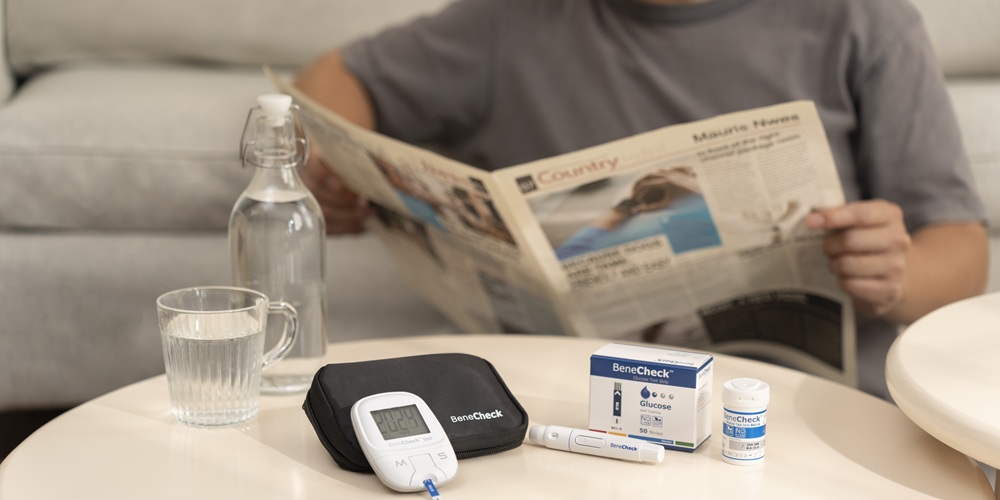
Every year, when people receive their health check reports, seeing red marks on fasting blood glucose or HbA1c levels, they often feel worried and start to wonder if they have diabetes. This article will cover everything from the definition of prediabetes and common signs to daily dietary adjustments and home blood glucose management, helping you better understand your blood sugar levels and find the right direction for adjustment.
〈Extended Reading: Diabetes Symptoms & Causes of Diabetes: Early Signs, Causes, and Prevention Guide〉
What is prediabetes?
Prediabetes refers to blood glucose levels that are higher than the normal range but have not yet reached the diagnostic criteria for type 2 diabetes, representing a transitional stage between normal blood sugar levels and diabetes. It indicates that the body's metabolism is starting to lose balance, and cell sensitivity to insulin is decreasing, leading to insulin resistance.
Although not yet formally diagnosed as diabetes, if diet is not improved, exercise habits are not established, or weight is not controlled over the long term, the probability of progressing to type 2 diabetes in the coming years will increase, along with a potential rise in cardiovascular disease risk. However, prediabetes is still a reversible stage; if lifestyle adjustments are made early and combined with medical evaluation and treatment, if necessary, most people's blood glucose can return to a more stable state.
〈Extended Reading: What Is Diabetes? From Symptoms to Blood Glucose Control〉
〈Extended Reading: What Are the Heart Attack Symptoms? Learn the Causes, Signs, and First Aid Steps!〉
What Causes Prediabetes? It Develops Gradually Over Time
Prediabetes is usually not caused by a single factor but is the result of long-term accumulation of multiple factors, closely related to family genetics and lifestyle habits. Factors such as being overweight, abdominal fat accumulation, or long-term physical inactivity will increase the metabolic burden. Additionally, after the age of 45, the body's ability to regulate blood glucose may not be as good as before, and the risk will increase accordingly.
In addition to lifestyle, dietary habits also affect blood glucose stability, such as a long-term preference for high-sugar diets, processed meats, or excessive red meat intake. People who have had gestational diabetes, polycystic ovary syndrome, or are accompanied by sleep apnea or smoking habits, are also considered high-risk individuals.
〈Extended Reading: What Happens When Ketone Levels Are High? Understanding DKA Symptoms and Daily Monitoring〉
Prediabetes Symptoms Are Often Overlooked; 90% of people only find out during health checks
Prediabetes mostly has no obvious symptoms, and problems are only discovered when abnormal values are seen during health checks. Because the changes are not obvious, more than 90% of people do not know they are in this stage. However, the body may still show some slight changes that are worth paying special attention to:
- Darkened or Rough Skin: Dark or brownish patches on areas such as the neck, armpits, and elbows, known as acanthosis nigricans, which feels rough to the touch. This is a typical manifestation of insulin resistance and is closely related to prediabetes.
- Skin Tag Proliferation: Multiple small fleshy bumps appearing on the neck or upper chest and back. They are usually painless, but a significant increase in number may be related to high blood sugar or insulin resistance.
- Easily Fatigued / Post-meal Drowsiness: Cells cannot effectively utilize glucose, leading to a lack of energy in the body. People may feel especially sleepy, dizzy, or weak after eating.
- Abnormal Excessive Sweating: Profuse sweating, especially after meals or light activity, which is related to autonomic nervous system dysfunction.
- Frequent Gum Inflammation: Gums are prone to redness, swelling, and bleeding, or recurrent oral infections, which are related to poor blood sugar control.
How Can You Tell If You Have Prediabetes?
To find out if you have prediabetes, the most accurate method is to check blood sugar levels through a blood test. Clinically, assessments are made based on several key indicators. If the values fall between normal and diabetes, they may be classified within the range of prediabetes.
〈Extended Reading: What Are Normal Blood Sugar Levels in 2026? Learn About High/Low Blood Sugar Symptoms & the Importance of Testing!〉
〈Extended Reading: Understand blood sugar tests, identify potential causes, and learn how to monitor your blood sugar correctly!〉
How Is Prediabetes Diagnosed? A Look at Blood Sugar Standards
| Test Item | Normal Value | Prediabetes | Diabetes Diagnostic Criteria |
|---|---|---|---|
| Fasting Plasma Glucose (FPG) | <100 mg/dL | 100–125 mg/dL | ≧ 126 mg/dL |
| Glycated Hemoglobin (HbA1c) | < 5.7% | 5.7%–6.4% | ≧ 6.5% |
| 2-Hour Postprandial Blood Glucose (OGTT) | <140 mg/dL | 140–199 mg/dL | ≧ 200 mg/dL |
How Can You Manage Prediabetes? Start With These 4 Lifestyle Changes
Dietary Approach
For a prediabetes-friendly diet, it is recommended to reduce refined starches and sugary drinks. Staple foods can be gradually replaced with brown rice, oats, or whole grains such as beans, while increasing the proportion of vegetable intake. The order of eating can also be slightly adjusted: eat vegetables first, then protein, and finally starch, which helps stabilize blood sugar. Choose steaming or boiling as cooking methods and develop regular mealtimes to avoid overeating.
Exercise Strategy
The main purpose of exercise is to improve insulin resistance and make blood sugar more stable. It is recommended to get at least 150 minutes of moderate-intensity aerobic exercise per week, such as brisk walking and cycling. In addition, combining this with 2 to 3 sessions per week of strength training helps increase muscle mass and helps metabolism become more stable.
Weight Control
People with excess body weight and more abdominal fat belong to the high-risk group for prediabetes. It is recommended to first aim for a weight loss of 5% to 7%, achieved gradually through dietary adjustments and regular exercise. In addition to the number on the scale, you can also pay more attention to changes in waist circumference, as the link between abdominal fat and insulin resistance is more direct. If body weight can decrease steadily, blood sugar metabolism will also become more stable.
Lifestyle Adjustments
In addition to diet and exercise, daily routines also affect blood sugar stability. For example, maintaining regular sleep, reducing stress, avoiding smoking and excessive alcohol consumption all help reduce the body's metabolic burden. You should also try to avoid sitting for long periods and can improve this by walking more or increasing daily activity levels. Furthermore, it is also important to observe changes through regular health check-ups or blood sugar tracking; if the effect remains limited after a period of adjustment, it is recommended to further consult a physician for evaluation.
How to control prediabetes? Home monitoring and medical follow-up are both indispensable
Home Blood Sugar Monitoring and Regular Follow-up
In addition to regular blood tests at the hospital, monitoring blood sugar at home allows for real-time understanding of the impact of diet and lifestyle on blood sugar. The blood sugar monitoring system launched by General Life Biotechnology features hematocrit correction technology, which can reduce the interference of red blood cell values in the blood on the test and improve measurement accuracy. In addition, the automatic strip ejection design and simple operation process make it easy for middle-aged and elderly groups to use, allowing them to effectively manage daily blood sugar at home.
〈Recommended Products: Diabetes Care Monitoring System〉
〈Extended Reading: Diabetes Kit Preparation : A Complete List of Emergency Essentials and Daily Monitoring Tips〉
〈Extended Reading: High Cholesterol Danger? Learn the Normal Levels, Testing, and How to Lower It!〉
Medical Intervention and Timing of Medication
Lifestyle adjustment is the priority for prediabetes, but if blood sugar is already significantly abnormal and combined with abdominal obesity, hypertension, or dyslipidemia, it may mean that you have entered the metabolic syndrome stage. Currently, it is recommended to seek medical attention early for a physician to evaluate whether further treatment or medication intervention is needed to reduce the risk of subsequent development into diabetes.
Prediabetes FAQ
How long does it take for prediabetes to become diabetes?
According to research, without active lifestyle improvements, most patients with prediabetes will progress to type 2 diabetes within 3 to 5 years. However, the actual situation varies depending on each person’s health condition and lifestyle habits.
Can I still eat fruit if my blood sugar is high?
People with high blood sugar can still eat fruit, but the key lies in portion size and selection. It is generally recommended to consume a portion about the size of a fist each time. Try to choose whole fruits with higher dietary fiber; compared to fruit juice or processed fruit products, they are less likely to cause rapid fluctuations in blood sugar.
How often should prediabetes be monitored?
It is generally recommended to check fasting blood glucose and HbA1c at least once a year. If prediabetes has already been diagnosed, doctors will often shorten the follow-up frequency to every 3 to 6 months, depending on blood sugar levels and individual risk. Combined with home blood glucose monitoring, this allows for earlier detection of changes and adjustment of treatment directions.
〈Extended Reading: How to Use a Glucose Meter and Test Strips: Easily Manage Your Blood Sugar at Home!〉
Conclusion
Prediabetes is an important warning signal from the body, as well as a critical time to adjust lifestyle habits. Seeing red marks on a health check report does not require excessive nervousness; if improvements are made gradually through diet, exercise, and weight management, most people have the chance to return their blood sugar to stable levels and reduce the risk of developing diabetes. In terms of daily monitoring, changes can be more clearly understood through stable blood glucose data. General Life Biotechnology provides various diabetes care testing systems to help make daily health management more evidence-based. For more product information, please feel free to contact us.
References
Diabetes (WHO)
Prediabetes (Mayo Clinic)
Prediabetes (NIH)
What is prediabetes (Diabetes UK)
Insulin Resistance & Prediabetes (NIH)
Prediabetes – Your Chance to Prevent Type 2 Diabetes (CDC)
Do You Have Prediabetes? How to Tell & What You Can Do About It (Houston Methodist)
Five Things You Should Know About Prediabetes (ADA)
Prediabetes Doubles in Adolescents and Is a Key Risk for Older Adults (ADA)

一般生命バイオテクノロジー
私たちは、1999年以来コンパルグループの一員として誇り高く活動するGeneral Life Biotechnologyのエキスパートです。医療機器分野で20年以上の経験を持つ、バイオテクノロジー専門家、エンジニア、健康教育者からなる多様なチームは、家庭での健康検査を正確かつ手軽に行えるようにすることに尽力しています。
私たちは、ISO 13485、CE、TFDA、FDAの認証を取得し、世界中で信頼されているBeneCheckおよびSANcheckシステムの開発元です。
このブログでは、複雑な医療データを分かりやすく解説し、実践的なアドバイスを提供しています。糖尿病の管理、コレステロール値のモニタリング、ペットの健康チェックなど、どのような場合でも、自信を持って数値を追跡するために必要な専門知識を提供します。私たちの使命は、テクノロジーを活用して、あなたとあなたのペットがより健康で幸せな生活を送れるよう支援することです。
専門分野:
慢性疾患管理
体外診断(IVD)技術とイノベーション
在宅健康モニタリング
獣医予防医学
当社の基準:
ISO 13485認証取得
GMP準拠