
ARTIKEL
Kehidupan yang sehat dimulai dengan pemeriksaan rutin.
- Rumah
- Artikel
- Badan keton
- Apa yang Terjadi Saat Kadar Keton Tinggi? Memahami Gejala DKA dan Pemantauan Harian
Apa yang Terjadi Saat Kadar Keton Tinggi? Memahami Gejala DKA dan Pemantauan Harian
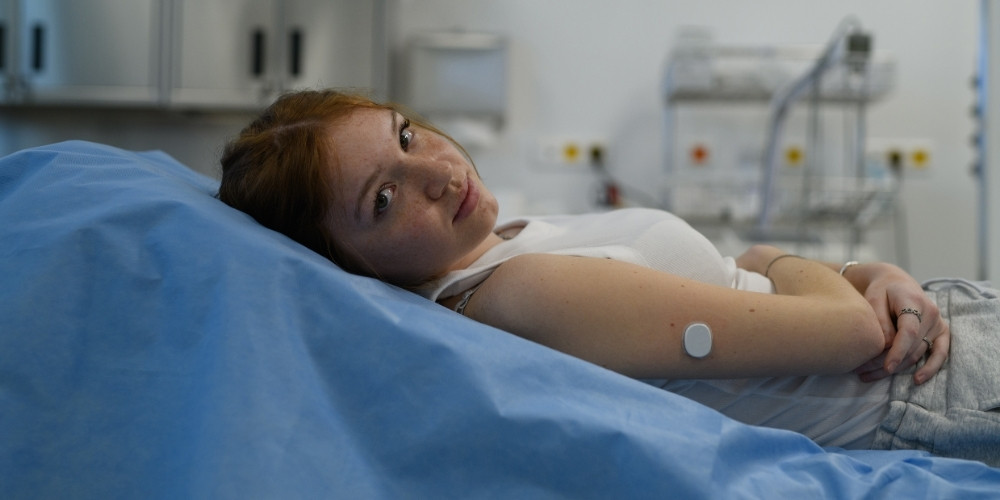
Ketoasidosis Diabetik (DKA) adalah salah satu komplikasi akut diabetes yang paling parah. Kondisi ini terutama terjadi karena defisiensi insulin yang parah, yang mencegah tubuh menggunakan gula darah sebagai energi. Akibatnya, tubuh beralih ke pemecahan lemak sebagai sumber bahan bakar alternatif. Proses ini menghasilkan sejumlah besar "keton." Ketika keton ini menumpuk secara berlebihan, darah menjadi terlalu asam, yang menyebabkan kondisi toksik yang dikenal sebagai ketoasidosis. Artikel ini akan memandu Anda melalui gejala awal dan penyebab DKA, serta metode pencegahan dan pemantauan di rumah yang paling penting.
Apa itu Ketoasidosis Diabetik?
Dalam kondisi normal, tubuh menggunakan insulin untuk mengangkut glukosa dari aliran darah ke dalam sel, mengubahnya menjadi energi yang dibutuhkan untuk kehidupan sehari-hari. Namun, ketika sekresi insulin tidak mencukupi atau tubuh tidak dapat menggunakannya secara efektif, sel-sel memasuki "kondisi kelaparan." Tubuh kemudian mulai memecah lemak untuk mendapatkan energi, dan produk sampingan dari metabolisme lemak ini adalah keton. Meskipun sejumlah kecil keton dapat dimetabolisme oleh tubuh, jika diproduksi terlalu cepat, keton akan menumpuk dalam darah dan menyebabkan DKA (ketoasidosis diabetik).
〈Bacaan Lebih Lanjut: Kadar Glukosa Darah Normal: Gejala Utama dan Mengapa Tes Penting 〉
6 Tanda Peringatan DKA: Dari Gejala Awal hingga Tanda Bahaya Kritis
Ketoasidosis diabetik (DKA) dapat memengaruhi berbagai sistem di seluruh tubuh, dengan gejala yang berkisar dari ringan hingga berat. Untuk memastikan deteksi dini dan respons yang efektif, panduan berikut akan memandu Anda melalui enam gejala utama DKA. Ini akan membantu Anda dengan cepat menilai kesehatan Anda sendiri atau anggota keluarga Anda, memungkinkan Anda untuk membedakan antara tanda peringatan dini dan tanda bahaya kritis sehingga Anda tidak pernah melewatkan kesempatan penting untuk mendapatkan perawatan medis.
Gejala DKA 1: Rasa Haus dan Buang Air Kecil yang Tidak Normal
Ketika kadar gula darah dan keton melonjak, ginjal berusaha mengeluarkan kelebihan gula dan keton melalui urin, yang menyebabkan sering buang air kecil (poliuria) dan kehilangan cairan yang signifikan. Akibatnya, pasien mengalami rasa haus yang ekstrem yang tidak dapat dipuaskan bahkan dengan asupan air yang terus menerus. Ini adalah tanda peringatan dini yang penting dari ketoasidosis.
Gejala DKA 2: Kelemahan dan Kelelahan Umum
Ketika tubuh kekurangan insulin, glukosa tidak dapat masuk ke dalam sel untuk diubah menjadi energi, sehingga sel-sel berada dalam keadaan kelaparan. Meskipun darah jenuh dengan gula, tubuh tidak dapat memanfaatkannya dan terpaksa membakar lemak sebagai gantinya. Akibatnya, DKA stadium awal menyebabkan kelelahan parah, kelemahan umum, dan perasaan berat di anggota tubuh yang tidak dapat diatasi dengan istirahat.
Gejala DKA 3: Ketidaknyamanan Pencernaan
Penumpukan keton mengganggu keseimbangan pH darah, yang secara langsung mengiritasi saluran pencernaan. Pasien dapat menderita mual, muntah, kehilangan nafsu makan, dan nyeri perut. Gejala-gejala ini sering disalahartikan sebagai gastroenteritis biasa; namun, jika pasien diabetes mengalami nyeri perut atau muntah yang tidak dapat dijelaskan, mereka harus tetap waspada, karena kemungkinan besar itu adalah tanda DKA (ketoasidosis diabetik).
Gejala DKA 4: Perubahan Pernapasan
Dalam upaya untuk mengeluarkan kelebihan zat asam, tubuh meningkatkan laju pernapasan untuk mengeluarkan karbon dioksida (dikenal sebagai pernapasan Kussmaul). Tanda yang sangat khas dari DKA adalah bau "buah" atau "apel busuk" yang khas pada napas pasien.
Gejala DKA 5: Gejala Kardiovaskular
Kadar gula darah dan keton yang tinggi menyebabkan sering buang air kecil, yang mengakibatkan tubuh kehilangan banyak air dan elektrolit. Dehidrasi dan ketidakseimbangan elektrolit ini dapat menyebabkan detak jantung cepat, tekanan darah rendah, pusing, atau sesak dada. Pasien mungkin merasakan palpitasi saat beraktivitas, yang menunjukkan bahwa tubuh menjadi sangat tidak stabil karena DKA memburuk.
Gejala DKA 6: Gejala Neurologis
Ketoasidosis memengaruhi fungsi otak dan dapat merusak sistem saraf, menyebabkan gejala seperti konsentrasi buruk, respons lambat, kebingungan, atau bahkan koma. Jika pasien menjadi disorientasi atau tidak dapat berkomunikasi secara normal, hal itu menunjukkan bahwa DKA telah mencapai stadium parah, dan diperlukan perhatian medis segera untuk menghindari penundaan pengobatan yang menyelamatkan jiwa.
Apa Penyebab Ketoasidosis? Mari Kita Lihat 5 Pemicu Utamanya!
Ketoasidosis biasanya merupakan fenomena yang disebabkan oleh kombinasi beberapa faktor. Di bawah ini, kami telah mengumpulkan lima pemicu umum ketoasidosis untuk membantu Anda memahami situasi mana yang memerlukan perhatian ekstra.
Penyebab Ketoasidosis 1: Penggunaan Insulin yang Tidak Cukup atau Tidak Tepat
Bagi pasien diabetes, melewatkan suntikan, mengurangi dosis sendiri, atau menggunakan insulin yang telah kehilangan efektivitasnya karena penyimpanan yang tidak tepat (seperti terlalu panas atau kedaluwarsa) menyebabkan defisiensi insulin. Ketika tubuh kekurangan insulin, glukosa tidak dapat masuk ke dalam sel. Untuk mendapatkan energi, tubuh terpaksa membakar sejumlah besar lemak, dengan cepat menghasilkan keton dan menyebabkan ketoasidosis.
〈Bacaan Lebih Lanjut: Asam Urat Tinggi? Tips Cepat tentang Gejala dan Solusi Efektif! 〉
Penyebab Ketoasidosis 2: Dipicu oleh Infeksi atau Penyakit
Jika Anda mengalami gejala infeksi seperti demam, pneumonia, atau infeksi saluran kemih, atau menderita penyakit akut seperti penyakit jantung, stroke, atau pankreatitis, tubuh Anda akan mengeluarkan hormon stres seperti adrenalin dan kortisol untuk melawan penyakit tersebut. Hormon-hormon ini melawan efek insulin, sehingga kadar gula darah sulit dikendalikan.
〈Bacaan Lebih Lanjut: Tes Asam Urat yang Mudah Dipahami: Cegah Asam Urat Sejak Dini 〉
Penyebab Ketoasidosis 3: Pola Makan dan Kebiasaan Gaya Hidup
Puasa berkepanjangan atau diet rendah karbohidrat ekstrem secara signifikan mengurangi asupan karbohidrat dan meningkatkan hormon pengatur kontra insulin. Demikian pula, makan berlebihan atau konsumsi alkohol yang berlebihan dapat menyebabkan tubuh memecah lemak secara berlebihan, menghasilkan keton. Selain itu, asupan air yang tidak mencukupi meningkatkan beban metabolisme pada tubuh, yang keduanya merupakan pemicu umum ketoasidosis.
〈Bacaan Lebih Lanjut: Panduan Anemia: Gejala, Penyebab, dan Cara Mengelola Kadar Hemoglobin Anda 〉
Penyebab Ketoasidosis 4: Penggunaan Obat-obatan Tertentu
Obat-obatan tertentu, seperti steroid, diuretik, atau penghambat SGLT2 (obat penurun glukosa oral), dapat memengaruhi cara kerja insulin atau mengubah cara glukosa dikeluarkan, sehingga meningkatkan kemungkinan produksi keton. Khususnya dengan penghambat SGLT2, kadar keton dapat meningkat secara abnormal meskipun kadar gula darah tidak terlalu tinggi (atau bahkan normal). Oleh karena itu, pemantauan intensif terhadap parameter tubuh sangat penting untuk mencegah ketoasidosis.
Penyebab Ketoasidosis 5: Stres dan Trauma Fisik/Mental
Ketika tubuh manusia menghadapi stres berat, operasi, trauma fisik, atau trauma psikologis, hormon stres akan meningkat. Karena hormon-hormon ini melawan kerja insulin, gula darah menjadi jauh lebih sulit dikendalikan, sehingga meningkatkan kemungkinan terjadinya ketoasidosis. Pasien dalam situasi ini harus memantau perubahan gula darah mereka dengan lebih cermat.
Siapa yang Berisiko Tinggi Terkena Ketoasidosis? 4 Kelompok Ini Perlu Waspada!
Kelompok populasi tertentu lebih rentan terhadap ketoasidosis dibandingkan masyarakat umum karena kebutuhan insulin yang lebih tinggi atau kemampuan metabolisme yang lebih lemah. Di bawah ini, kami memperkenalkan empat kelompok berisiko tinggi untuk membantu Anda memahami kondisi ini secara detail.
Kelompok Berisiko Tinggi 1: Individu dengan Diabetes
Pasien dengan diabetes tipe 1 berisiko tinggi mengalami ketoasidosis karena tubuh mereka secara alami kekurangan insulin; kegagalan untuk menerima suntikan insulin secara teratur dapat menyebabkan Ketoasidosis Diabetik (DKA). Sementara individu dengan diabetes tipe 2 memiliki sekresi insulin yang lebih baik, mereka tetap menghadapi risiko ketoasidosis ketika kerja insulin tidak mencukupi atau ketika kadar gula darah berfluktuasi secara drastis.
Kelompok Berisiko Tinggi 2: Wanita Hamil
Wanita hamil rentan terhadap ketoasidosis selama kehamilan. Untuk menyediakan energi yang cukup bagi janin yang sedang berkembang, plasenta tumbuh, hormon terus disekresikan, dan berat badan meningkat, yang menyebabkan peningkatan gula darah dan peningkatan kebutuhan akan regulasi insulin. Selain itu, alkalosis pernapasan fisiologis selama kehamilan menyebabkan tubuh mengeluarkan bikarbonat, mengurangi kemampuannya untuk menyeimbangkan asidemia. Hal ini mempermudah terjadinya ketidakseimbangan antara insulin dan hormon pengatur kontra, yang pada akhirnya memicu ketoasidosis.
Kelompok Risiko Tinggi 3: Pasien yang Menggunakan Inhibitor SGLT2
Inhibitor SGLT2 menurunkan kadar gula darah dengan mengeluarkan glukosa melalui urin, yang juga mengurangi sekresi insulin. Ketika kadar insulin turun, tubuh tidak dapat menggunakan glukosa secara efektif untuk energi dan beralih ke pemecahan lemak sebagai gantinya, suatu proses yang menghasilkan sejumlah besar keton. Obat-obatan ini juga secara langsung merangsang sel alfa pankreas untuk mensekresikan glukagon, meningkatkan produksi keton. Selain itu, efek diuretik osmotik dapat menyebabkan volume vaskular yang tidak mencukupi; faktor-faktor gabungan ini dapat dengan mudah memicu ketoasidosis.
〈Bacaan Lebih Lanjut: Memahami Asam Urat: Gejala, Penyebab, Tips Diet, dan Strategi Pencegahan 〉
Kelompok Risiko Tinggi 4: Pasien dengan Penyakit Hati Kronis atau Penyakit Penyimpanan Glikogen
Hati bertanggung jawab untuk mengatur metabolisme glukosa dan lemak. Ketika fungsi hati terganggu, pasien tidak dapat mengubah gula darah menjadi glikogen untuk disimpan, sehingga mengakibatkan kadar gula darah tetap tinggi. Dengan adanya defisiensi insulin relatif, tubuh tidak dapat memanfaatkan kelebihan gula ini secara efektif dan harus memecah lemak untuk energi, yang seringkali menyebabkan ketoasidosis.
〈Bacaan Lebih Lanjut: Merasa Pusing dan Lelah? Tes Mandiri Mempermudah Penanganan Anemia! 〉
Bagaimana Cara Mencegah Ketoasidosis Diabetik (DKA)? Hidrasi dan Pemeriksaan Glukosa Sangat Penting!
Saat Anda menyadari gejala ketoasidosis, prioritas utama adalah menjaga tubuh tetap terhidrasi dan mengukur kadar glukosa darah dan keton untuk menentukan apakah intervensi medis diperlukan. Anda harus mengambil tindakan berdasarkan hasil tes Anda. Jika Anda mengalami gejala parah seperti gula darah tinggi terus-menerus, mual, sakit perut, sesak napas, atau demam berkepanjangan, segera cari pertolongan medis untuk menghindari penundaan pengobatan yang penting.
- Kadar glukosa darah di atas 15 mmol/L: Lakukan tes urine atau darah untuk mendeteksi keton. Jika ditemukan keton, segera konsultasikan ke dokter.
- Kadar glukosa darah di atas 25 mmol/L: Segera cari pertolongan medis darurat.
- Kadar keton urin yang terus-menerus 3+ hingga 4+, atau kadar keton darah yang tinggi: Segera cari pertolongan medis.
〈Bacaan Lebih Lanjut: Cara Menggunakan Alat Pengukur Glukosa dan Strip Tes: Kelola Gula Darah Anda dengan Mudah di Rumah! 〉
Bagaimana Cara Mencegah Ketoasidosis? Lakukan 3 Hal Ini untuk Menurunkan Risiko Anda!
Mencegah ketoasidosis bergantung pada menstabilkan dan memantau kadar glukosa darah secara teratur. Berikut tiga tips penting untuk pencegahan sehari-hari yang dapat membantu Anda menyesuaikan kebiasaan gaya hidup.
Jaga tubuh tetap terhidrasi setiap saat.
Air membantu mengencerkan keton dalam aliran darah dan menjaga sirkulasi yang sehat, mencegah tekanan metabolisme yang disebabkan oleh dehidrasi. Dianjurkan untuk minum setidaknya 2.000cc hingga 2.500cc air setiap hari. Membawa botol air sebagai pengingat untuk minum air secara teratur dapat secara signifikan mengurangi risiko ketoasidosis.
〈Bacaan Lebih Lanjut: Bahaya Kolesterol Tinggi? Pelajari Kadar Normal, Tes, dan Cara Menurunkannya! 〉
Pasien Diabetes Tidak Boleh Menghentikan Penggunaan Insulin Tanpa Konsultasi
Bagi pasien diabetes, menghentikan atau mengurangi pengobatan sendiri secara langsung mengganggu keseimbangan metabolisme. Bahkan jika Anda mengalami nafsu makan yang buruk, Anda harus tetap mengonsumsi obat yang diresepkan dan jangan pernah melakukan penyesuaian sendiri. Setiap perubahan dosis harus didiskusikan terlebih dahulu dengan dokter. Gunakan obat penurun gula darah atau suntikan insulin sesuai jadwal untuk mencegah kadar glukosa dan keton yang tidak terkontrol menyebabkan DKA (ketoasidosis diabetik).
Ukur kadar glukosa darah atau keton darah setiap 2–4 jam.
Memantau nilai-nilai Anda secara teratur memungkinkan Anda untuk selalu memantau kesehatan internal Anda. Terutama ketika Anda sakit atau merasa tidak enak badan, disarankan untuk mengukur glukosa darah dan keton setiap 2–4 jam untuk memantau perubahan dan bereaksi dengan cepat. Untuk pengelolaan di rumah yang nyaman, General Life Biotechnology menawarkan Sistem Pemantauan Glukosa Darah & β-keton (BHB) BeneCheck Knight. Perangkat tunggal ini dapat secara bersamaan menguji glukosa darah dan keton darah. Teknologi koreksi Hematokrit (Hct) meningkatkan akurasi, sementara tampilan yang besar dan perhitungan GKI (Indeks Glukosa-Keton) otomatis memungkinkan Anda untuk mendapatkan data kesehatan tingkat profesional dengan mudah di rumah, mengurangi kecemasan melalui kontrol yang terinformasi.
〈Rekomendasi Produk: Sistem Pemantauan Glukosa Darah & β-keton (BHB) BeneCheck Knight 〉
〈Bacaan Lebih Lanjut: Apa itu Regulasi Diagnostik In Vitro (IVDR)? Pengujian Kesehatan yang Lebih Aman dan Andal 〉
Jangan Pernah Abaikan Ketoasidosis—Kuasai Kadar Glukosa dan Keton Anda Setiap Hari!
Ketoasidosis adalah komplikasi akut yang serius, tetapi risikonya dapat dikurangi secara signifikan dengan mengenali gejalanya, memahami penyebabnya, dan menjaga manajemen harian. Pemantauan rutin kadar glukosa darah dan keton merupakan langkah penting dalam menjaga kesehatan Anda. Jika Anda mencari cara yang lebih praktis untuk melacak metrik kesehatan Anda, Sistem Pemantauan Glukosa Darah & β-keton (BHB) BeneCheck Knight dari General Life Biotechnology memungkinkan Anda untuk memantau glukosa dan keton sekaligus. Tetap terinformasi tentang status kesehatan Anda —hubungi kami hari ini.
〈Bacaan Lebih Lanjut: Cara Menggunakan Alat Pengukur Keton Darah dengan Benar: Penjelasan Mendalam tentang Pengujian Keton! 〉
Referensi
〈參考來源: 糖尿病酮酸中毒|酮酸血症的症狀、原因與治療〉
〈參考來源: 【酮酸中毒】一文拆解糖尿病酮酸中毒的原因、症狀、治療及預防方法〉
〈參考來源:正常血糖值的糖尿病酮酸中毒症〉

Bioteknologi Kehidupan Umum
Kami adalah para ahli di balik General Life Biotechnology, anggota terhormat dari Compal Group sejak tahun 1999. Dengan pengalaman lebih dari 20 tahun di bidang perangkat medis, tim kami yang beragam terdiri dari spesialis bioteknologi, insinyur, dan pendidik kesehatan yang berkomitmen untuk membuat pengujian kesehatan di rumah akurat dan mudah diakses.
Kami adalah pencipta sistem BeneCheck dan SANcheck, yang dipercaya secara global dengan persetujuan ISO 13485, CE, TFDA, dan FDA.
Di blog kami, kami menerjemahkan data medis yang kompleks menjadi saran praktis. Baik Anda mengelola diabetes, memantau kolesterol, atau memeriksa kesehatan hewan peliharaan Anda, kami menyediakan pengetahuan profesional yang Anda butuhkan untuk melacak angka-angka Anda dengan percaya diri. Misi kami adalah menggunakan teknologi kami untuk membantu Anda—dan hewan peliharaan Anda—menjalani hidup yang lebih sehat dan bahagia.
Bidang Keahlian:
Manajemen Penyakit Kronis
Teknologi & Inovasi IVD
Pemantauan Kesehatan di Rumah
Kedokteran Hewan Pencegahan
Standar Kami:
Bersertifikat ISO 13485
Sesuai dengan GMP